
:watermark(https://f.pmo.ee//logos/4132/d583334e07b643b158b745b655f05032.png,-2p,-2p,0,18,none):format(webp)/nginx/o/2026/05/06/17614617t1h1c71.jpg "Marco Rubio Warns of Escalating War Risks Amid Ukraine Long-Range Strikes")
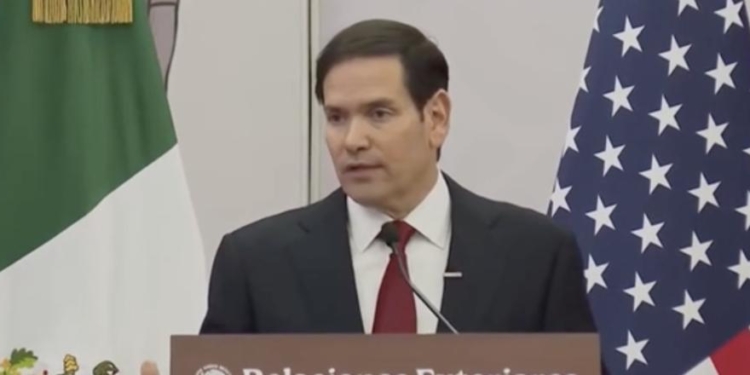
Marco Rubio Warns of Escalating War Risks Amid Ukraine Long-Range Strikes
The Escalation Paradox: Why the Ukraine Conflict is Entering a High-Stakes Phase
The geopolitical landscape of the Russia-Ukraine war is shifting. Recent statements from U.S. Secretary of State Marco Rubio highlight a sobering reality: as Ukraine’s deep-strike capabilities grow, the threshold for escalation has reached its highest point since the conflict’s inception.
For observers of global security, the message is clear. We are moving away from a static front-line war toward a more volatile theater where technology and long-range precision are redefining the rules of engagement.
The “Prioritized Ukrainian Requirements List” (PURL) is a critical mechanism allowing European nations to leverage U.S. Manufacturing capacity, ensuring that defense support remains consistent even amidst fluctuating domestic political climates.
The Reality of “Non-Neutral” Diplomacy
Secretary Rubio’s candid admission—that the United States is not a neutral arbiter—marks a departure from traditional diplomatic rhetoric. By explicitly acknowledging the supply of weaponry and the enforcement of sanctions against Russia, the U.S. Is signaling a long-term commitment that transcends mere mediation.
Strategic Implications for Global Defense
This “non-neutral” stance shifts the burden of peace negotiations. If the primary arms supplier is also a partisan stakeholder, the path to a ceasefire becomes inherently linked to the security guarantees provided by Western allies. This creates a complex incentive structure where:
- Stalemate vs. Compromise: Neither side currently views a concession as a strategic victory, leading to a prolonged war of attrition.
- The Escalation Trap: As Ukraine gains the ability to strike deeper into Russian territory, the risk of miscalculation increases, necessitating a delicate balance between supporting sovereignty and preventing a broader NATO-Russia confrontation.
Technological Warfare: The New Frontier
The effectiveness of Ukraine’s long-range strikes is not just a tactical success; it is a signal of a broader trend in modern warfare. The integration of drones, advanced satellite intelligence, and Western-supplied munitions has effectively shrunk the distance between the front line and the aggressor’s infrastructure.
Navigating the Path to Peace
Rubio’s emphasis on the necessity of “concessions” for peace underscores a difficult truth: modern wars rarely end with a total surrender. History suggests that long-term stability often requires a negotiated settlement that addresses the security concerns of all regional actors. However, as long as both Moscow and Kyiv maintain their current maximalist objectives, the diplomatic horizon remains foggy.
Frequently Asked Questions
- What is the PURL program?
- PURL stands for “Prioritized Ukrainian Requirements List.” It allows European countries to purchase U.S.-made weapons for Ukraine, streamlining the logistics of international military aid.
- Why does the U.S. Define itself as a non-neutral party?
- The U.S. Provides direct military aid, intelligence, and financial sanctions against Russia, which are actions inconsistent with the role of a neutral mediator.
- What is the primary risk of long-range strikes?
- The primary risk is uncontrolled escalation, where deep-strikes trigger a disproportionate response, potentially widening the conflict beyond Ukraine’s borders.
What are your thoughts on the future of the conflict? Do you believe a diplomatic breakthrough is possible before the year ends? Join the conversation in the comments below or subscribe to our weekly intelligence briefing for in-depth analysis of global defense trends.