
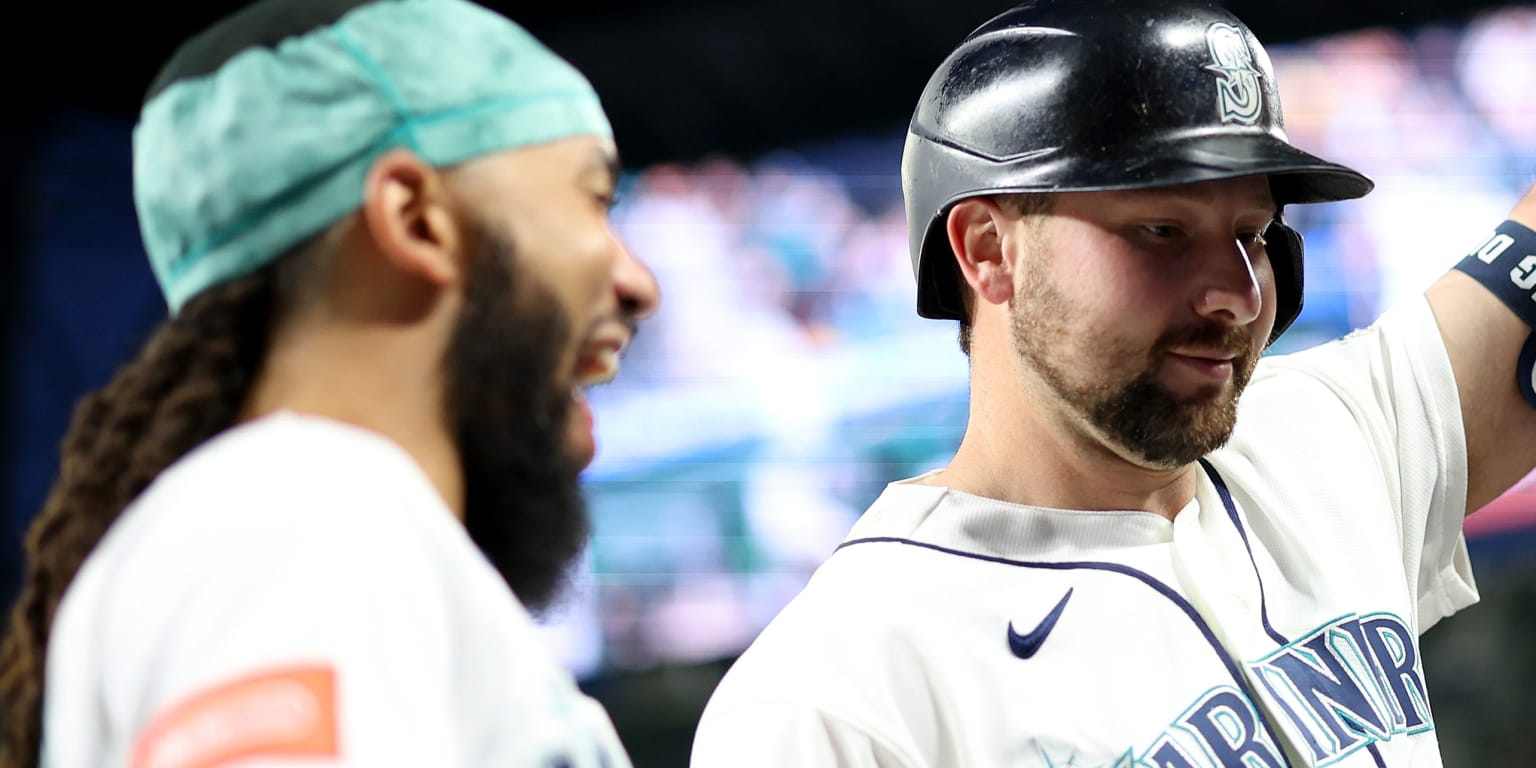
Mariners Activate Cal Raleigh and J.P. Crawford From Injured List
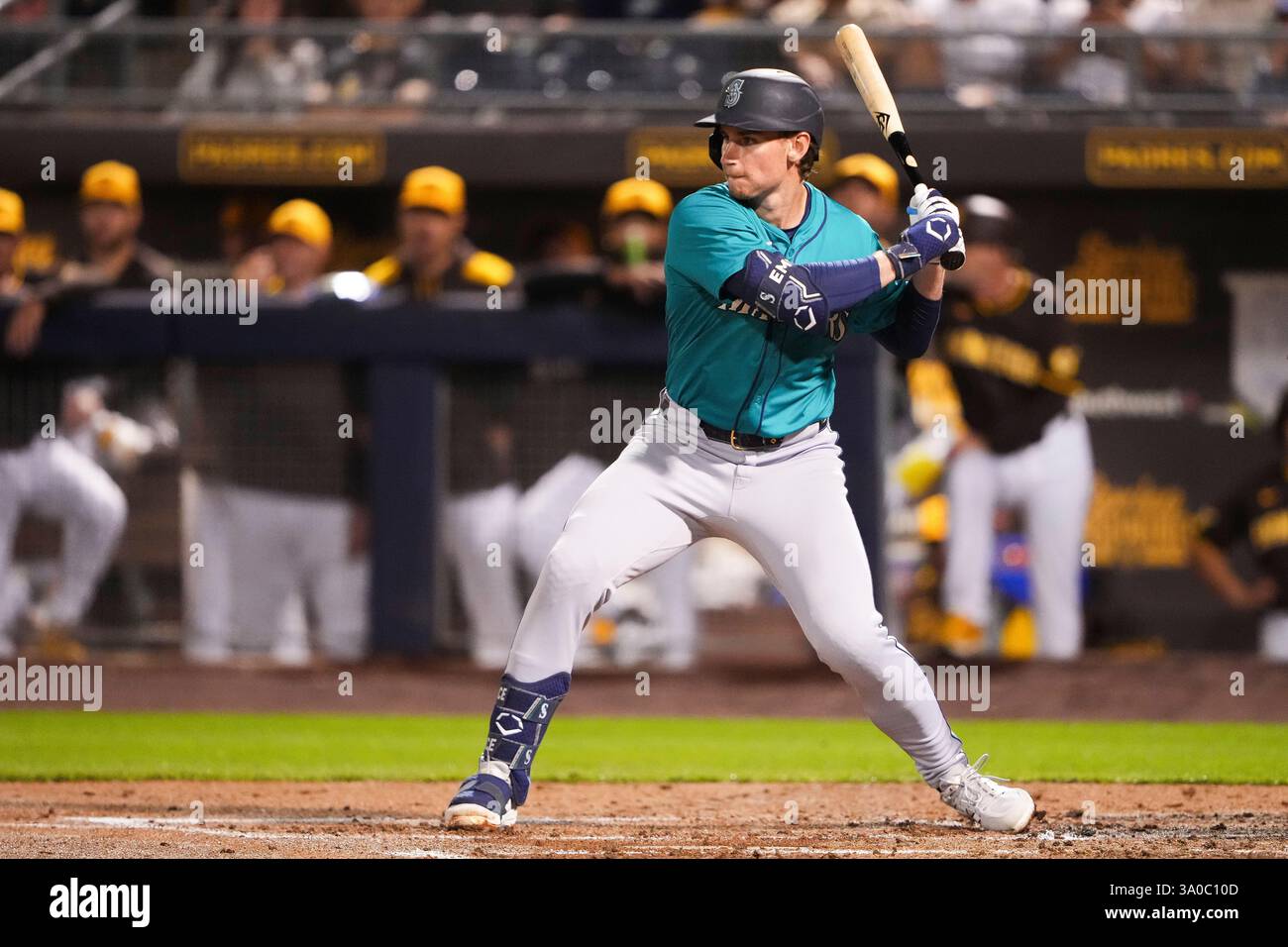
The Seattle Mariners reactivated catcher Cal Raleigh and infielder J.P. Crawford from the injured list on Tuesday, according to team reports. While Raleigh returns from an oblique strain, Crawford will shift from shortstop to second base to accommodate rookie Colt Emerson, a move driven by Statcast defensive metrics.
Why is J.P. Crawford moving to second base?
The Seattle Mariners are moving 31-year-old J.P. Crawford to second base because his defensive efficiency at shortstop has declined. Statcast data places Crawford’s Career Defensive Runs Saved (DRS) or similar value metrics in a slump; specifically, his Outs Above Average (OAA) mark is tied for the third worst among 62 qualified shortstops at minus-six.
Arm strength is another factor. Statcast reports Crawford’s arm strength is in the 20th percentile, with his fastest throws averaging 79 mph. This decline makes the transition to second base—a position he hasn’t played since his tenure with the Philadelphia Phillies—a strategic necessity to maintain team defense.
How does Cal Raleigh’s return impact the lineup?
Cal Raleigh returns to the active roster after a dominant rehab assignment. According to team statistics, Raleigh hit .412/.500/1.294 across five games with the Triple-A Tacoma Rainiers and Double-A Eugene, launching five home runs in that span. He had been sidelined since May 14 due to a right oblique strain.
Raleigh’s return forces roster adjustments. To make room for Raleigh and Crawford, the Mariners sent Patrick Wisdom and Jhonny Pereda to the minor leagues. This move signals a priority on returning veteran power and stability over depth pieces.
Comparing the Veteran vs. The Rookie
The decision to keep rookie Colt Emerson at shortstop instead of returning Crawford to the position highlights a shift in how MLB teams value youth and athleticism over veteran seniority.
| Metric | J.P. Crawford | Colt Emerson |
|---|---|---|
| Primary Role | Veteran/Utility | Rising Prospect |
| Defensive Trend | Declining (OAA -6) | Ascending/Fresh |
| Position | Moving to 2B | Holding SS |
What are the future trends in MLB roster management?
The Mariners’ handling of Crawford and Emerson reflects a broader trend in professional baseball: the “death” of the lifelong positional player. Teams now use Statcast data to move players the moment their physical metrics dip, regardless of their historical role.
We are seeing a rise in “positional fluidity.” When a veteran’s range decreases or arm strength fades, they are shifted to less demanding positions to preserve their offensive value. This prevents a “dead spot” in the defense while keeping the bat in the lineup.
FAQ: Understanding the Mariners’ Roster Moves
What is OAA in baseball?
Outs Above Average (OAA) is a Statcast metric that measures how many outs a fielder saves or costs their team compared to the league average, based on the distance they must travel to reach the ball.
Why did the Mariners send Patrick Wisdom to the minors?
Wisdom was designated for a minor league assignment to clear a roster spot for returning starters Cal Raleigh and J.P. Crawford.
Can a player change positions late in their career?
Yes. Many veterans move from shortstop to second base or third base as their lateral agility and arm strength decline, a trend exemplified by Crawford’s move to second base.
Do you think the Mariners are right to prioritize Colt Emerson’s defense over Crawford’s veteran presence at shortstop? Let us know in the comments or subscribe to our newsletter for more deep-dives into MLB analytics.