

Markets Eye New Fed Chair Kevin Warsh’s First Press Conference
Financial markets are bracing for a shift in U.S. monetary policy as Kevin Warsh prepares for his inaugural press conference as the head of the Federal Reserve. Following a two-day policy committee meeting, investors are scrutinizing whether Warsh will break from the 14-year tradition of the “dot plot” interest rate forecast. According to Mabrouk Chetouane, director of international market strategy at Natixis IM, these leadership transitions are inherently stressful for capital markets, requiring a delicate balance to avoid investor confusion.
How will Kevin Warsh’s leadership impact Fed policy?
Kevin Warsh, known for his hawkish stance, has previously criticized the Federal Reserve’s communication strategy. Analysts suggest he may move to abandon the “dot plot,” a graphical representation of expected interest rate paths that has served as a primary tool for market guidance for over a decade. While the Fed is widely expected to hold interest rates within the 3.5% to 3.75% range, the primary focus for global investors is the tone of Warsh’s first official address. Natixis IM’s Mabrouk Chetouane notes that Warsh faces an “exercise in equilibrium,” needing to signal a transition from predecessor Jerome Powell without triggering market volatility.
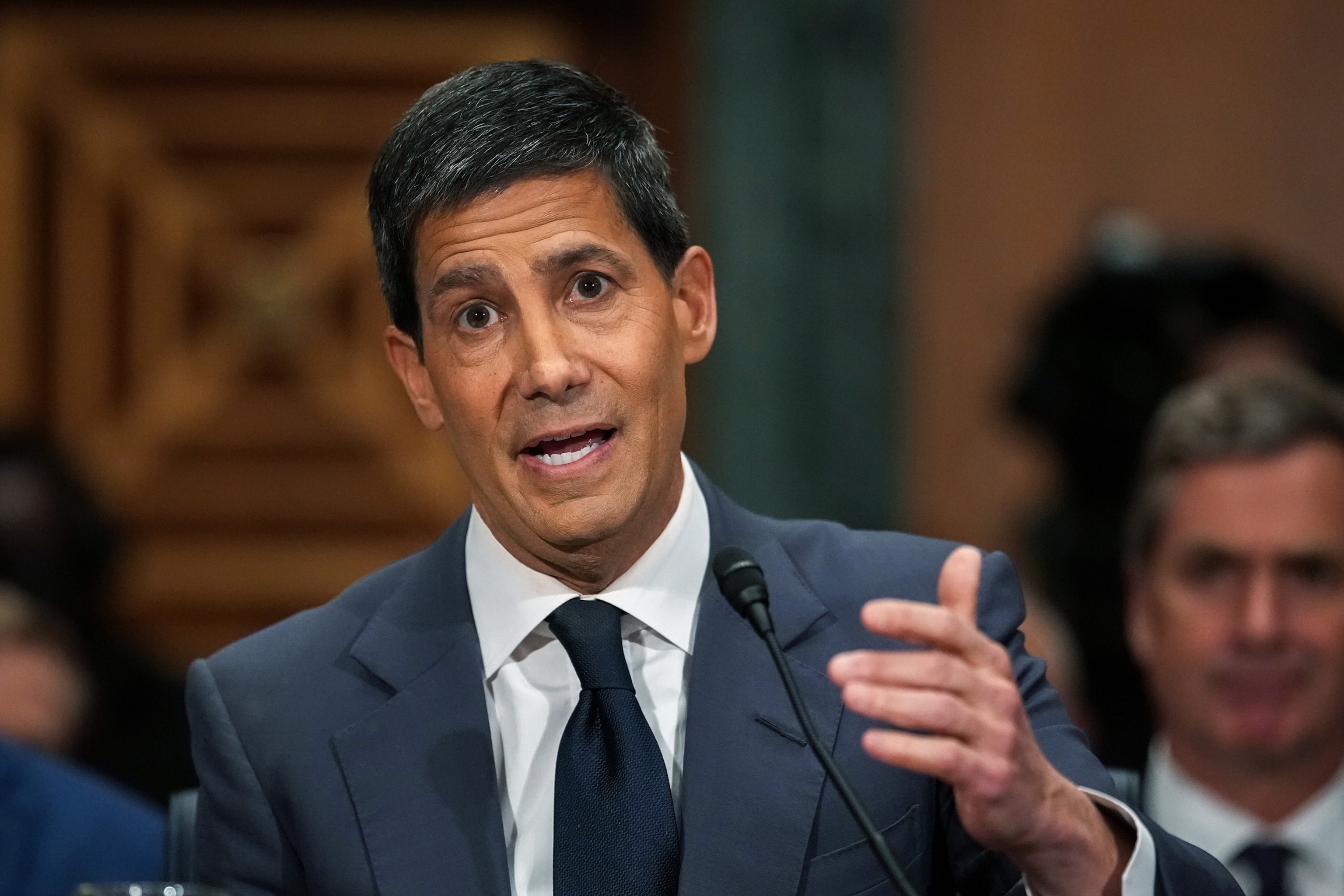
The “dot plot” was introduced by the Federal Reserve in 2012 to provide transparency regarding policymakers’ individual interest rate projections. Should Warsh discontinue its use, it would mark the most significant change in Fed transparency protocols in 14 years.
What is driving the recent volatility in global equities?
Equity markets have shown signs of caution as they await the Fed’s verdict. In Paris, the CAC 40 index closed down 0.2% at 8,430.79 points, despite moderate gains in Wall Street indices, which rose between 0.4% and 0.7%. Corporate performance has also pressured indices. BMW shares dropped 8.63% in Frankfurt after the automaker lowered its 2026 outlook, citing intensifying competition in the Chinese electric vehicle market and geopolitical tensions in the Middle East. Similarly, biotech firm Medincell saw its shares fall 12.06% following reports of widened losses for the 2025-2026 fiscal year, despite maintaining a net debt position of -15.3 million euros.

How are other central banks responding to current economic pressures?
The Federal Reserve is not the only institution navigating a complex economic landscape. The Swedish Riksbank maintained its main interest rate at 1.75%, though it signaled an increased probability of future rate hikes to combat persistent inflation. Meanwhile, the Bank of England (BoE) is scheduled to announce its own policy decision this Thursday. These moves follow a period where global economic data suggests a gradual improvement in the business cycle, even as Middle Eastern conflicts continue to exert inflationary pressure on commodity markets, including Brent crude, which is currently trading near 79 dollars per barrel.
When central banks undergo leadership changes, volatility often spikes in the short term. Investors are advised to focus on the “forward guidance” provided in official statements rather than just the immediate interest rate decision.
Frequently Asked Questions
- What is the “dot plot”? It is a chart used by the Federal Reserve to show where individual policymakers think interest rates will be in the future.
- Why is the market watching Kevin Warsh? As the new head of the Fed, his communication style and potential policy shifts—such as moving away from traditional forecasting tools—could redefine market expectations for borrowing costs.
- Why did BMW shares fall? The company cited a difficult market environment in China, increased competition in the EV sector, and the impact of geopolitical conflicts on its operations.
Stay informed on the latest shifts in global monetary policy and corporate performance by subscribing to our daily market newsletter. Share your thoughts on the Fed’s potential policy changes in the comments below.
