
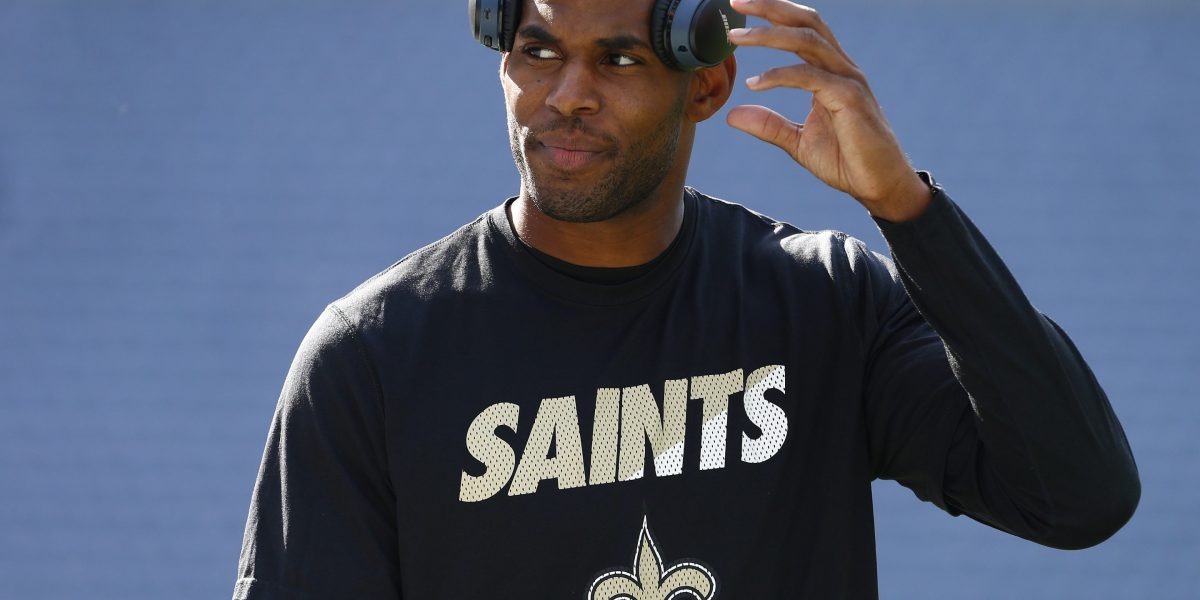
Marques Colston Launches Champion Fund to Let Fans Invest in Sports for $500
Former New Orleans Saints wide receiver Marques Colston and mixed martial artist Nick Edwards have launched the Champion Fund, an investment vehicle allowing retail investors to buy into professional sports assets for as little as $500. The fund provides exposure to teams, sports technology, and stadium real estate, marking a shift toward opening a traditionally billionaire-dominated asset class to the general public.
Did You Know? The sports industry has experienced significant financial growth, with the four major U.S. leagues now worth a combined $500 billion. Notably, 80 of the 100 most-watched U.S. broadcasts in 2024 were sporting events.
How the Champion Fund operates
The Champion Fund functions as an interval fund, a structure designed to hold illiquid assets that do not trade on public exchanges. According to the fund’s prospectus, assets are valued at “fair value” using estimates approved by the fund’s board, which the document describes as “necessarily subjective.” These valuations determine both the fees charged to investors and the price at which shares can be redeemed.
Investors should note that the fund imposes higher costs than traditional index funds. While founders cite a 2.9% management fee, the prospectus lists total annual expenses at 5.75%. The fund is managed by the fintech firm Sweater, with the founders’ firm acting as a subadviser paid through Sweater’s management fee.
Liquidity and investment constraints
Capital committed to the Champion Fund is not easily accessible. Because the fund holds private, illiquid assets, it does not allow for on-demand withdrawals. The prospectus states that the fund will offer to buy back shares only twice per year, with the first window not opening until August 2027. Furthermore, the fund is obligated to repurchase only 5% of shares during these windows, meaning investors could be unable to exit their positions if demand exceeds that limit.

Expert Insight: Samantha Carter notes that while the Champion Fund offers a rare entry point for non-accredited investors into professional sports, the high fee structure and long-term lock-up periods represent significant trade-offs. Investors are essentially trading traditional market liquidity for exposure to a sector previously reserved for ultra-high-net-worth individuals and private equity firms.
The rise of private equity in sports
The launch of the fund arrives as institutional interest in sports ownership reaches a new peak. Data from a J.P. Morgan Asset Management note indicates that by August 2025, nearly one in five teams across the NFL, NBA, MLB, and NHL maintained some form of private equity backing. Leagues have gradually eased restrictions on private equity, with the NFL becoming the latest to approve such investments in 2024, albeit with a 10% ownership cap per firm.
Colston and Edwards have positioned the fund as an alternative to sports betting. They argue that instead of speculating on game outcomes via platforms like DraftKings, retail investors can gain a diversified stake in the broader sports ecosystem, including holdings like a stake in the English soccer club Ipswich Town.
Future outlook for the fund
The long-term viability of the fund may depend on the performance of its private holdings and its ability to attract enough retail interest to scale. As the fund moves toward its first potential repurchase window in 2027, the primary challenge for managers will be maintaining accurate valuations for assets that lack a public market price. If the fund successfully scales, it could establish a new precedent for retail-friendly platforms in the sports industry, though its success remains tied to the underlying growth of the sports business sector.

Frequently Asked Questions
What is the minimum investment required?
Investors can buy into the Champion Fund for as little as $500.
Can I withdraw my money at any time?
No. The fund holds illiquid assets and does not allow for on-demand withdrawals. Buyback windows only occur twice a year, with the first window opening in August 2027.
How are the fund’s assets valued?
Because the holdings are private, they are valued at “fair value” based on subjective estimates approved by the fund’s board, rather than market-traded prices.
Do you believe retail access to private sports ownership will change how fans engage with their favorite teams?