

Mass General Vascular Clinic Helps Unhoused Patients Avoid Amputation
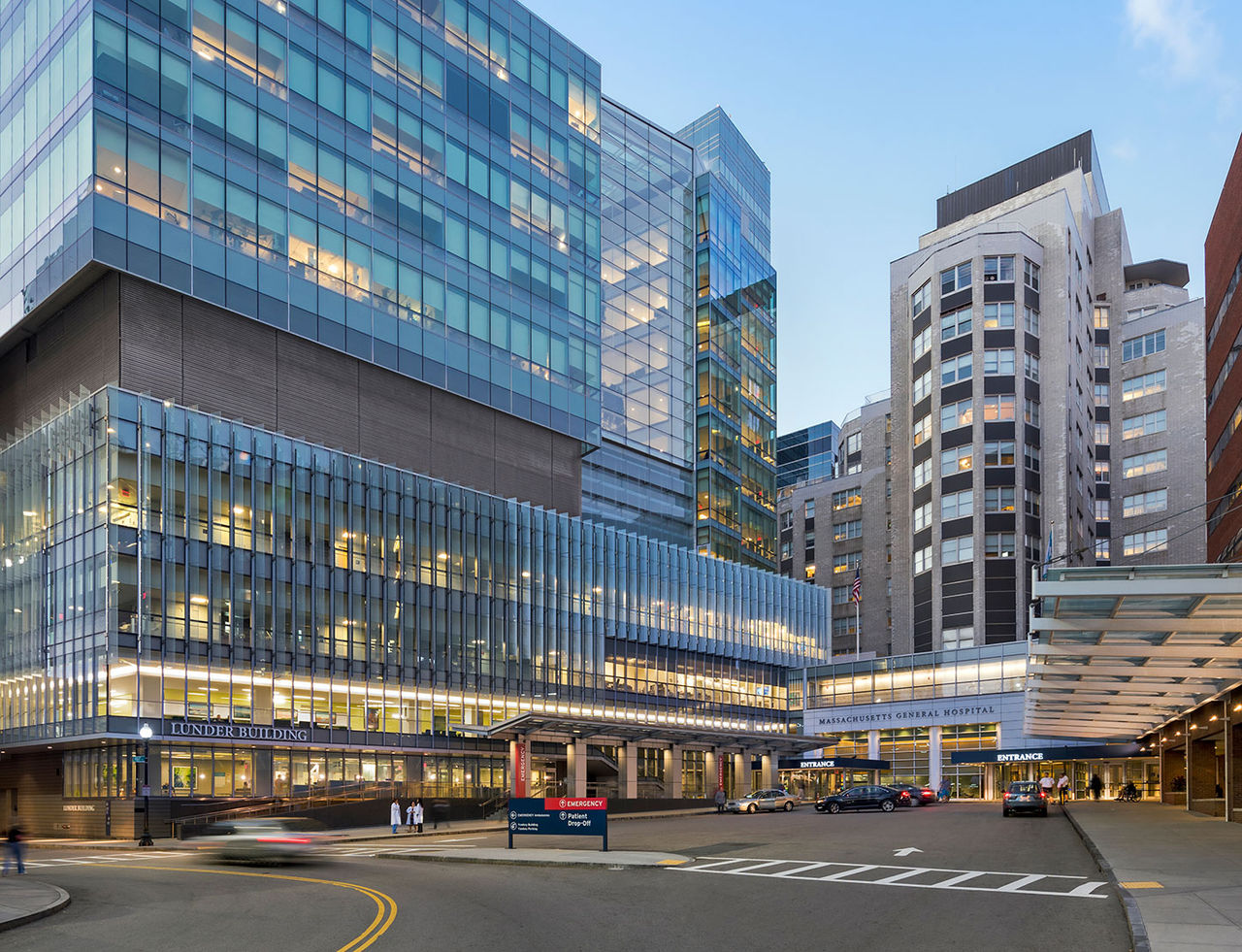
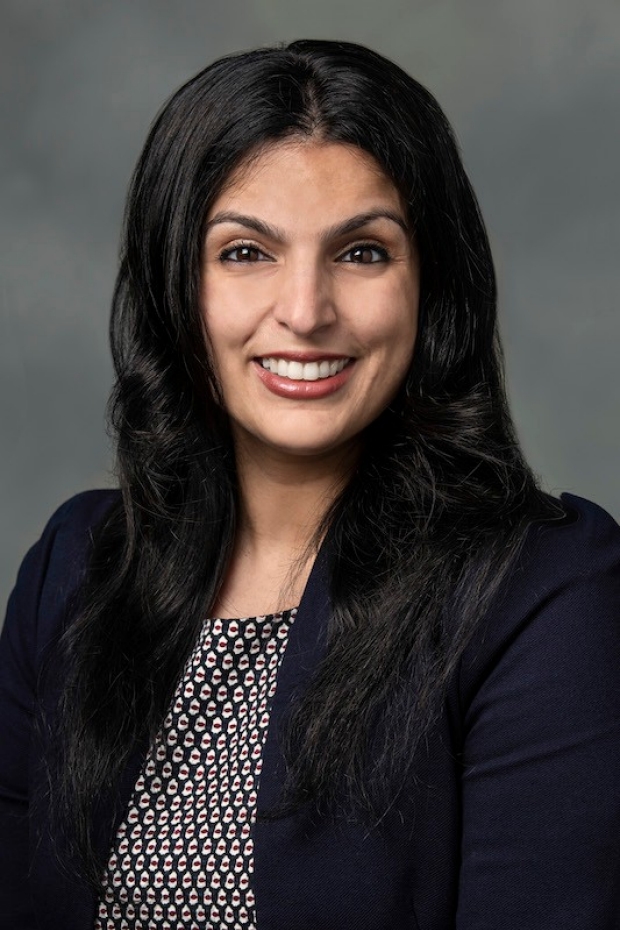
At Massachusetts General Hospital, a specialized vascular clinic is challenging the traditional emergency room model by providing comprehensive, one-stop care for vulnerable and unhoused patients. Led by vascular surgeon Dr. Anahita Dua, the clinic bridges the gap between primary care and acute intervention, aiming to prevent life-threatening complications such as sepsis and limb loss in patients who might otherwise avoid the hospital until it is too late.
Meeting Patients Where They Are
The clinic, which operates quarterly, was founded three years ago to address the specific needs of patients identified by the Boston Health Care for the Homeless Program. By coordinating services like imaging, wound care, and vascular evaluations into a single visit, the team removes barriers such as lack of transportation and difficulty navigating complex medical systems. According to Dr. David Munson, medical director for Boston Health Care for the Homeless, the success of this model relies on the trust built upstream through existing relationships with providers on the street and in shelters.
Did You Know? The clinic utilizes advanced wound-healing materials, including the scaly skin of fish from Iceland known as Kerecis, to treat severe wounds and potentially prevent the need for amputation in high-risk patients.
The Human Approach to Clinical Care
The clinic’s philosophy prioritizes patient comfort and autonomy, even when that means accommodating unconventional requests. When patient Carlton Haynes, 56, required urgent surgery for an oozing wound on his shin, he initially refused care unless he could have a cigarette. Dr. Dua permitted the request, noting that the goal was to secure the patient’s cooperation and provide life-saving treatment rather than enforcing rigid hospital policies that might cause the patient to reject care entirely.
Expert Insight: The medical community increasingly recognizes that strict adherence to institutional protocols can sometimes act as a barrier to care for marginalized populations. By prioritizing the patient-provider relationship over absolute compliance with no-smoking rules in this specific instance, the medical team successfully navigated a critical juncture, ensuring the patient received necessary surgical intervention to avoid limb loss.
What May Happen Next for Vascular Health
Moving forward, the clinic’s model could serve as a template for addressing disparities in vascular outcomes, particularly for Black Americans who are statistically three times more likely to experience limb amputations than other groups. While federal legislation introduced in 2020 sought to increase awareness of these disparities, the future of such initiatives remains uncertain. In the coming months, analysts expect the team at Mass General to continue refining their outreach efforts, potentially expanding the frequency of these sessions to catch vascular conditions like peripheral artery disease and abdominal aortic aneurysms before they escalate into emergencies.
Frequently Asked Questions
What conditions does the vascular clinic treat?
The clinic addresses a range of vascular issues, including peripheral artery disease, blocked carotid arteries, abdominal aortic aneurysms, and infected, slow-healing wounds.
How are patients referred to the clinic?
Patients are identified and referred primarily by professionals at the Boston Health Care for the Homeless Program, who facilitate the connection to the hospital’s vascular medicine and surgery group.
Is this clinic a permanent facility?
The clinic operates on a quarterly basis, providing a centralized location for patients to receive multiple types of care, including imaging and evaluations, in a single seamless visit on the hospital campus.
How do you think medical providers can better balance strict hospital protocols with the immediate needs of vulnerable patients?