

Massachusetts Senate Bill Targets Ways to Lower Rising Energy Costs
The Massachusetts Senate is advancing a bill to lower energy costs by targeting “less obvious cost drivers” and phasing out specific utility cost recovery programs. According to Senate representative Barrett, the legislation aims to eliminate overspending and overcharging within complex energy systems rather than relying on a single, simple solution.
How does the bill propose to lower energy costs?
The legislation introduces several measures to reduce consumer expenses. One provision allows individual cities and towns to ban competitive electric suppliers, companies that Barrett noted often use questionable methods to sign customers into expensive contracts.

The bill also seeks to stop utilities from passing certain lobbying and promotional costs onto customers. Additionally, it would authorize the use of plug-in solar systems and allow funds from the Regional Greenhouse Gas Initiative’s cap-and-trade auctions to be used for electric vehicle incentives.
Barrett also called for the phase-out of the Gas System Enhancement Program. This initiative currently allows natural gas companies to recover costs for repairing leak-prone and aging pipes more quickly, resulting in higher fees on consumer bills.
Why is there a conflict over energy-efficiency spending?
The current Senate version follows a contentious history of proposed cuts. Democratic Rep. Mark Cusack previously sponsored a bill that echoed Gov. Healey’s proposals but suggested slashing energy-efficiency spending by $330 million through the end of 2027.
Climate and consumer advocates opposed Cusack’s measure, claiming such a cut would “eviscerate Mass Save” without providing meaningful savings. The House Ways and Means Committee later released a proposal in February that tripled the proposed cut to efficiency programming.
The Senate has taken a different approach. Barrett told Canary Media that the Senate “doesn’t want any of it gone,” arguing that constituents can distinguish between a cost and an investment.
What may happen next with energy pricing?
Supporters of the Senate version suggest the bill will provide a more detailed analysis of cost drivers. Murray of the Acadia Center noted that energy prices do not change via a “switch they could flip.”
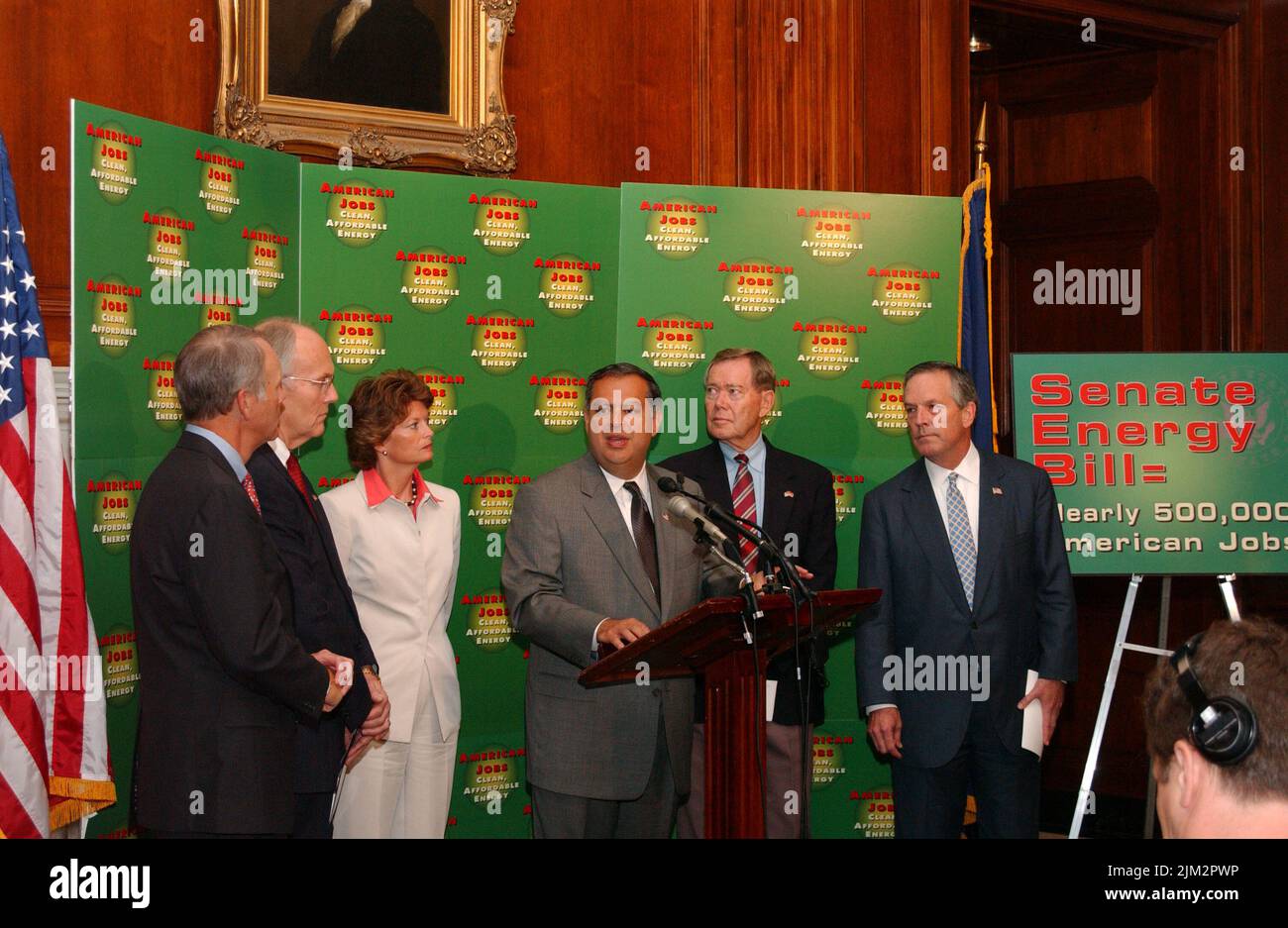
Future developments may depend on whether the Senate’s focus on incremental savings—which Barrett described as “$100 million here and a $100 million there”—can effectively offset the soaring costs identified by Rep. Cusack. The legislation could potentially shift how natural gas companies recover infrastructure costs if the Gas System Enhancement Program is phased out.
Frequently Asked Questions
What is the Gas System Enhancement Program?
It is an initiative that allows natural gas companies to recover costs for repairing aging and leak-prone gas pipes more quickly, which increases the fees on consumer bills.
What did Rep. Mark Cusack propose regarding emissions targets?
Rep. Cusack proposed making the state’s 2030 emissions-reduction target nonbinding.
How would the bill address competitive electric suppliers?
The bill would allow individual cities and towns to ban these suppliers to protect customers from expensive contracts.
Do you believe local towns should have the power to ban competitive energy suppliers?