
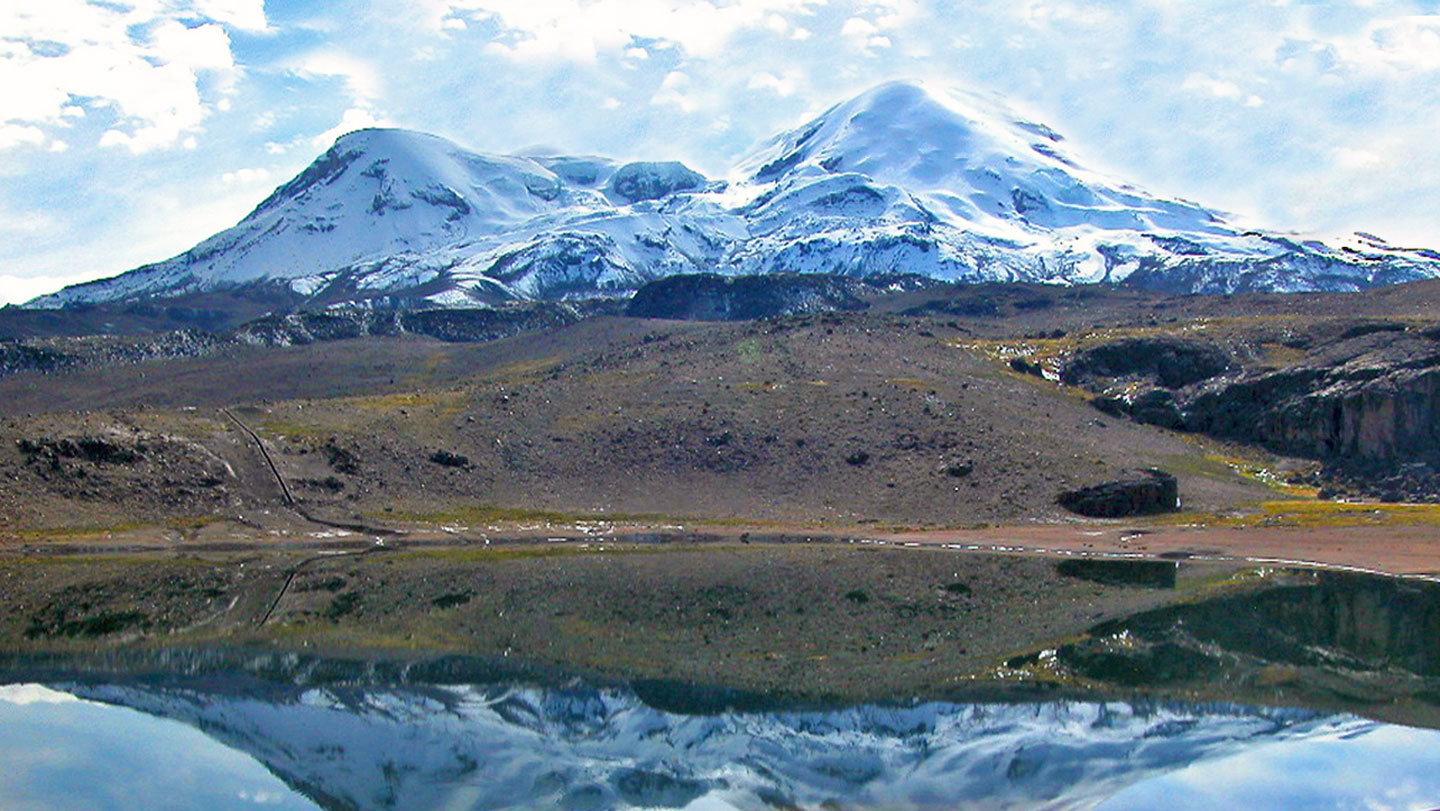
Massive Tropical Permafrost Under Peru’s Tallest Volcano Could Be Vital Water Source
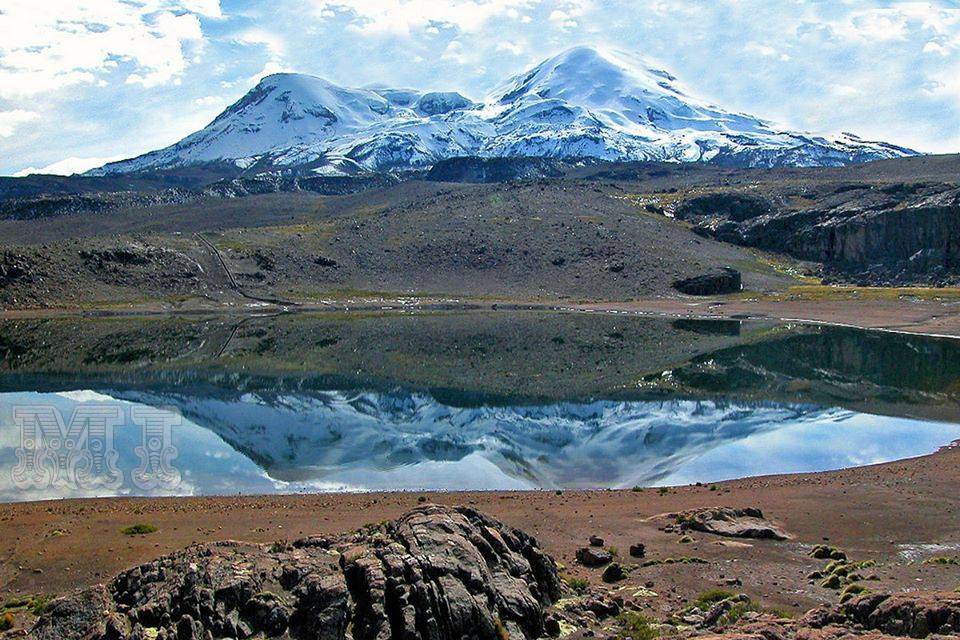
A vast layer of tropical permafrost has been identified beneath the upper slopes of Nevado Coropuna in Peru, potentially serving as a vital water reserve as the region’s glaciers retreat. Geographer Ramón Pellitero and his research team reported on May 26 in Permafrost and Periglacial Processes that a frozen layer 15 to 20 meters thick exists roughly two to four meters below the surface at an elevation of 5,000 meters.
Did You Know?
Researchers had to manually carry their equipment up the mountain to conduct this study because the area lacks the water required for standard vertical electrical sounding tools to function properly.
Why This Discovery Matters for Local Water Security
The discovery of this permafrost cache is significant because local communities in this arid region currently rely on shrinking glaciers for their water supply. According to Pellitero of the National University of Distance Education in Madrid, the volume of ice stored in the ground is substantial. As climate change continues to impact glacial stability, these underground frozen resources may become an increasingly important source of water for the surrounding area.
How Researchers Mapped the Frozen Ground
To locate the permafrost, the team hiked across the harsh terrain of Nevado Coropuna using ground-penetrating radar and vertical electrical sounding. By placing electrodes into the ground to measure electrical resistance, they identified high-resistance signals that confirmed the presence of ice. This work was previously limited by the site’s extreme remoteness and the physical challenge of operating at altitudes exceeding 5,000 meters.
Expert Insight:
According to geographer Stephan Gruber of Carleton University, the study of mountain permafrost is currently under-researched. The integration of this data is essential for understanding the complex connections between high-altitude ecosystems, potential geological hazards, and long-term water availability in mountainous regions.
What May Happen Next
The research team plans to continue their investigations by employing electric resistivity tomography to more precisely map the extent of the frozen layers. While they have confirmed the existence of permafrost at 5,000 meters on Nevado Coropuna, they suspect similar conditions exist across the wider area. Future efforts will aim to determine if these frozen conditions extend throughout the surrounding landscape, providing a clearer picture of regional water storage.
Frequently Asked Questions
Where else is tropical permafrost found?
Tropical permafrost has been documented in other locations, including Tanzania’s Kilimanjaro and Hawaii’s Mauna Kea volcano. However, researchers note that none of these sites contain a cache as large as the one found in the Peruvian Andes.
Why is this permafrost considered a “lifesaver”?
The team describes it as such because it provides a potential water source for communities in an arid region where the primary water source—glaciers—is currently shrinking at a rapid pace.
How certain are researchers about the extent of this permafrost?
While the team confirmed the layer’s thickness at the specific study site on Nevado Coropuna, they have not yet mapped the full extent of the area. They currently assume similar conditions may exist elsewhere at that elevation, but this remains to be confirmed through further study.
How might the identification of these hidden water stores change the way local communities manage their resources in the coming decades?