
Mastic Gum: Science-Backed Benefits and Social Media Myths
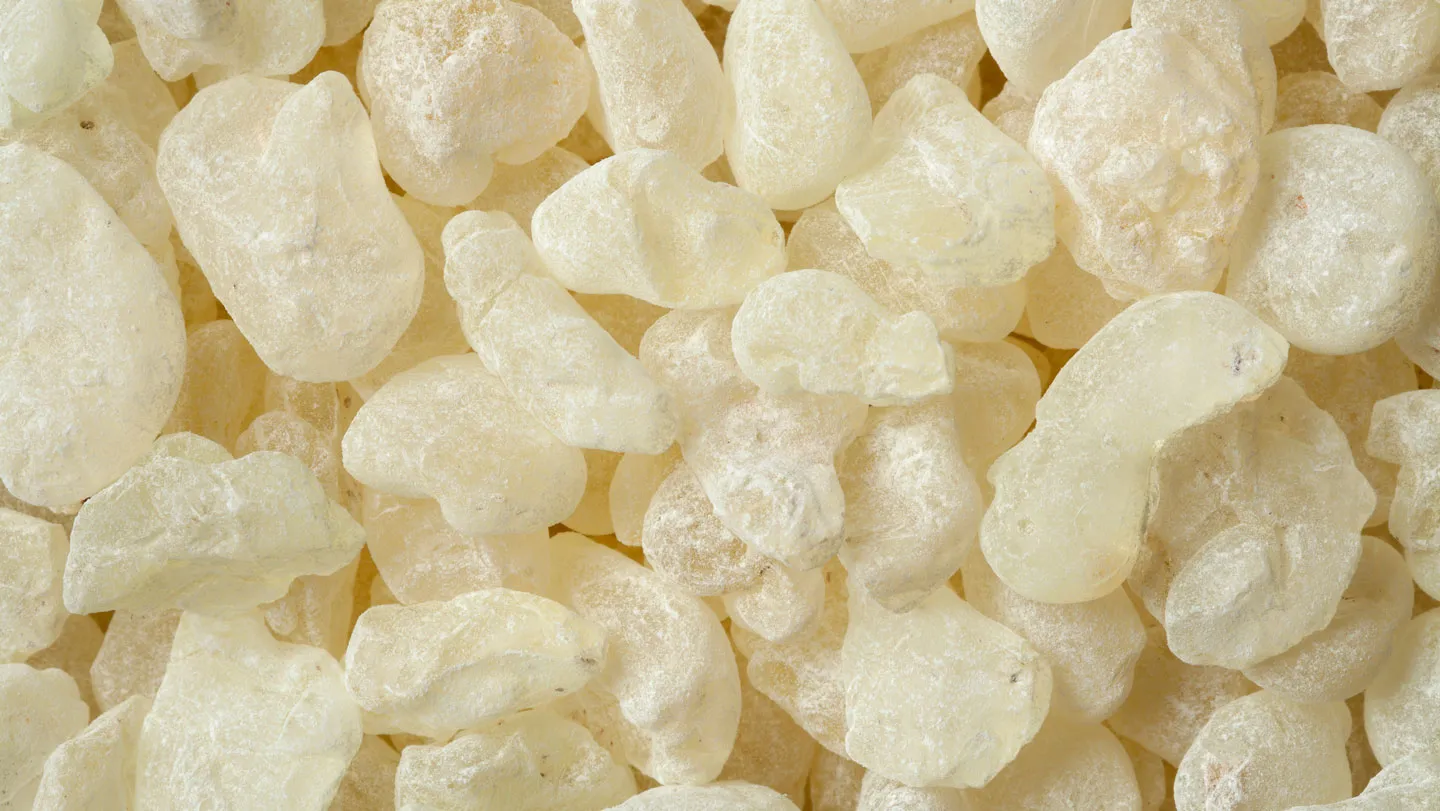
Mastic gum, a resin from the mastic tree on the island of Chios in the Aegean Sea, offers verified oral health benefits but lacks scientific evidence for jawline shaping, according to medical experts and clinical research. While its plant compounds may treat gastrointestinal issues, pharmacologist Roja Rahimi of Tehran University of Medical Sciences states that chewing the gum is not considerably effective for metabolic or gastrointestinal conditions compared to oil or powder supplements.
Does mastic gum improve oral health?
Chewing mastic gum helps reduce plaque buildup and prevents gum disease and cavities, according to a 2023 review in the Journal of Natural Medicines. The same review found that mastic compounds may fight oral cancer by triggering the death of cancerous cells and limiting their spread.

The resin’s antibacterial properties also target bad breath. Research published in 2025 in the Journal of Breath Research found that teenagers using mastic toothpaste three times daily for two weeks reduced levels of hydrogen sulfide in their breath.
Can chewing mastic gum treat gut and metabolic issues?
Plant compounds in the mastic tree have antibacterial and anti-inflammatory properties that may reduce blood sugar and cholesterol levels. Research indicates these compounds can fight Helicobacter pylori, the bacteria that causes ulcers, and ease symptoms of dyspepsia, irritable bowel syndrome, and Crohn’s disease.
However, the delivery method matters. Roja Rahimi notes that most research involved concentrated powder or oil supplements rather than chewing gum. For those seeking gut or metabolic benefits, Rahimi suggests consulting a doctor about capsules rather than gum.
Does mastic gum sharpen the jawline?
There is no research to support claims that mastic gum chisels the jawline, according to Anette Vistoso, an orofacial medicine specialist at the University of Southern California. While three out of five major brands on TikTok market the gum for aesthetic jaw-sharpening, clinical data contradicts these claims.
A 2024 study in the Journal of Oral Rehabilitation found that chewing typical gum three times a day for six months had no effect on the appearance of the jawline. Vistoso warns that chewing firm gum could lead to jaw pain or cause patients to grind through night guards due to excessive muscle strength.
What may happen next for mastic gum users?
Users who continue to chew firm resins for aesthetic purposes may be more likely to develop jaw clenching or muscle pain. If the trend persists on social media, more researchers could potentially investigate the long-term effects of high-resistance chewing on orofacial health.

Healthy individuals who rely on herbal medicines long-term may find limited success compared to lifestyle modifications. Rahimi suggests that those with dental or gingival problems are the most likely to see actual benefits from chewing the resin.
Frequently Asked Questions
Can mastic gum treat ulcers?
Research indicates that compounds found in the mastic tree may fight Helicobacter pylori, the bacteria responsible for causing ulcers.
Will chewing mastic gum change my face shape?
No. Anette Vistoso of the University of Southern California states there is no research to back these claims, and a 2024 Korean study found no effect on the jawline from regular gum chewing.
Is chewing mastic gum the best way to improve gut health?
No. Pharmacologist Roja Rahimi states that chewing the gum does not have considerable efficacy for gastrointestinal conditions and recommends oil or powder capsules instead.
Have you ever used herbal resins or traditional remedies for your health?