

Matrouh University Seminar: Hantavirus Symptoms, Transmission, and Prevention
The Faculty of Veterinary Medicine at Matrouh University held a seminar to warn against Hantavirus, a rare but potentially life-threatening virus transmitted primarily by rodents. According to doctors at the event, which was attended by Dr. Sami Ammar, Director of the Veterinary Medicine Directorate in Matrouh, and Dr. Mohamed Al-Baskawi, Dean of the Faculty of Veterinary Medicine, the virus spreads when humans inhale contaminated air or have direct contact with rodent waste.
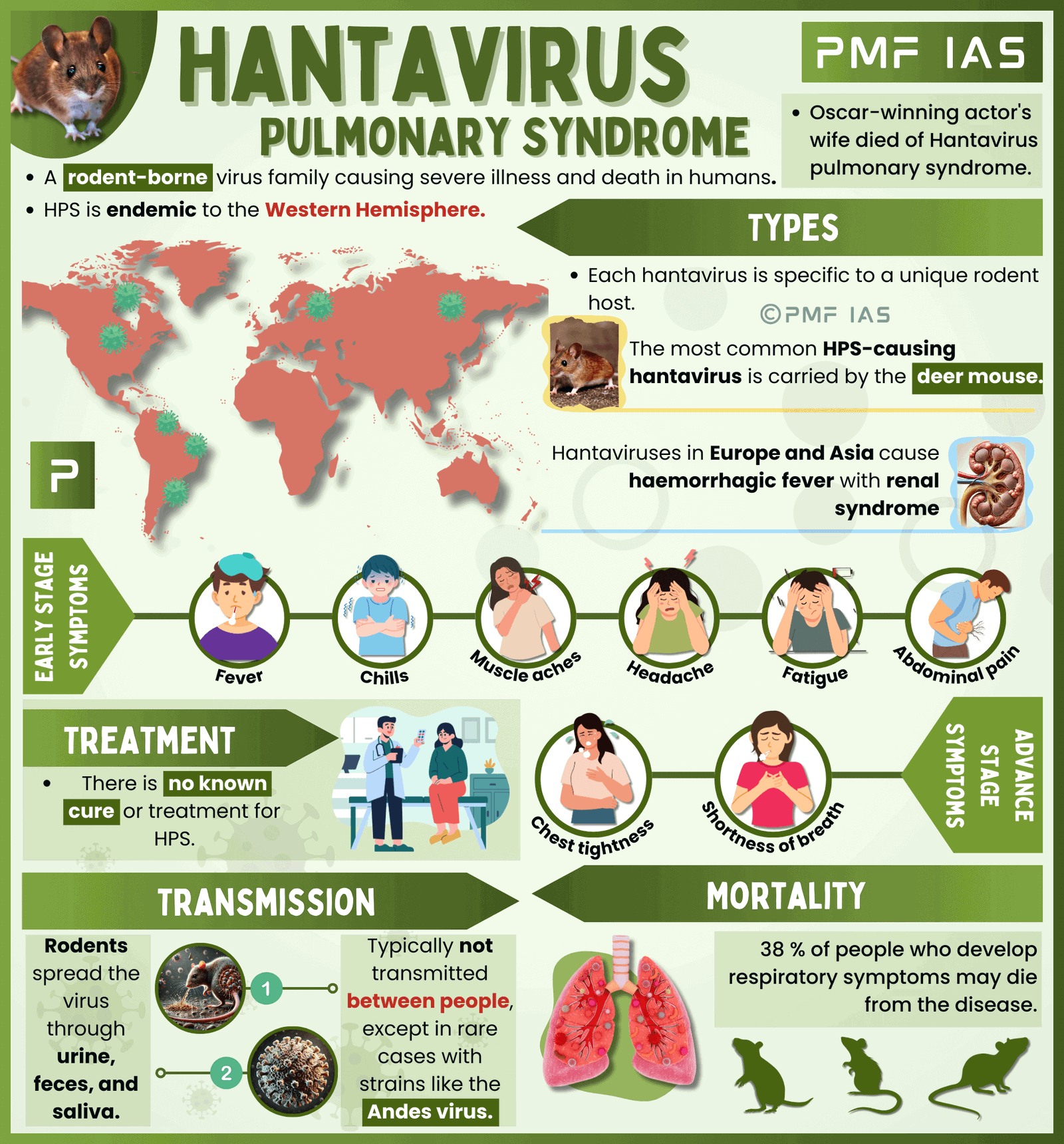
How does Hantavirus spread to humans?
Doctors at the university stated that the primary route of infection is inhaling air contaminated by dried rodent secretions, including urine, saliva, or feces. This typically happens when these materials mix with dust and are stirred up during the cleaning of warehouses or abandoned buildings.
Direct contact is another risk factor. According to the seminar presenters, infection can occur if a person touches rodent urine or feces and then touches their mouth or nose. Rodent bites also serve as a transmission vector. While the virus generally doesn’t spread from person to person, doctors noted extremely rare cases of this occurring in South America.
What are the different types of Hantavirus syndromes?
The medical experts identified two main clinical syndromes based on the virus strain and geography. Hantavirus Pulmonary Syndrome (HPS) is more prevalent in the Americas. This version is highly dangerous, causing fluid accumulation in the lungs and severe breathing difficulties.
In contrast, Hemorrhagic Fever with Renal Syndrome (HFRS) is more common in Europe and Asia. According to the university doctors, HFRS leads to sudden kidney failure, internal bleeding, and acute pain in the abdomen and back.
What are the symptoms and treatment options?
Initial symptoms typically appear one to several weeks after exposure. According to the university doctors, early signs mimic the flu, including fever, chills, headache, dizziness, and nausea. Patients often experience severe muscle pain, particularly in the shoulders, back, and thighs, as well as vomiting or diarrhea.
If the virus progresses to the lungs, the patient may develop a severe cough and acute shortness of breath. Doctors emphasized that this stage requires immediate intensive care. Currently, there is no specific antiviral drug or cure for Hantavirus. Medical care relies on supportive hospital treatment, such as oxygen machines and monitoring of fluid levels and kidney function.
How can Hantavirus be prevented?
Because no specific cure exists, doctors at Matrouh University stated that prevention is the most effective strategy. The primary recommendation is aggressive rodent control to prevent mice and rats from entering workplaces and homes.
What may happen next for at-risk individuals?
Individuals who clean abandoned areas could face higher risks if they don’t use protective measures. Those who develop flu-like symptoms after rodent exposure may need to seek immediate medical evaluation to prevent the progression to respiratory or renal failure. A possible next step for public health efforts may involve increased awareness of rodent-proofing buildings.
Frequently Asked Questions
How is Hantavirus most commonly transmitted?
According to doctors at Matrouh University, it is primarily transmitted by inhaling dust contaminated with dried rodent urine, saliva, or feces, or through direct contact and rodent bites.
Are there different versions of the disease?
Yes. The source identifies Hantavirus Pulmonary Syndrome (HPS), common in the Americas and affecting the lungs, and Hemorrhagic Fever with Renal Syndrome (HFRS), common in Europe and Asia, which affects the kidneys.
Is there a specific medication to cure Hantavirus?
No. University doctors confirmed there is no specific antiviral treatment; patients receive supportive care in hospitals, including oxygen therapy and kidney function monitoring.
What steps do you take to ensure your home remains rodent-free?