
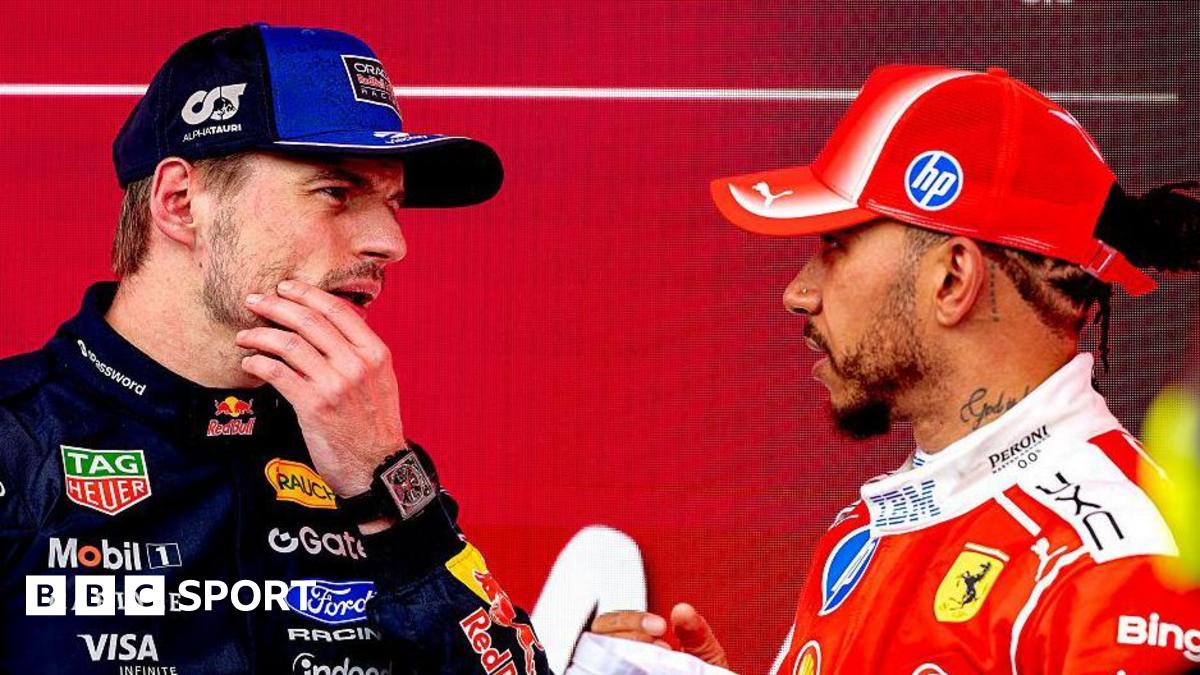
Max Verstappen Threatens F1 Exit Over Engine Rule Frustrations
Max Verstappen has expressed significant frustration with the current state of Formula 1, suggesting that staying in the sport may be “mentally not doable” if engine regulations are not amended. Speaking in Montreal, the driver emphasized his dissatisfaction with the complexity of current machinery.
Verstappen highlighted a longing for “pure motorsport,” citing his experience racing in the Nurburgring 24 Hours as a reminder of what the sport should be. He described the current F1 driving experience as “all a bit confusing” and “way too complex.”
“It’s just such a shame that we have to deal with all these things. F1 just needs to be more pure and I really hope that what they try to do [for] next year will go through because I think that is necessary,” Verstappen stated.
The Battle Over Energy Management
The core of the issue lies in the requirement for constant energy management. Verstappen argues that the rules are so intricate that even fans may not understand the restrictions regarding battery charging or the specific requirements for formation and out-laps.
Other drivers have echoed these sentiments. Lewis Hamilton described the sensation as a “weird feeling,” noting that power can die halfway down a straight and RPMs begin to drop after opening the straight-line mode.
Similarly, Antonelli remarked after the race that the way the current system works “still sometimes it triggers you a little bit.”
Proposed Technical Shifts
F1 bosses are currently attempting to modify the power split between internal combustion and electrical power. The goal is to move to a 60:40 split for next year, moving away from the nominal 50:50 split, which in reality operates at approximately 54:46.
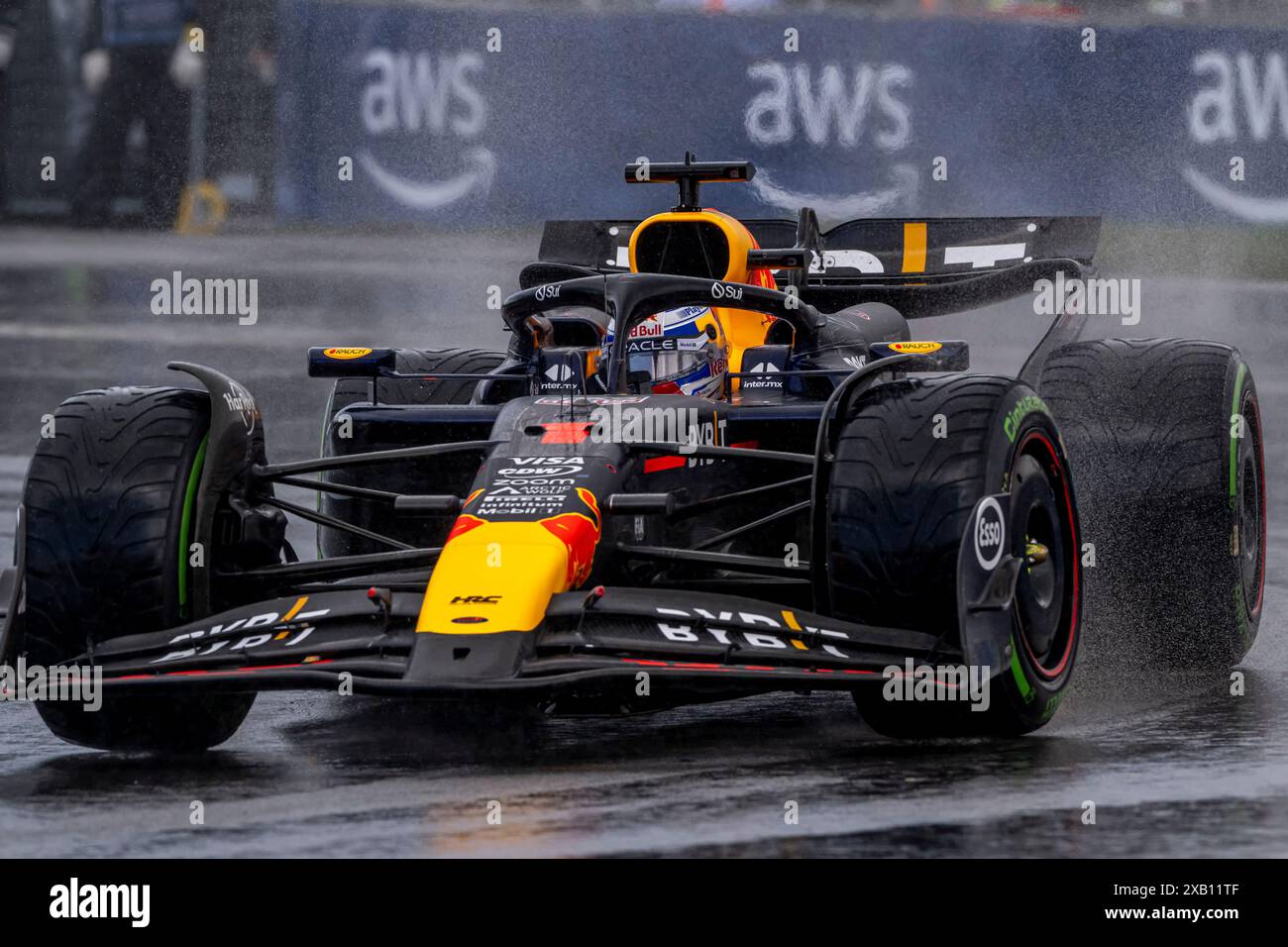
This change would likely be achieved by increasing the fuel-flow limit. Such a move could reduce the necessity for rigorous energy management—particularly during qualifying—and allow drivers to push more “on the limit.”
the regulators may address issues that make cars and engines difficult to handle during warm-up laps due to strict energy limits.
The Path to Agreement
While the FIA announced an “agreement in principle” regarding the 60:40 shift more than two weeks ago, the proposal lacks sufficient support from engine manufacturers. Specifically, companies including Ferrari, Audi, Honda, and Cadillac have opposed the move.
Authorities are currently attempting to negotiate with these manufacturers. There is hope that an agreement involving suitable compromises, particularly for Audi and Ferrari, could be reached this week.
Despite the frustrations, some aspects of the current rules have been viewed as positives. The new cars are smaller, lighter, and more nimble, contributing to multi-lap battles where cars repeatedly pass one another.
Frequently Asked Questions
Why is Max Verstappen threatening to leave Formula 1?
Verstappen finds the current engine regulations and the need for constant energy management to be too complex and “mentally not doable,” stating that the sport needs to be “more pure.”
What is the proposed change to the engine regulations?
F1 bosses are proposing a change in the power split between internal combustion and electrical power to 60:40, likely by increasing the fuel-flow limit to reduce energy management requirements.
Which manufacturers are currently opposing these changes?
The manufacturers listed as opposing the changes include Ferrari, Audi, Honda, and Cadillac.
Do you believe technical complexity is a fair trade-off for the spectacle of modern racing?