

McDermott+ Check-Up: June 18, 2026
Senate Finance Committee Ranking Member Ron Wyden (D-OR) and a group of Democratic colleagues released a request for information on June 16, 2026, to reform prescription drug pricing. The initiative seeks stakeholder input on lowering patient out-of-pocket costs and fostering biopharmaceutical innovation to inform a draft legislative proposal expected in 2027.
How do Senate Democrats plan to lower prescription drug costs?
According to the request for information (RFI), the proposal focuses on three primary areas. First, the committee is exploring ways to lower prices by expanding Medicare negotiation, strengthening inflation rebates, and investigating subscription models for common medications like GLP-1s.
Second, the RFI seeks feedback on enhancing affordability. This includes strengthening oversight of health plans and pharmacy benefit managers, reforming generic drug reimbursement, and broadening assistance for Medicare Part D.
Finally, the group aims to bolster U.S. biopharmaceutical innovation. They are considering options to expand biomedical research funding, support high-risk drug development, and improve domestic clinical trials to maintain global competitiveness.
Which healthcare bills did the Senate HELP Committee advance?
The Senate Health, Education, Labor, and Pensions (HELP) Committee advanced seven of eight health-related bills to the Senate floor. These include the Charlotte Woodward Organ Transplant Discrimination Prevention Act (S. 1782), which prohibits denying transplants based on physical or mental disabilities, and the Healthy Start Reauthorization Act of 2026 (S. 3799), which provides $145 million annually through 2030.
Other advanced legislation includes the Stem Cell Therapeutic and Research Reauthorization Act (S. 4109) and the Accelerating Access to Critical Therapies for ALS Act of 2026 (S. 4472), the latter of which maintains $100 million in annual funding through 2031.
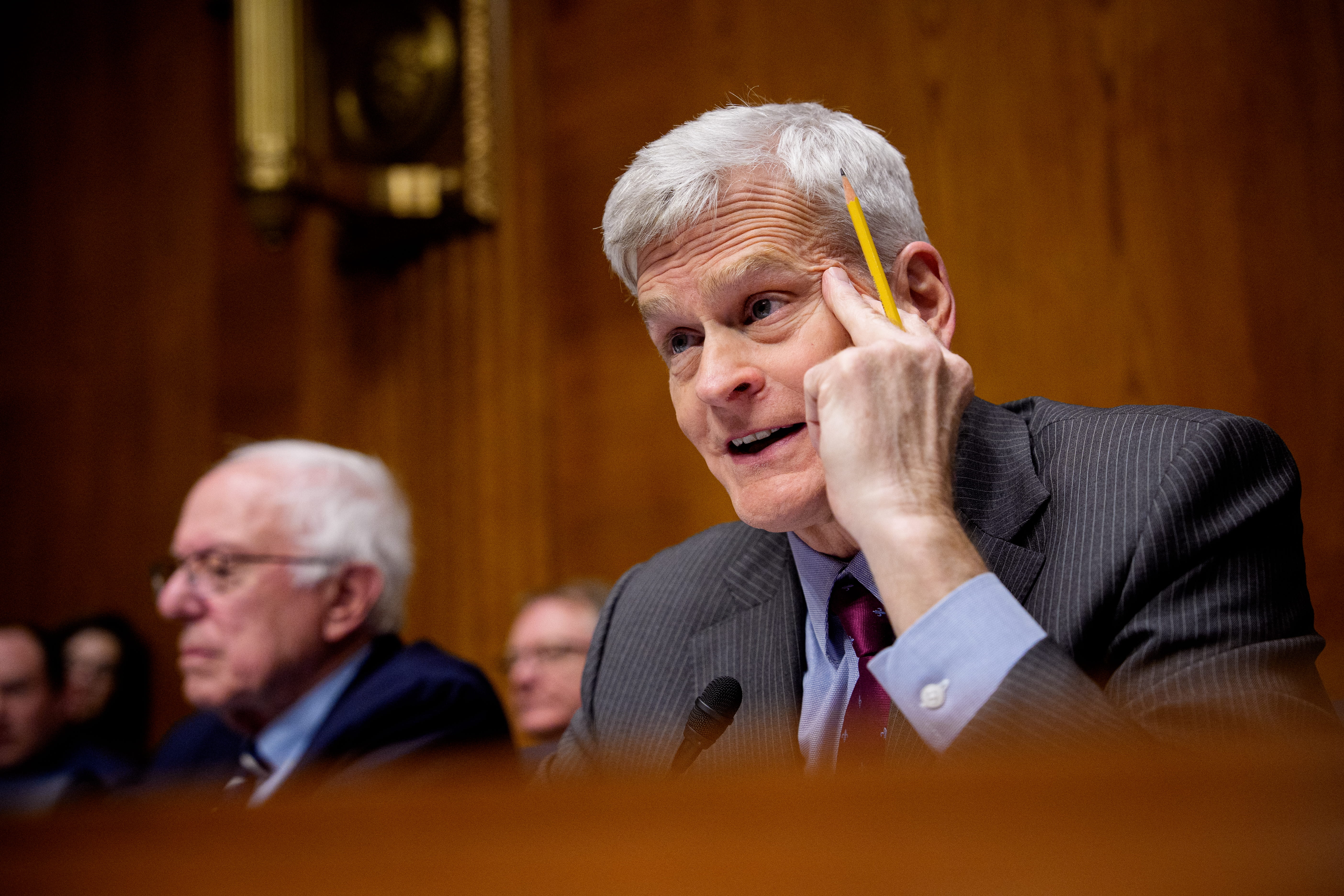
The committee also passed the Biosimilar Red Tape Elimination Act (S. 1954) and the Medication Affordability and Patent Integrity Act (S. 2658). However, Chairman Cassidy (R-LA) delayed the final vote on the Ensuring Timely Access to Generics Act of 2025 (S. 3014) to seek technical assistance following an amendment by Sen. Sanders (I-VT).
What new rules is CMS implementing for drug pricing and accreditation?
On June 12, 2026, the Centers for Medicare & Medicaid Services (CMS) proposed a regulatory framework to codify the Medicare Drug Price Negotiation Program. Originally established under the 2022 Inflation Reduction Act, this program allows Medicare to negotiate prices for high-cost drugs and biologics that lack generic competition. The new rule specifically addresses negotiation policies for single-source drugs starting in 2029.
CMS also finalized a rule to tighten oversight of accrediting organizations that survey Medicare-certified providers. The final rule requires these organizations to follow the same Medicare standards as state survey agencies and mandates that surveys be conducted without advance notice.
To prevent conflicts of interest, the rule prohibits accrediting organizations from performing mock surveys for providers they accredit before initial surveys or within 12 months of reaccreditation. CMS stated these changes aim to increase transparency and ensure consistent health and safety standards.
What other federal health updates were announced?
The FDA approved a new over-the-counter intranasal naloxone product for emergency opioid overdose treatment. Simultaneously, the National Institutes of Health (NIH) created the Office of Research Innovation, Validation, and Application to scale human-based research technologies over animal-based methods.
Administrative reports also surfaced this month. MedPAC and MACPAC released their June 2026 reports to Congress regarding Medicare and Medicaid payment issues. The Congressional Budget Office (CBO) requested new research on how the No Surprises Act impacts provider networks and market competition.
Additionally, the Government Accountability Office (GAO) identified program integrity concerns within the Inspectors General Integrity Committee, recommending eight improvements to oversight and transparency in investigations.
What happens next in health policy?
The House and Senate are scheduled for joint sessions next week before the August recess. House Republicans may advance a third budget reconciliation package that could include health-related provisions.
On June 25, 2026, the House Energy and Commerce Oversight and Investigations Subcommittee will hold a hearing on Medicaid fraud with state Medicaid directors. The House Energy and Commerce Health Subcommittee is also expected to hold a markup of healthcare transparency bills.
Frequently Asked Questions
When is the deadline for submitting feedback on the drug pricing RFI?
The deadline to submit feedback to [email protected] is August 17, 2026.
What does the Biosimilar Red Tape Elimination Act do?
The act would remove the separate interchangeability determination process used by the FDA and automatically classify biological products licensed under the Public Health Service Act (section 351(k)) as biosimilars.
How does the new CMS rule change accreditation surveys?
Surveys must now be conducted without advance notice, and accrediting organizations are prohibited from conducting mock surveys for providers they accredit before initial surveys or within 12 months of reaccreditation.
How do you think the shift toward human-based research at the NIH will impact the speed of medical breakthroughs?