
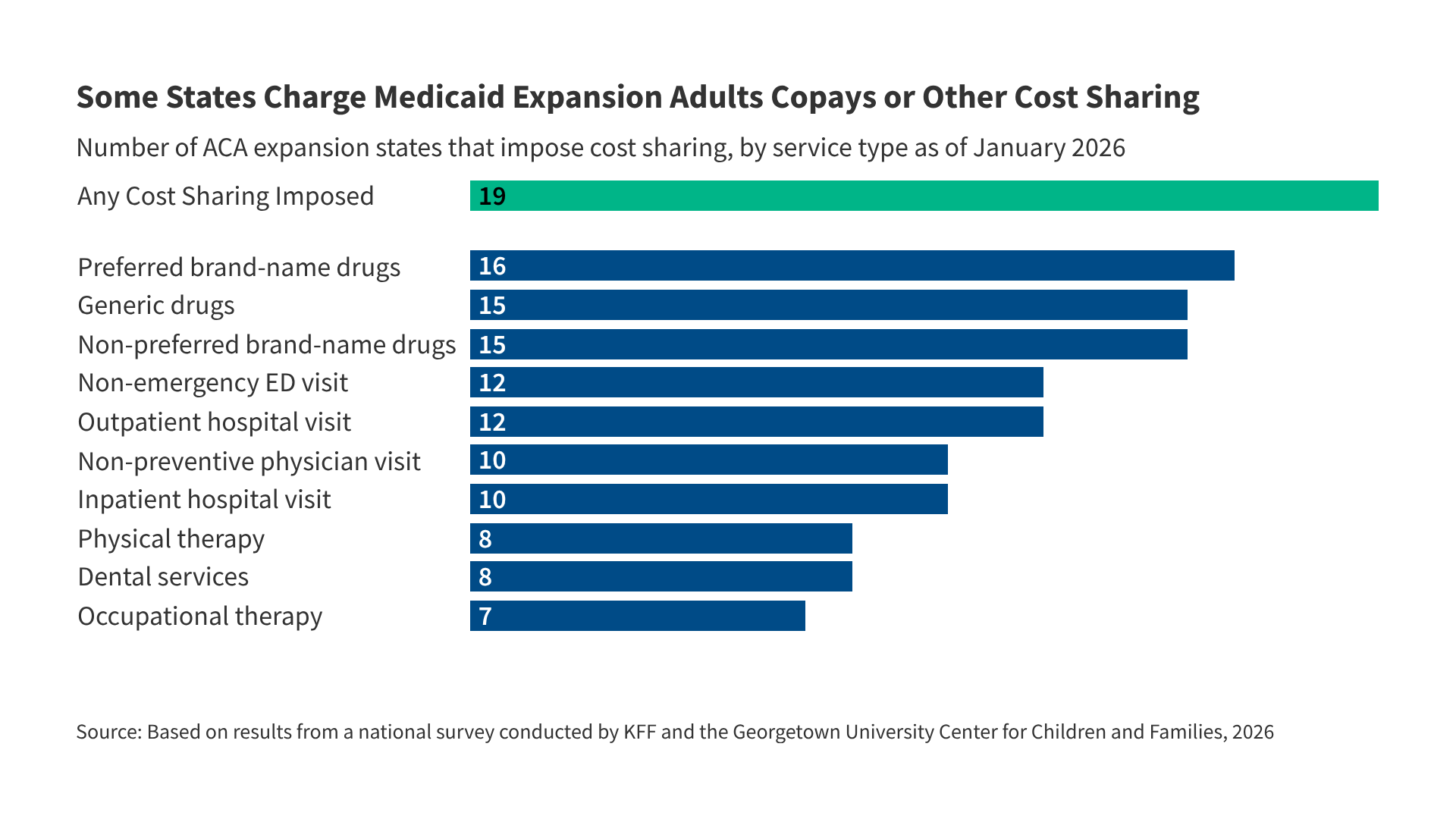
Medicaid Cost Sharing and Premiums: Rules and Regulations
Current federal rules provide states with the flexibility to impose cost-sharing requirements on certain Medicaid populations. These regulations are designed to balance state discretion with protections that prevent low-income enrollees from facing prohibitive out-of-pocket expenses.
Understanding Cost-Sharing Limits
For individuals with incomes at or below 100% of the Federal Poverty Level (FPL), cost sharing is generally limited to nominal amounts. These are set at $4 for most outpatient services and preferred drugs, $8 for non-preferred drugs and non-emergency emergency department (ED) use, and $75 per inpatient stay.
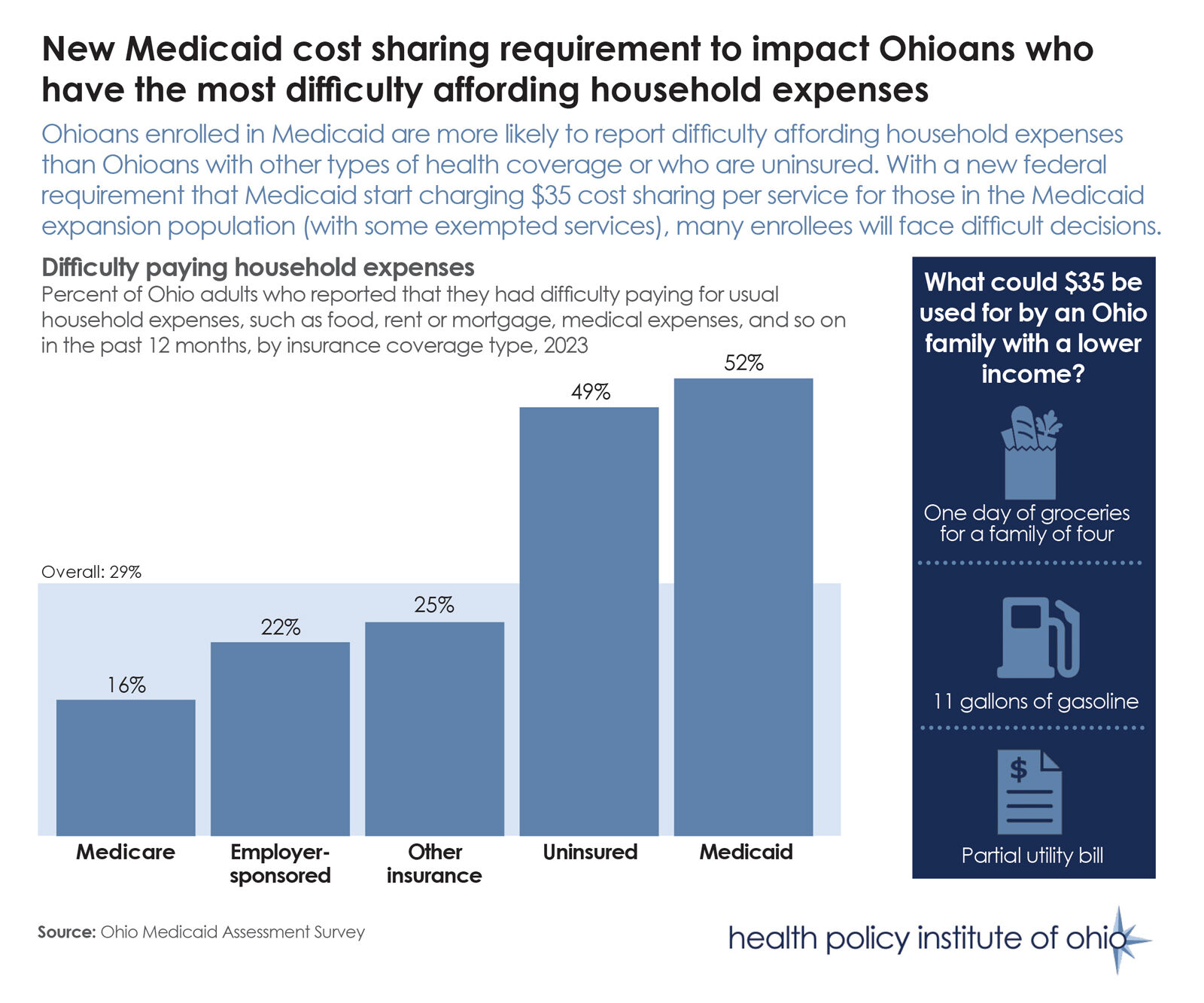
As income increases, these limits shift. For families with incomes between 101% and 150% FPL, cost sharing for most services cannot exceed 10% of the service cost. For those above 150% FPL, that limit increases to a maximum of 20%.
Protections and Provider Flexibility
To shield households from financial hardship, total out-of-pocket costs for premiums and cost sharing are capped at 5% of monthly or quarterly household income. States must implement a tracking process for these costs that does not depend on documentation provided by the enrollee.
Providers are required to allow for the reduction or waiver of cost sharing on a case-by-case basis. However, providers may be permitted to deny services for nonpayment if the enrollee’s household income is above 100% FPL and they are not part of an exempt population.
Prescription Drugs and Emergency Care
States have additional flexibility regarding non-preferred drugs and non-emergency ED visits. They may impose cost sharing for these services even on populations that are otherwise exempt from cost-sharing requirements.
For non-emergency ED use, a medical professional must first screen the enrollee to confirm the care is not an emergency. Enrollees must be notified of the charges and provided with the name and location of an accessible alternative provider.
Premium Regulations
Under existing rules, states are prohibited from charging premiums to Medicaid enrollees with incomes below 150% FPL. Certain pregnant individuals with incomes exceeding 150% FPL may be charged premiums of up to 10% of the amount by which their income exceeds that threshold.
Beyond these rules, states may seek waivers to impose premiums that are not otherwise permitted under federal regulations.
Why This Matters and What May Follow
These rules are significant because they determine the actual affordability of healthcare for the nation’s most vulnerable populations. The 5% household cap and the reliance on the Consumer Price Index ensure that costs do not outpace inflation or household means.
Looking ahead, states may continue to utilize waivers to adjust how premiums are collected. Depending on economic shifts, we could see more frequent adjustments to nominal fees as the Consumer Price Index fluctuates.
the use of medical screenings for non-emergency ED visits may become a more prominent tool for states seeking to manage costs and redirect patients to alternative providers.
Frequently Asked Questions
What is the maximum out-of-pocket cap for a Medicaid household?
Total out-of-pocket costs for premiums and cost sharing are capped at 5% of the household’s monthly or quarterly income.
Can a provider refuse to treat a Medicaid patient who cannot pay cost sharing?
A state may allow providers to deny services for nonpayment if the enrollee’s household income is above 100% FPL and they are not in a population exempt from cost sharing.
Are there any restrictions on premiums for low-income enrollees?
States may not charge premiums for Medicaid enrollees with incomes less than 150% FPL, unless they obtain a waiver.
How do you think cost-sharing limits impact a person’s decision to seek preventative healthcare?