
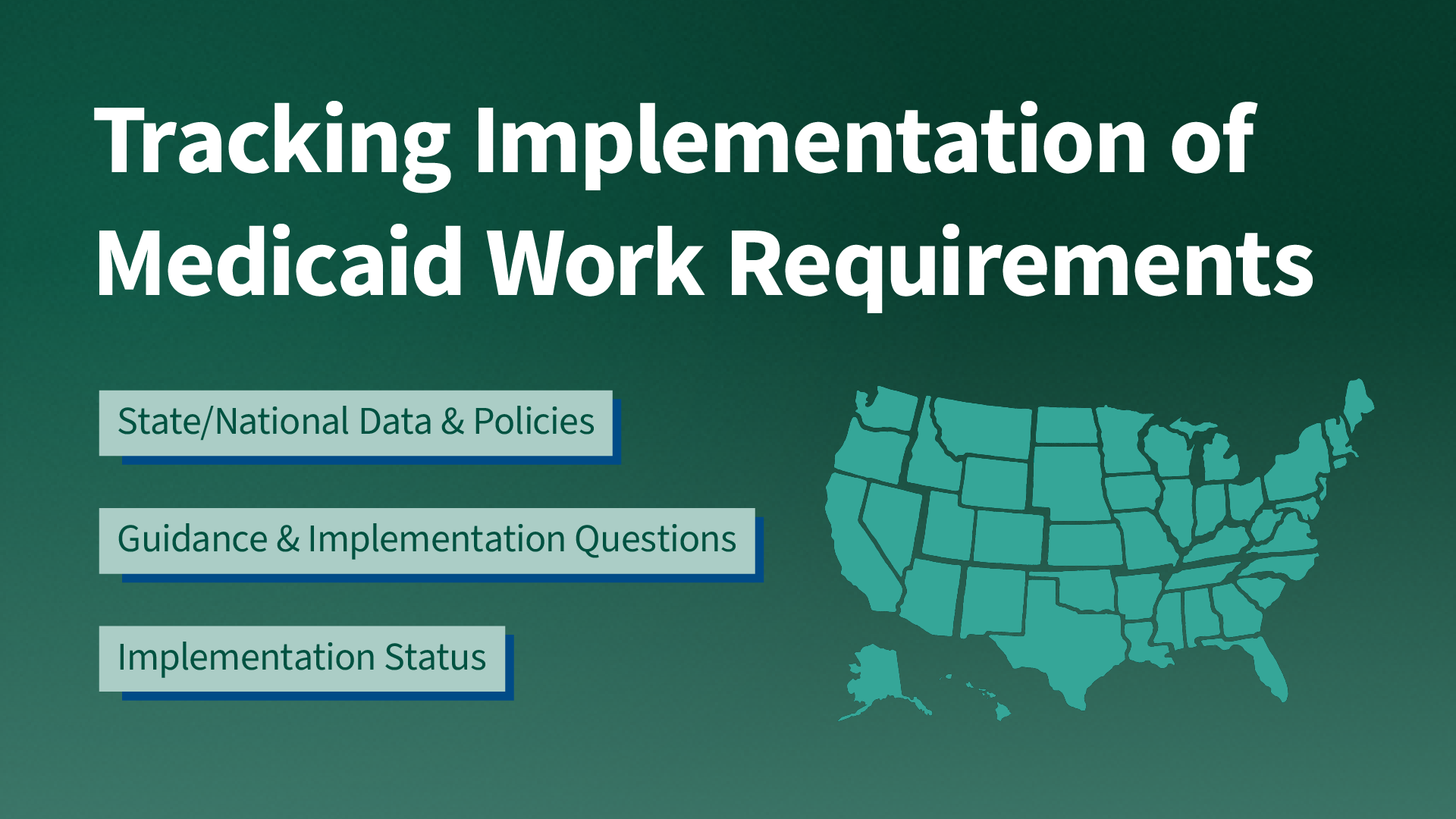
Medicaid Work Requirements Under the 2025 Reconciliation Law
Beginning January 1, 2027, a federal mandate requires 44 states and the District of Columbia to implement work requirements for specific Medicaid enrollees. Signed by President Trump on July 4, 2025, the reconciliation law—formerly referred to as the “One Big Beautiful Bill”—conditions eligibility for adults in Affordable Care Act (ACA) expansion groups and certain 1115 waiver program participants on meeting new employment criteria.
Did You Know?
The 2025 reconciliation law impacts a broad spectrum of states, including the 41 jurisdictions that have expanded Medicaid to cover nearly all adults earning up to 138% of the federal poverty level, which equates to $21,597 for an individual in 2025.
Scope of the Medicaid Work Requirements
The Centers for Medicare and Medicaid Services (CMS) identified the specific populations subject to these changes in June 2026. Beyond ACA expansion groups, the mandate targets enrollees within 1115 waiver programs. This includes programs in three non-expansion states—Georgia, Tennessee, and Wisconsin—as well as five expansion states: Hawaii, Massachusetts, New York, Oregon, and Utah.
Operational Challenges for States
To meet the January 1, 2027, deadline, states face a compressed timeframe for significant administrative overhauls. According to the legislation, state agencies must navigate complex policy decisions, execute necessary system upgrades, and design new outreach and education strategies. Additionally, the mandate requires states to hire and train the personnel required to verify work compliance and manage program eligibility.
Expert Insight:
Samantha Carter notes that the transition represents a major shift in administrative burden for state departments. With the deadline approaching, the primary challenge for officials will be balancing the technical requirements of system integration with the need to ensure that the newly required outreach efforts adequately inform enrollees of their changing eligibility status.
What May Happen Next
As the January 2027 implementation date nears, states are likely to adjust their internal operations to align with evolving guidance from CMS. Observers expect that states will continue to finalize policy decisions regarding how they track work compliance and report data. Future updates are expected to include new state-level information as it becomes available, alongside further federal guidance on maintaining program integrity during the transition.
Frequently Asked Questions
Which states are affected by the new Medicaid work requirements?
The law requires 44 states, including the District of Columbia, to implement work requirements for specific Medicaid eligibility groups.
Who is subject to the work requirement mandate?
The requirement applies to adults in the ACA Medicaid expansion group and certain enrollees in 1115 waiver programs, as identified by CMS in June 2026.
When do these new Medicaid requirements take effect?
The mandate for states to condition Medicaid eligibility on meeting work requirements begins on January 1, 2027.
How will these operational changes influence your ability to access healthcare services in your state?