
Medical Treatment Crisis Deepens in Iran Amid US-Israel War and Sanctions
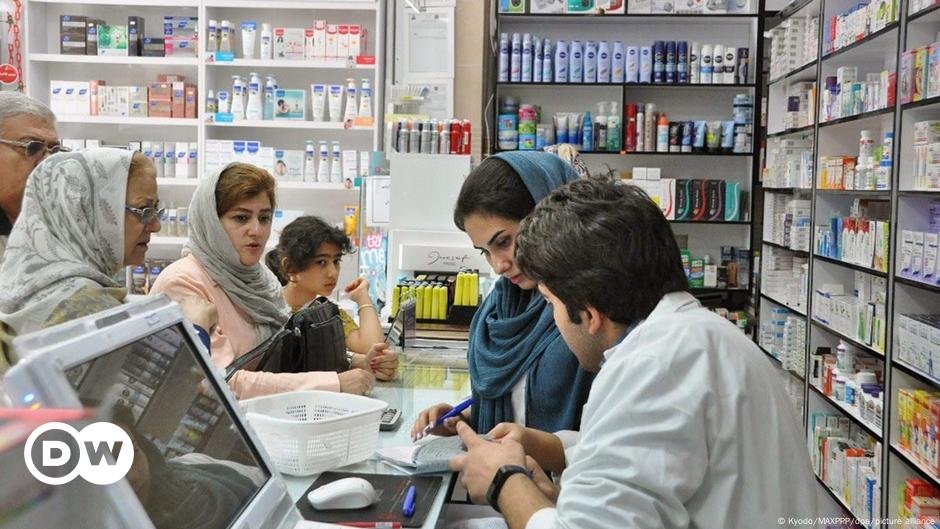
Medical treatment in Iran has become increasingly difficult to access due to long-standing sanctions, currency instability, and pressures on insurers. The ongoing conflict involving the US and Israel has exacerbated these challenges by disrupting regional supply routes, damaging health infrastructure, and intensifying strain on the pharmaceutical sector. Patients and healthcare providers describe a deepening crisis, with medicines disappearing from shelves, prices skyrocketing, and essential drugs rationed or unaffordable.
The country’s reliance on imported raw materials and foreign-made medicines means supply chain disruptions directly lead to domestic shortages and inflation. Even medicines exempt from sanctions face hurdles due to banking restrictions, which slow procurement and raise costs. Iranian officials claim strategic reserves and domestic production have prevented a total collapse, but firsthand accounts from patients and medical professionals suggest a more dire reality.

Hadi Ahmadi, a spokesperson for the Iranian Pharmacists Association, warned that the war could worsen shortages of critical production materials like aluminum and petrochemicals. This could further complicate manufacturing, even where existing stockpiles remain. Some medicines that were once scarce are now available but at prices that make them inaccessible to many.
Patients report exhausting efforts to find essential treatments. A diabetic patient in Rasht described insulin being sold at six times its usual price, while another individual with a chronic condition said they have only 18 days’ worth of medication. Social media and private groups have become vital for sharing information about scarce drugs, as traditional supply chains and informal networks falter.
As the crisis persists, the interplay of sanctions, conflict, and economic instability is likely to deepen. Future scenarios could include further shortages, heightened price inflation, and increased reliance on informal or international aid. However, the exact trajectory remains uncertain, dependent on evolving geopolitical and economic conditions.
Did You Know? Insulin in Iran has been rationed and sold at a sixfold markup following recent disruptions, highlighting the severe impact of supply chain and financial constraints on essential medications.
Expert Insight: The pharmaceutical sector’s vulnerability underscores the broader consequences of sanctions and conflict. Even minor disruptions in global supply chains can have cascading effects, as Iran’s reliance on imported materials leaves it particularly exposed. The situation reflects a fragile balance between domestic resilience and external pressures, with potential ripple effects on public health and social stability.
Frequently Asked Questions [What factors have contributed to the difficulty in accessing medical treatment in Iran?] Long-standing sanctions, currency volatility, and pressures on insurers have created systemic challenges. The recent conflict has worsened these issues by disrupting supply routes, damaging infrastructure, and increasing financial barriers to medicine procurement. [How have patients been affected by the crisis?] Patients report widespread shortages, with essential drugs like insulin rationed or sold at inflated prices. Many struggle to afford medications, leading to abandoned prescriptions and prolonged searches across multiple pharmacies. [What role do supply chains play in the crisis?] Iran’s dependence on imported raw materials and medicines means delays in transport and rising costs directly contribute to domestic shortages. Banking restrictions further complicate procurement, even for medicines not explicitly targeted by sanctions.
How might the situation evolve in the coming months, and what steps could alleviate the crisis?