

Medicare to Provide Weight Loss Drugs to Seniors via Temporary Program
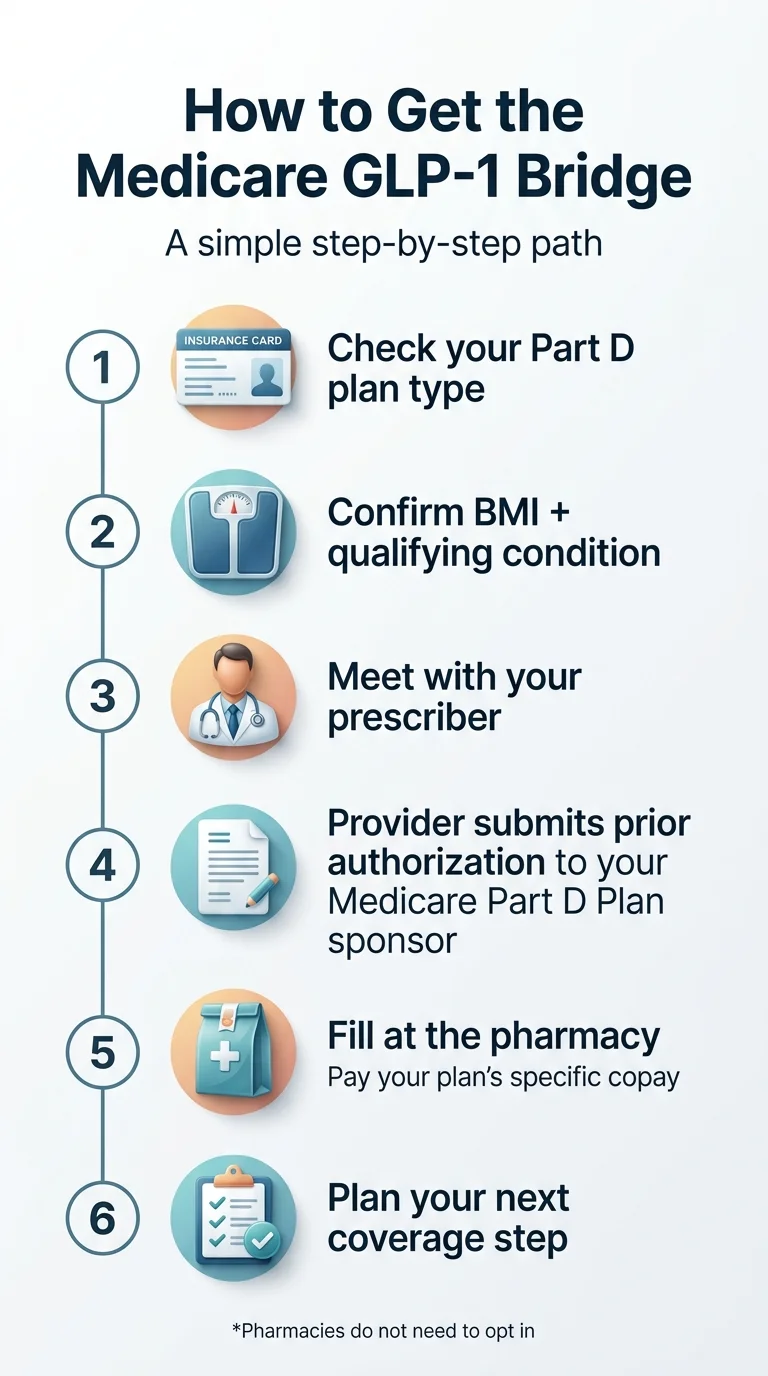
Starting next month, Medicare beneficiaries aged 65 and older will gain access to weight loss drugs for the first time through a federal demonstration program. While federal law currently prohibits Medicare from covering obesity medications, the Trump administration is circumventing this restriction by utilizing a temporary initiative to provide coverage.
How the Bridge Program Functions
The federal government is launching this coverage through the “Bridge” program. This initiative serves as a temporary substitute after private Medicare insurers declined to participate in a proposed three-year program known as BALANCE. Medicare originally intended for BALANCE to facilitate voluntary coverage of weight loss drugs following a short transitional period, but insurer hesitation led officials to extend the Bridge program until the end of next year instead.
Medicare is legally barred from paying for obesity drugs, necessitating the use of a demonstration program to bypass current statutory limitations.
Implications for Medicare Coverage
The reliance on a temporary demonstration program creates a complex regulatory landscape for both the government and patients. Because the program is intended to be temporary, it may become difficult for officials to end the coverage once it is established, as beneficiaries may come to rely on the continued availability of these treatments. The shift from the initially planned BALANCE program to the extended Bridge program highlights the challenges federal agencies face when attempting to coordinate with private insurers on new drug coverage mandates.
Samantha Carter notes that the transition from a long-term voluntary model like BALANCE to an extended temporary bridge suggests a significant friction between federal health policy goals and the private insurance market’s willingness to absorb the costs of weight loss therapies.
What May Happen Next
As the Bridge program is scheduled to run only until the end of next year, the future of obesity drug coverage for seniors remains uncertain. Analysts expect that the government may face pressure to either codify these benefits into permanent law or find a new mechanism to continue coverage if the demonstration program is not renewed. The current strategy serves as a placeholder, but it does not resolve the underlying legal prohibition against Medicare covering weight loss drugs permanently.
Frequently Asked Questions
Are obesity drugs currently covered by Medicare?
No. Federal law prohibits Medicare from paying for obesity drugs, which is why the government is using a temporary demonstration program to provide access.
What is the difference between the BALANCE and Bridge programs?
BALANCE was a proposed three-year program designed to encourage private Medicare insurers to voluntarily cover weight loss drugs. After insurers balked at the plan, the government opted to extend the temporary Bridge program instead.
How long will the Bridge program last?
The Bridge program is currently scheduled to remain in effect until the end of next year.
How do you think the potential end of the Bridge program will affect long-term access to weight loss treatments for seniors?