

Met Police to Expand Live Facial Recognition Surveillance in London West End
The Metropolitan Police Service (MPS) will deploy static live facial recognition (LFR) cameras across London’s West End and Soho by the end of this year. The rollout follows a six-month pilot in Croydon where police processed 470,000 pedestrians, resulting in 173 arrests. While the force claims the technology is essential for modern policing, civil liberties groups argue the deployment lacks specific parliamentary authorization and threatens the principle of policing by consent.
How does static live facial recognition work?
Static LFR involves police mounting cameras on temporary infrastructure, such as lampposts, to monitor pedestrian traffic in real-time. According to the MPS, these feeds are monitored remotely. When the software identifies a match against a pre-set “watchlist,” officers on the ground are alerted to stop and verify the individual’s identity. During the Croydon pilot, the force created bespoke watchlists up to 24 hours in advance, ensuring the data was deleted immediately following each of the 24 deployments.
The Metropolitan Police reported one false alert during the Croydon pilot, where an individual was stopped but released immediately after officers realized the error.
Why are critics concerned about biometric surveillance?
Civil liberties organizations, including Big Brother Watch, argue that the technology creates a “permanent biometric surveillance” state that undermines the British tradition of policing by consent. Jack Coulson, head of advocacy at Big Brother Watch, stated that the force is rushing to implement these systems before Parliament has passed dedicated legislation to regulate their use. Critics point to the case of Alvi Choudhury, a Southampton resident who was arrested and detained for ten hours in January after a retrospective LFR system incorrectly matched him to a crime in Milton Keynes. Coulson argues that the technology’s documented history of racial bias makes such errors predictable.
How does the Met plan to scale this technology?
Commissioner Mark Rowley announced on June 24 that the force intends to “significantly step up” its use of advanced technology to protect the public. This strategy includes three primary pillars:
- Live Facial Recognition: Expanding static camera deployments to high-traffic areas like Soho and the West End.
- Emergency Drone Networks: Implementing a city-wide aerial response system.
- AI Analytics: Utilizing artificial intelligence to process footage from London’s existing network of one million CCTV cameras.
What are the budget constraints facing the MPS?
The expansion of these surveillance tools comes amid significant financial friction. Commissioner Rowley noted that the MPS spends roughly £6,000 per person on technology, a figure he claims is less than half the budget allocated by other government agencies. The force recently faced a hiring setback when London’s deputy mayor for policing and crime, Kaya Comer-Schwartz, blocked a contract with US-based supplier Palantir. Consequently, the commissioner stated the force must cut approximately 700 frontline posts to manage current budget limitations.
To stay updated on the legislative progress regarding facial recognition, monitor the official UK Parliament website for upcoming bills concerning police use of biometric data.
Frequently Asked Questions
Is live facial recognition currently legal in the UK?
While the High Court recently rejected a challenge to the use of LFR, critics argue that the lack of specific, dedicated legislation means the technology is being deployed without a clear democratic mandate.
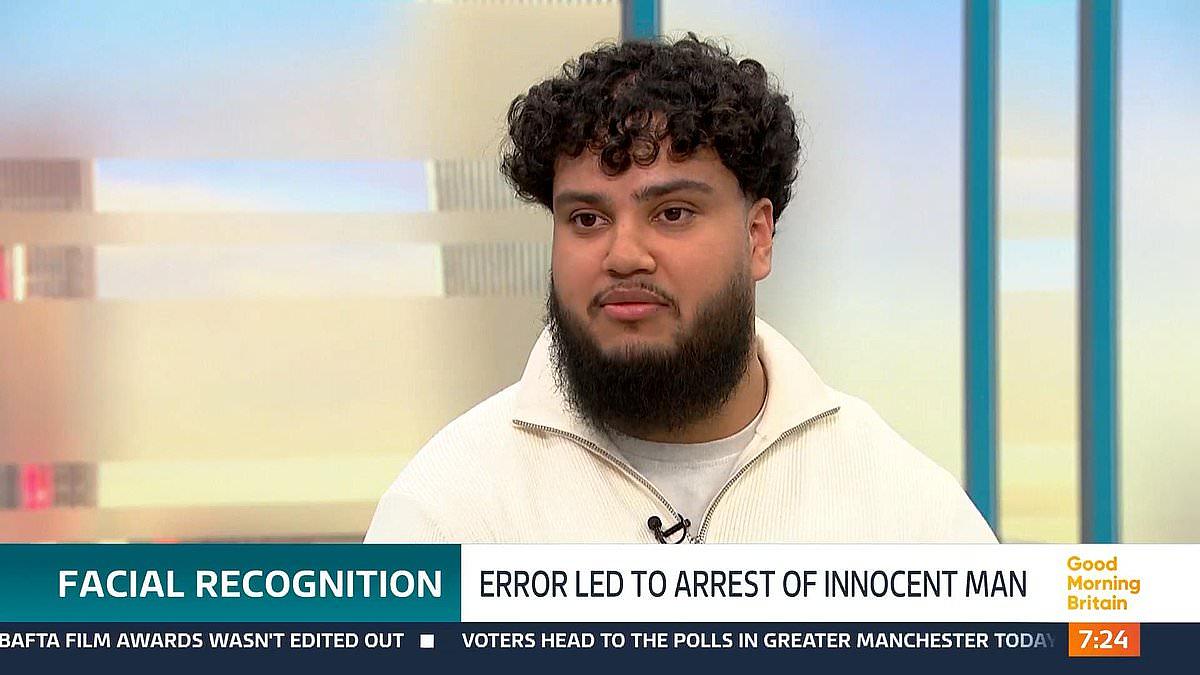
What happens if I am incorrectly identified by an LFR camera?
As seen in the case of Alvi Choudhury, individuals may be subject to detention while officers verify their identity. The MPS maintains that officers are trained to identify and rectify such errors on the ground.
How long is my biometric data stored?
The MPS states that for its static LFR deployments, watchlists are created 24 hours in advance and deleted immediately after the operation concludes.
What are your thoughts on the balance between public safety and digital privacy? Share your perspective in the comments below or subscribe to our newsletter for the latest updates on policing technology.