
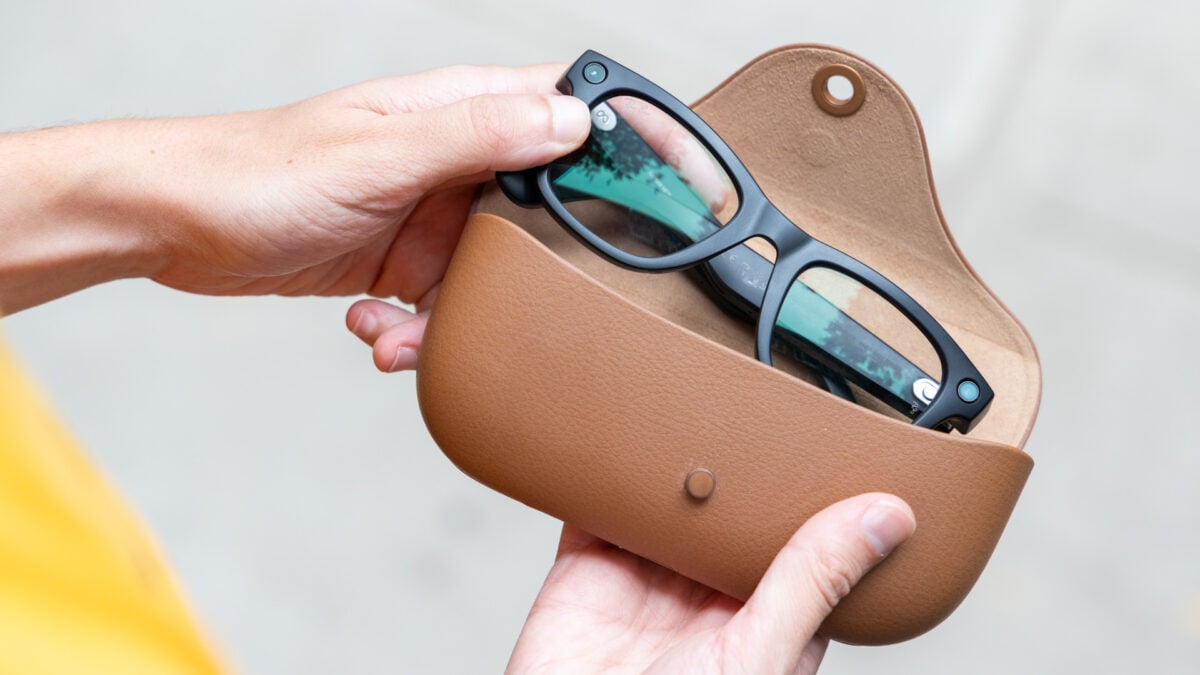
Meta Is Testing Police Surveillance Tech for Its Smart Glasses
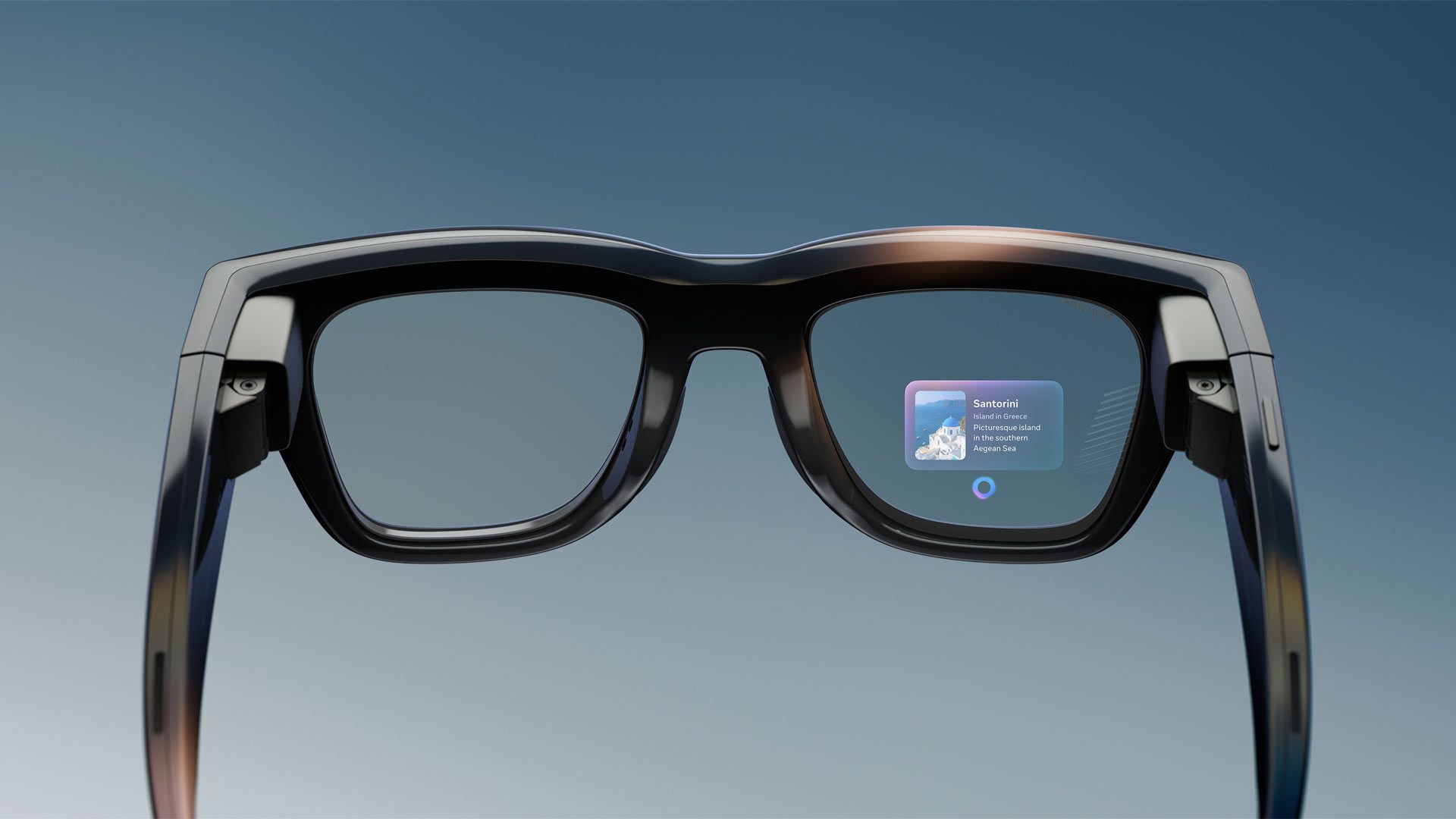
Meta is testing facial recognition software for its smart glasses developed by Rank One, a company that provides surveillance tools to the U.S. government, according to license documents obtained by Wired. The technology, found in dormant code within the Meta AI app, enables the identification of individuals and “liveness detection” to distinguish real people from photos or masks.
Who is Rank One and how does their tech work?
Rank One is a surveillance technology firm that contracts with several high-level U.S. government agencies. According to Wired, the U.S. Marshals Service uses Rank One’s software to identify prisoners without the need for fingerprinting. The firm’s capabilities extend to long-range identification and active surveillance.

The company developed a tool for the U.S. Special Operations Command capable of identifying a face from as far as one kilometer away. Additionally, the Naval Criminal Investigative Service (NCIS) utilizes Rank One’s technology for surveillance operations. Meta’s contract with the firm authorizes the use of both facial recognition and “liveness detection” software.
How did this software end up in Meta AI?
The presence of the software was discovered through a review of the Meta AI app’s code. Wired reports that a dormant facial recognition feature, referred to as “NameTag,” contains specific routines designed to load Rank One’s licenses and activate its software.
This feature has a volatile history. According to reports from Gizmodo, the facial recognition plans were secretly integrated into the Meta AI app before being abruptly removed. Despite the removal, a security researcher told Wired this month that the dormant code suggests the tool is “nearly ready to go.”
Why does the use of government surveillance tech matter for consumers?
The transition of military-grade surveillance into consumer wearables creates a significant friction point with privacy advocates. While military tech often trickles down to the public, the specific application of facial recognition in glasses allows for passive, constant scanning of bystanders.
U.S. lawmakers and civil rights groups have already expressed concerns over Meta’s smart glasses, according to Gizmodo. The use of a partner like Rank One complicates Meta’s position; the company must now convince users that software built for prisoner identification and military surveillance won’t be used for unauthorized civilian monitoring.
Will facial recognition become standard in wearable AI?
Industry trends suggest that “liveness detection” will become a baseline requirement for wearable AI to prevent spoofing. By ensuring a camera is seeing a real human rather than a photo, Meta can secure biometric authentication for payments or personal data access.
The move toward “NameTag” style features indicates a shift toward an augmented reality (AR) where digital identities are overlaid on physical people in real-time. However, the legal landscape remains unstable. Different U.S. states have varying biometric privacy laws, meaning a global rollout of Rank One-powered glasses could face immediate legal challenges in jurisdictions like Illinois.
Comparison: Consumer vs. Government Application
| Feature | Government Use (Rank One) | Proposed Consumer Use (Meta) |
|---|---|---|
| Primary Goal | Prisoner ID / Surveillance | Social Connection / AR Overlays |
| Key Capability | 1km Distance Identification | Liveness Detection / NameTagging |
| Client | U.S. Marshals, NCIS, SOCOM | General Public / Meta Users |
Frequently Asked Questions
What is Meta’s “NameTag” feature?
NameTag is a dormant facial recognition tool found in the Meta AI app code that reportedly uses Rank One software to identify people.
Who is Rank One?
Rank One is a tech firm that sells facial recognition and surveillance software to U.S. government agencies, including the U.S. Marshals Service and NCIS.
Is facial recognition currently active in Meta smart glasses?
No. While the code exists in the Meta AI app, Wired and Gizmodo report that the feature has been removed or remains dormant.
What is liveness detection?
It is a security feature that determines if a camera is viewing a live human being rather than a high-resolution photograph or a mask.
How should I react to these developments?
Users concerned about biometric privacy should monitor updates to Meta’s privacy policy and investigate the biometric laws in their specific region.
Do you think facial recognition in glasses is a step too far for privacy? Let us know in the comments below or subscribe to our newsletter for more updates on AI surveillance.