
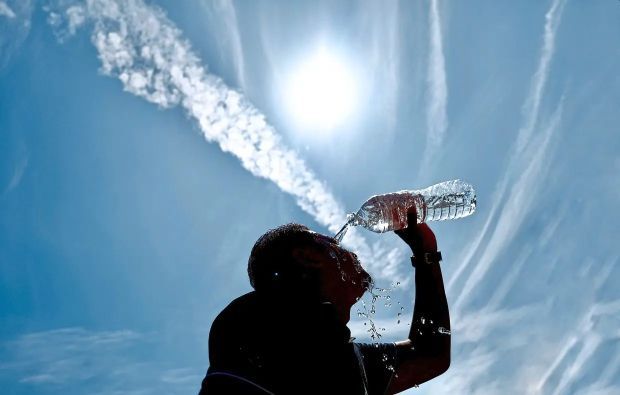
MetMalaysia: El Nino to peak between November and January
The Malaysian Meteorological Department (MetMalaysia) expects a weak El Nino to intensify and persist until early next year, peaking between November and January. Director-general Dr. Mohd Hisham Mohd Anip reports that below-average rainfall is likely through August, prompting agricultural agencies like Kada and Mada to implement emergency irrigation and pumping measures to protect padi crops.
How will El Nino affect Malaysia’s weather and farming?
Below-average rainfall is expected between June and August. Dr. Mohd Hisham Mohd Anip attributes this to the combined effects of El Nino and the south-west monsoon, which typically runs from May to September and brings drier weather to the region.
The current El Nino phase is categorized as weak but is expected to gradually intensify. According to MetMalaysia, the peak of this phenomenon will occur between November of this year and January 2027. To manage this, MetMalaysia provides national weather and climate advisories to relevant agencies every month, covering forecasts up to 30 days in advance.
What measures are agricultural agencies taking to prevent crop failure?
The Kemubu Agricultural Development Authority (Kada) has shifted to a rotational irrigation system. Chairman Khalid Abdul Samad stated this move optimizes available water and ensures equitable distribution across the irrigation scheme.
Kada has invested RM850,000 to build 130 tube wells and procure 50 pumps. These additions supplement a fleet of 88 booster pumps and 236 mobile pumps already in use. Khalid noted that these measures are critical because hotter, drier conditions challenge irrigation management, especially if water levels in Sungai Kelantan drop below normal for long periods.
A key technical upgrade is the Kemubu 4 Pumping Station, commissioned in February. Khalid said the station can continue operating even when river levels fall to approximately one metre, reducing the risk of total water failure during droughts.
How do Kada and Mada compare in their planting progress?
Both major agricultural authorities are pushing forward with planting schedules despite the weather risks, though their reported progress differs by metric.
| Agency | Key Progress Metric | Status/Projection |
|---|---|---|
| Mada | Pre-sowing activities | 100% complete |
| Mada | Land preparation | 94.8% complete |
| Kada | Projected cultivation area | 90% of granary |
While Mada has nearly completed land preparation, Kada is focusing on the viability of its cultivation area. Khalid Abdul Samad maintains that Kada does not currently foresee significant disruptions to planting operations, provided the irrigation infrastructure holds.
FAQs About El Nino and Malaysian Agriculture
When will the El Nino peak occur?
According to MetMalaysia director-general Dr. Mohd Hisham Mohd Anip, the peak is expected between November of this year and January 2027.
How is Kada ensuring water reaches all farms?
Kada has implemented a rotational irrigation system to distribute limited water resources equitably across its scheme.
What happens if river levels drop too low?
Kada utilizes booster pumps, mobile pumps, and tube wells to supplement water supplies. The Kemubu 4 Pumping Station specifically allows operations to continue at river levels as low as one metre.
Is the current planting season delayed?
No. Mada reports pre-sowing is 100% complete, and Kada states it is following the established planting schedule without significant disruption.
Do you think these irrigation measures are enough to offset a prolonged drought? Share your thoughts in the comments or subscribe to our newsletter for the latest climate updates.