

Microsoft Xbox Strategy: Shift Toward Profitability and Sustainability
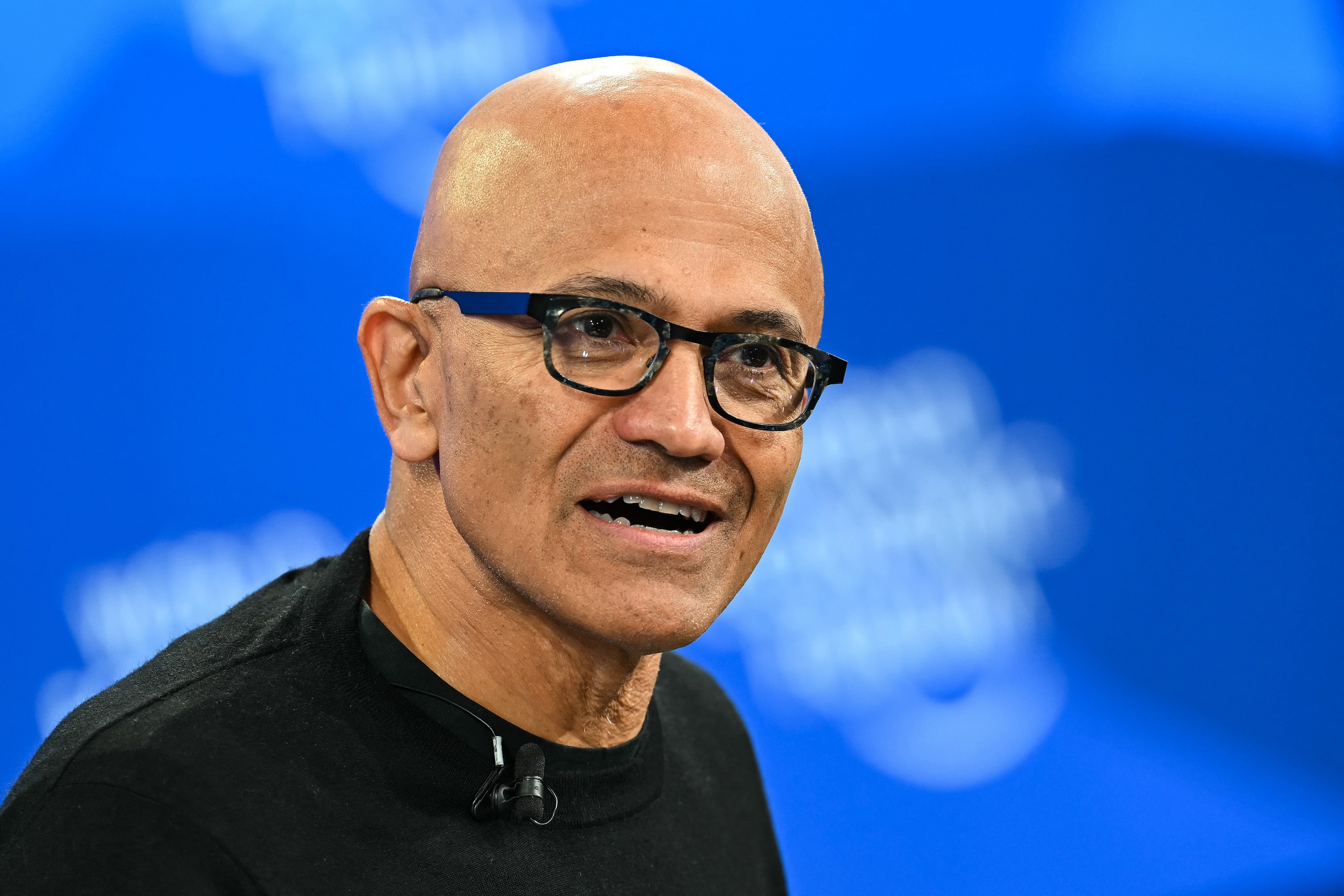
Microsoft CEO Satya Nadella has confirmed a plan to transition the Xbox division into a self-sustaining, profitable business. According to a recent Hard Fork interview, Microsoft is ending decades of non-reimbursable subsidies, shifting focus toward high-revenue franchises and a unified ecosystem across console, PC, mobile, and cloud platforms.
Why is Microsoft ending Xbox subsidies?
Microsoft has funded the Xbox division with non-reimbursable subsidies for 25 years, but Satya Nadella stated that this phase has ended. The company now requires the division to generate its own profit to resolve low profit margins.
During his Hard Fork appearance, Nadella highlighted a specific inefficiency in the current business model: YouTube currently generates more revenue from Xbox-related gaming content than Microsoft does from the games themselves. This disparity drove the decision to restructure how the company monetizes entertainment.
How will rising hardware costs change the Xbox strategy?
The cost of semiconductors and memory has risen sharply due to the global surge in artificial intelligence and cloud technology. Nadella noted that these costs directly impact consumer electronics, making traditional console hardware more expensive to produce.
While Nadella believes these price spikes are temporary, he is implementing a permanent structural solution. The goal is to merge console, PC, mobile, and cloud users into a single ecosystem. This strategy aligns with “Project Helix,” an initiative that may allow users to play PC titles directly on Xbox consoles.
The impact of AI on gaming hardware
The competition for high-end chips is no longer just between console manufacturers. Microsoft now competes with its own AI divisions for the same silicon and memory components, forcing a rethink of how hardware is priced and distributed to the end user.
Which Xbox games will be prioritized under new leadership?
Asha Sharma, who took over as Xbox CEO approximately 100 days ago, is revising the brand’s production strategy to ensure economic viability. The division will no longer fund a wide array of smaller, experimental projects.
According to Sharma, the company currently lacks the capacity to support more than one or two exclusive titles at this stage. The current focus remains on Gears of War: E-Day and Clockwork Revolution.
Investment is shifting toward established, high-revenue franchises. Microsoft will prioritize the following series:
- Halo
- Fallout
- The Elder Scrolls
Comparing the Old vs. New Xbox Business Model
The transition marks a clear departure from the “console war” mentality of the last two decades. The following table outlines the shift in corporate priority according to Nadella’s recent statements.
| Feature | Previous Model | New Strategy |
|---|---|---|
| Funding | Non-reimbursable subsidies | Self-sustaining profit |
| Hardware | Console-centric sales | Unified Cloud/PC/Mobile eco |
| Game Dev | Broad portfolio of exclusives | Focus on “Mega-Franchises” |
Frequently Asked Questions
Will Xbox consoles become more expensive?
Satya Nadella indicated that rising semiconductor and memory costs are impacting all consumer electronics. While he views these costs as temporary, the company is shifting toward a unified ecosystem to reduce reliance on expensive standalone hardware.
Is Microsoft canceling smaller Xbox games?
Asha Sharma confirmed a shift in funding. The company is reducing investment in smaller projects to concentrate resources on major franchises like Halo and The Elder Scrolls.
What is Project Helix?
Project Helix is a strategic vision to integrate the Xbox experience, potentially allowing PC games to be played directly on Xbox consoles as part of a unified ecosystem.
Do you think focusing on big franchises will help or hurt the Xbox ecosystem?