Middle East Conflict Fuels India’s Domestic Tourism Boom
The Great Indian Pivot: Why Domestic Tourism is the New Global Status Symbol
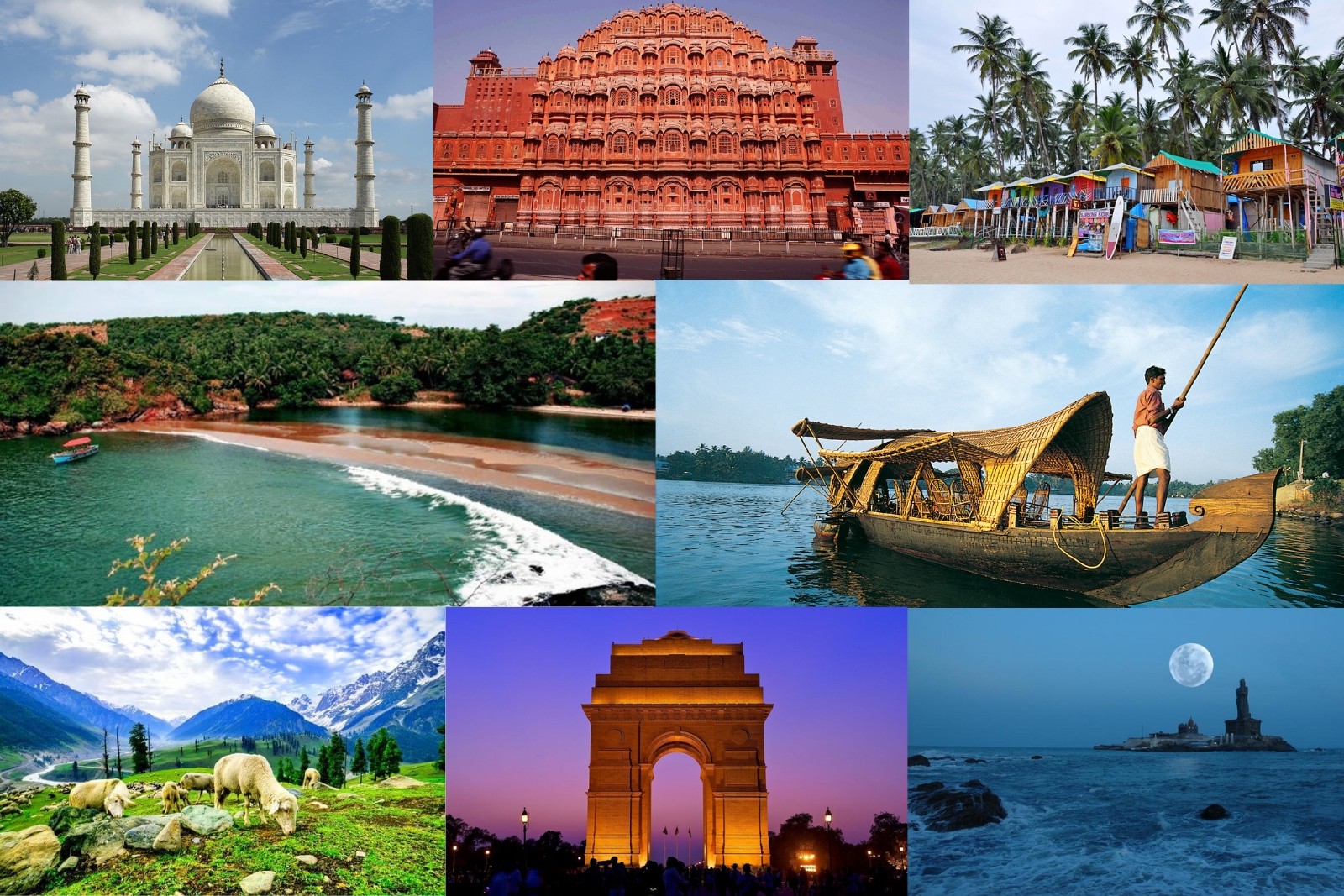
For years, the ultimate badge of success for the upwardly mobile Indian family was a summer stamp in the passport—a trip to the Swiss Alps, a cruise in the Mediterranean, or a shopping spree in Dubai. But today, the narrative is shifting. Driven by geopolitical instability in the Middle East and a weakening rupee, the “Great Indian Pivot” is underway, turning the country’s domestic tourism sector from a budget-friendly alternative into a high-end luxury powerhouse.
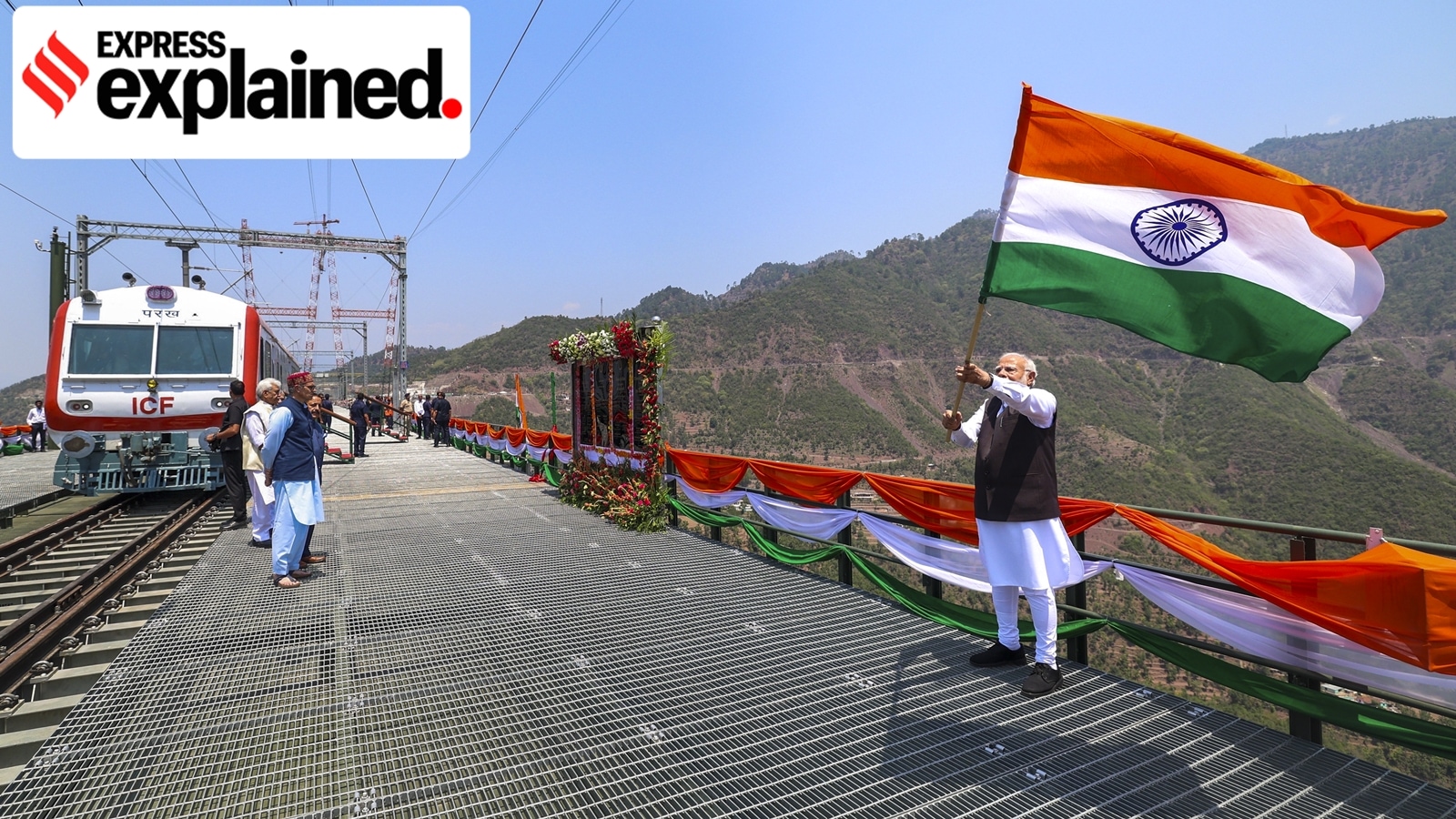
When Prime Minister Narendra Modi urged citizens to curb overseas travel to protect foreign exchange reserves, it wasn’t just a policy request; it was a catalyst. As energy prices climb and international airfares skyrocket, the Indian hospitality sector is seeing a transformation that is likely to last for years to come.
From Budget Choice to Luxury Destination
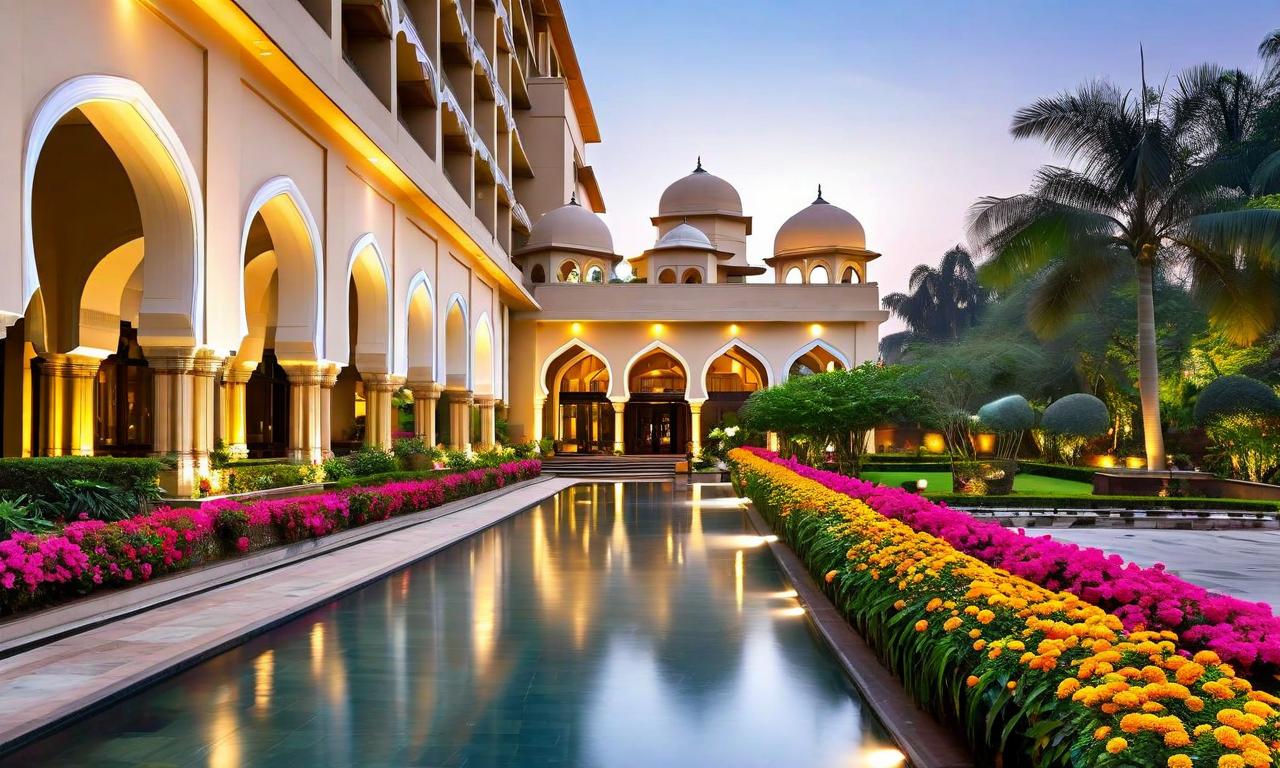
The days when domestic travel was viewed as a “second-best” option are long gone. Major hospitality players, including the Indian Hotels Company (the parent of Taj Hotels), are reporting a surge in demand that is outstripping supply. This isn’t just about weekend getaways; it is about high-net-worth individuals redirecting their luxury travel budgets toward local experiences.
Industry data from firms like Allianz Partners highlights that nearly 42% of travelers in major economies, including India, are now prioritizing local exploration. This shift is creating a “staycation” boom that has pushed revenue per available room (RevPAR) for major chains back into double-digit growth territory.
The “Big Fat Indian Wedding” Goes Local
Perhaps the most significant indicator of this trend is the destination wedding market. Industry estimates suggest that Indian weddings are a massive economic engine, generating upwards of $68 billion in business during peak seasons. Historically, the elite sought out international locales to host these celebrations. Now, the luxury domestic market is capturing this spend.
By keeping these celebrations within India, families are not only saving on logistics but also investing in high-end, bespoke domestic venues that are rapidly upgrading their infrastructure to meet global standards. This trend is expected to keep hotel occupancy rates high and room rates firm for the foreseeable future.
Beyond Tourism: The Infrastructure Backbone
This travel shift is happening in tandem with a broader economic evolution. As companies like Bharti Airtel expand their footprint and firms like Yotta Data Services project a $100 billion investment in India’s data centre ecosystem, the country is becoming a self-sustaining powerhouse. This domestic growth provides the digital and physical infrastructure needed to support a booming travel industry.
Future Trends: What to Expect
- Premiumization of Local Experiences: Expect more boutique, high-end properties to emerge in Tier-2 and Tier-3 cities as luxury travelers seek off-the-beaten-path experiences.
- Long-term Domestic Loyalty: Once travelers realise the quality and diversity of India’s landscapes, they are less likely to return to expensive, time-consuming international travel for every vacation.
- Sustainable Tourism: With the rise in domestic volume, there will be increased focus on sustainable and eco-friendly travel practices to preserve the very landscapes driving this boom.
Frequently Asked Questions (FAQ)
- Why is domestic travel in India booming right now?
- The combination of a weaker rupee, high international airfares due to fuel prices, and geopolitical tensions in the Middle East has made domestic travel a more cost-effective and convenient alternative for many Indians.
- Is this shift in travel trends permanent?
- Experts believe that the shift is structural. Once the hospitality industry upgrades its infrastructure to meet the demands of luxury travelers, the domestic market becomes a permanent, competitive alternative to outbound tourism.
- How does this affect the Indian economy?
- Keeping travel expenditure within India helps conserve foreign exchange reserves, supports local businesses, and creates jobs in the hospitality and service sectors, ultimately strengthening the domestic economy.
What are your thoughts on the rise of domestic luxury travel? Are you choosing local gems over international trips this year? Share your experiences in the comments below or subscribe to our newsletter for more insights on the Indian economy.