
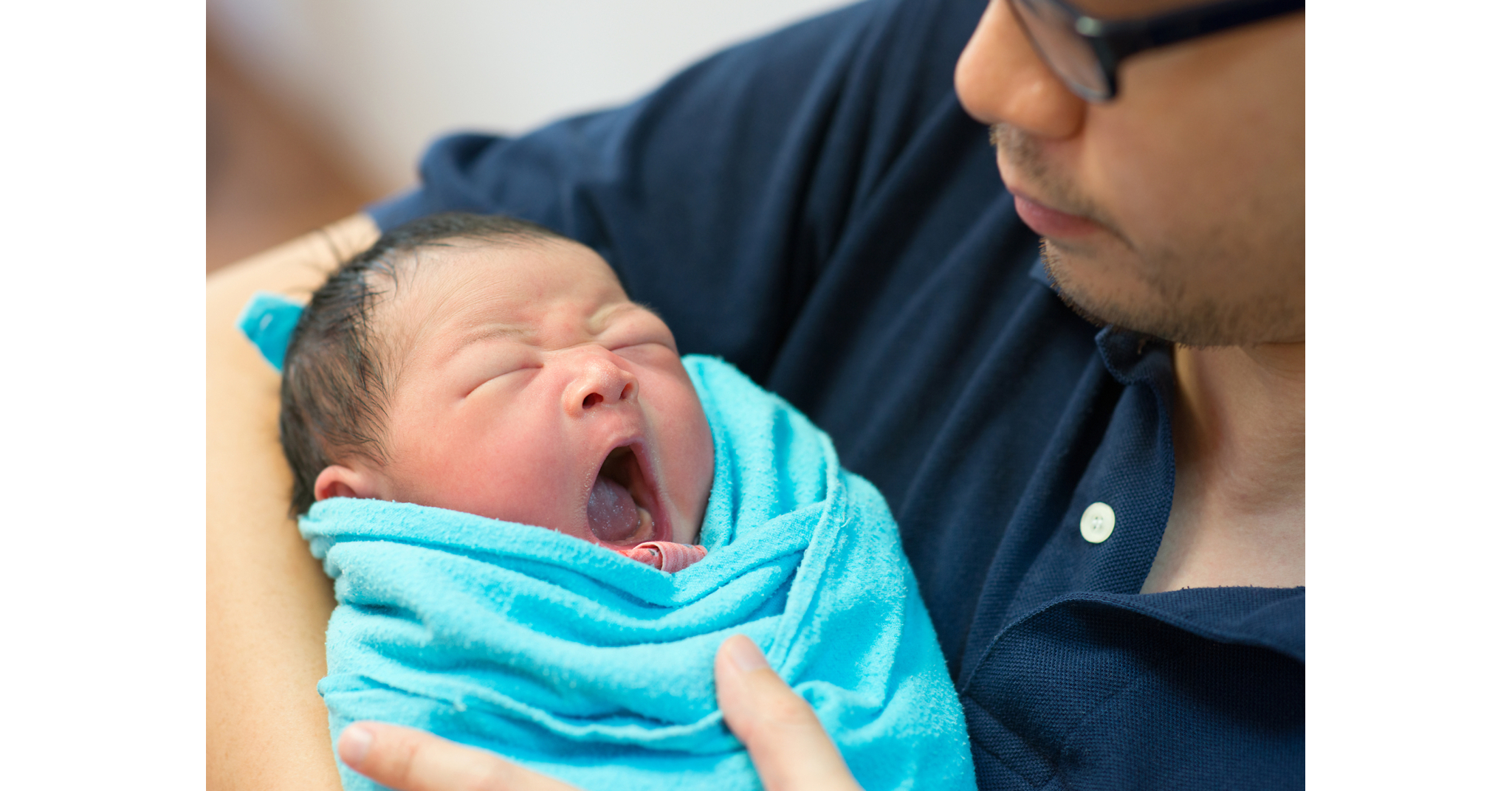
Millions of Fathers Suffer from Postpartum Depression, Anxiety and More, Yet Few Seek Help; Support Is Free, Accessible and Effective
One in five fathers report experiencing depression and anxiety symptoms during the first year after the birth of a child, according to data from Postpartum Support International (PSI). Despite these figures, many men remain unaware that their symptoms are treatable, often hindered by societal expectations that discourage them from seeking support.
The Prevalence of Paternal Mental Health Disorders
Perinatal mental health disorders (PMHDs) impact a significant portion of the fatherhood population. Research cited by PSI indicates that at least one in 10 men suffer from postpartum depression during the perinatal period, a timeframe that encompasses pregnancy and the year following birth. Furthermore, as many as 18% of fathers develop clinically significant anxiety disorders, including obsessive-compulsive disorder or post-traumatic stress disorder, during this same window.

The correlation between partners is also notable. Data suggests that as many as 50% of fathers experience PMHDs when their partner is also suffering. Despite these high rates, only 25% of affected fathers seek professional help, according to PSI.
Recognizing Symptoms and Accessing Care
Psychologist and PSI Advisory Board Chair Dr. Daniel Singley notes that men frequently exhibit depression differently than women. Symptoms in fathers may manifest as anger, frustration, or a withdrawal from relationships rather than overt sadness. Dr. Singley warns that this can lead to increased alcohol or substance use, which may cause friends and family to overlook the underlying mental health condition.

Postpartum Support International emphasizes that no formal diagnosis is required to access their resources. The organization provides a specialized support coordinator for fathers, an online provider directory, and a Perinatal Psychiatric Consultation Program for medical professionals. Dads can connect with these resources by calling the PSI Helpline at 1-800-944-4773 or by downloading the Connect by PSI app.
What Happens Next for Paternal Mental Health
As advocacy groups continue to push for a whole-family approach to perinatal care, there may be a shift in how medical providers screen for mental health issues. If clinicians begin to more consistently associate behavioral changes in new fathers with depression or anxiety, it is likely that more men will be identified and offered treatment earlier in the postpartum period.
Increased awareness efforts, such as the annual International Fathers’ Mental Health Day, may also lead to a reduction in the stigma that currently prevents many men from speaking out. As more peer-led support groups like the “Chats for Dads” meetings gain traction, it is possible that the gap between the number of men suffering from PMHDs and those receiving help will begin to narrow.
Frequently Asked Questions
What are the common symptoms of depression in new fathers?
According to Dr. Daniel Singley, men often show symptoms such as anger, irritation, frustration, or withdrawal from relationships, and may turn to alcohol or substance use.

Is there a specific time period for perinatal mental health disorders?
The perinatal period includes the time during pregnancy and the first year following the birth of the child.
Where can fathers find free support?
Fathers can access free support through Postpartum Support International by visiting postpartum.net, calling 1-800-944-4773, or using the Connect by PSI app.
How can we better support new parents in our own communities to ensure they feel comfortable seeking help?