

Mindanao Earthquake: 40 Missing and Massive Coastal Uplift
A 7.8 magnitude earthquake in Mindanao, Philippines, triggered a “coastal uplift” that extended the shoreline by up to 200 meters, according to the Ministry of Environment. The Philippine Institute of Volcanology and Seismology (PHIVOLCS) reports the movement of the Cotabato Trench lifted land by two meters, exposing and killing vast coral reefs and seagrass meadows.
How the Cotabato Trench Changed Mindanao’s Coastline
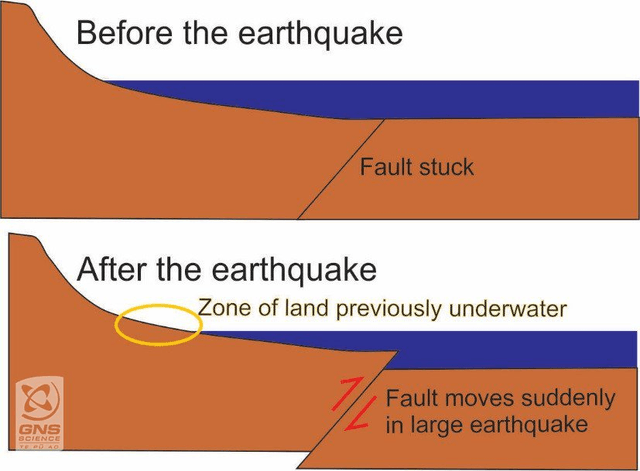
The geological shift occurred after a powerful 7.8 magnitude quake struck the region. According to PHIVOLCS, the movement of the Cotabato Trench—located 50 kilometers off the southern coast of Mindanao—pushed parts of the Sarangani and Davao Occidental provinces upward. This vertical shift effectively moved the coastline seaward, uncovering areas of the ocean floor that were previously submerged.
Measurements confirm the ground rose by approximately two meters. In some specific zones, this created new land extensions reaching 200 meters into what was once the sea. The Ministry of Environment noted that residents first reported these changes two days after the initial tremor.
Why Sudden Coastal Uplift Kills Marine Ecosystems
While land expansion might seem like a gain, the ecological cost is immediate and severe. The Ministry of Environment dispatched a team to the affected sites, where they found large sections of coral reefs and seagrass meadows completely exposed to the air. Because these organisms cannot survive without submersion, they began dying instantly.

The result is a massive biological die-off. Photos from the ministry’s regional office show expansive stretches of bleached, dying coral littered with dead fish and other marine creatures. An official speaking to AFP on Sunday stated that the total area of the impact hasn’t been fully determined yet.
Local residents expressed fears of toxicity. The decomposition of thousands of fish and marine organisms on the newly exposed land creates a risk of harmful emissions, leading to concerns about air quality and poisoning in the immediate vicinity.
Future Trends: Seismic Monitoring and Coastal Vulnerability
This event highlights a growing trend in “silent” trench activity. The Cotabato Trench’s pattern of thousands of micro-quakes preceding a major 7.8 magnitude event suggests that traditional monitoring may need to shift toward more granular, real-time data analysis to predict sudden uplift events.
Comparing this to typical sea-level rise trends, coastal uplift presents a contradictory but equally destructive challenge. While global warming causes gradual inundation, tectonic shifts cause “instant geography” changes. This forces coastal communities to rethink infrastructure, as harbors and fishing docks can become landlocked overnight.
Future resilience strategies will likely focus on “dynamic zoning.” Instead of static maps, authorities may need to implement flexible land-use permits in provinces like Sarangani and Davao Occidental, where the coastline is subject to sudden, drastic movement.
Frequently Asked Questions
What is coastal uplift?
Coastal uplift is a geological phenomenon where tectonic activity pushes the land upward relative to sea level, causing the shoreline to move outward and exposing the seabed.
Which areas in the Philippines were most affected?
According to PHIVOLCS, the provinces of Sarangani and Davao Occidental saw the most significant lifting of the coast.
Why are the coral reefs dying?
Coral reefs and seagrasses are marine organisms. When the land rose by two meters, they were left exposed to the air and sun, leading to rapid dehydration and death.
How many people are missing?
The disaster agency reported that at least 40 people are missing following the 7.8 magnitude earthquake.
Want to stay updated on geological shifts and environmental news?
Leave a comment below with your thoughts on coastal resilience or subscribe to our newsletter for the latest reports from the field.