

Mining Threatens India’s Aravalli Mountains and New Delhi’s Climate Buffer
The Concrete Hunger: Can India’s Urban Boom Survive Without the Aravallis?
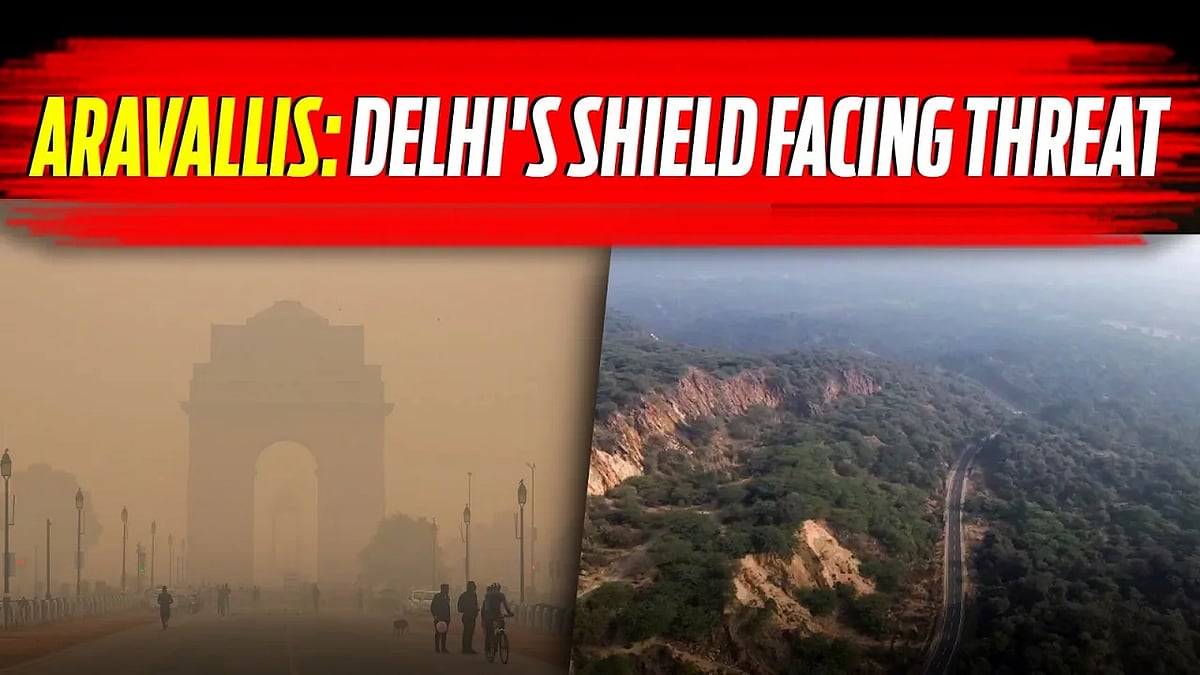
For decades, the Aravalli Range has served as a silent sentinel, a rugged spine of ancient rock and forest that stands between the encroaching Thar Desert and the sprawling metropolis of New Delhi. But this natural fortress is under siege. In regions like Neem ka Thana, the landscape is being rewritten by “dizzyingly deep pits”—the scars of large-scale mining designed to feed an insatiable demand for concrete.
As India continues its trajectory as one of the world’s fastest-growing economies, the tension between infrastructure development and ecological survival has reached a breaking point. The hunger for stone and minerals is no longer just a local industrial concern; it is a climate security risk.
The High Cost of Cheap Stone
The economics of urban expansion often prioritize the cheapest available materials. Crushed stone from the Aravallis provides an affordable foundation for the skyscrapers and highways of the National Capital Region (NCR). However, the “cheapness” of this material is an illusion created by ignoring environmental externalities.
When we blast away these hills, we aren’t just removing rock; we are dismantling a sophisticated heat-shield. Without this forested buffer, the “furnace-hot” desert winds of Rajasthan have a clear path to the capital, exacerbating the urban heat island effect and driving temperatures to lethal levels during the summer months.
Cooling the Capital: The Aravallis as New Delhi’s Life Support
The relationship between the Aravallis and New Delhi is symbiotic. The hills regulate the local microclimate and prevent the desertification of the plains. As mining strips the vegetation and levels the peaks, the region loses its ability to trap moisture and break wind patterns.
Looking forward, the trend is shifting toward Nature-based Solutions (NbS). Urban planners are beginning to realize that spending billions on air conditioning and artificial cooling is a losing battle if the natural cooling systems—like the Aravalli forests—are destroyed. The future of New Delhi’s habitability depends less on engineering and more on ecology.
Beyond the Ban: The Future of Environmental Governance
The recent intervention by India’s top court to ban new mining licenses is a landmark moment, but legality does not always equal reality. The challenge moving forward will be enforcement. In many areas, illegal mining continues under the radar, driven by a lucrative black market for construction aggregates.
We are likely to see a transition toward satellite-monitored conservation. Using high-resolution imagery and AI, environmental agencies can now detect new pits in real-time, moving from reactive policing to proactive protection. This shift in governance is essential to ensure that court orders are not just paper tigers.
From Legal Battles to Ecological Restoration
The next decade will likely see a move from “protection” to “restoration.” Simply stopping the mining isn’t enough; the deep pits must be reclaimed. Future trends point toward Miyawaki-style urban forestry and large-scale reforestation projects aimed at reconnecting fragmented wildlife corridors.
By treating the Aravallis as “green infrastructure,” the government can unlock funding from global climate funds focused on carbon sequestration and biodiversity.
Sustainable Alternatives: The Next Wave of Construction
If the Aravallis are to be saved, the construction industry must decouple its growth from mountain mining. We are seeing the emergence of a circular economy in building materials that could revolutionize how Indian cities are built.

- Recycled Concrete Aggregates (RCA): Using demolished building waste to create new concrete, reducing the need for virgin stone.
- Fly-Ash Bricks: Utilizing industrial waste from power plants to replace traditional clay and stone bricks.
- Engineered Timber: Exploring Cross-Laminated Timber (CLT) for mid-rise buildings, which sequesters carbon rather than releasing it.
For more insights on how cities are evolving, check out our guide on The Rise of Sponge Cities and our analysis of Climate Resilience in South Asia.
Frequently Asked Questions
Why are the Aravalli Hills important for New Delhi?
They act as a physical barrier against desert winds from the Thar Desert, regulate temperature and help in groundwater recharge for the region.
What is causing the degradation of the Aravallis?
The primary drivers are large-scale and illegal mining for construction materials, unplanned urbanization, and deforestation.
Can the damage to the mountains be reversed?
While the physical removal of rock is permanent, ecological restoration through reforestation and the filling of mining pits can restore biodiversity and climate-regulating functions.
What are the alternatives to mined stone in construction?
Recycled aggregates, fly-ash products, and sustainable timber are viable alternatives that reduce the pressure on natural mountain ranges.
What do you think? Should economic growth take precedence over ecological buffers, or is it time for a total ban on mountain mining? Join the conversation in the comments below or subscribe to our newsletter for more deep dives into environmental justice.