
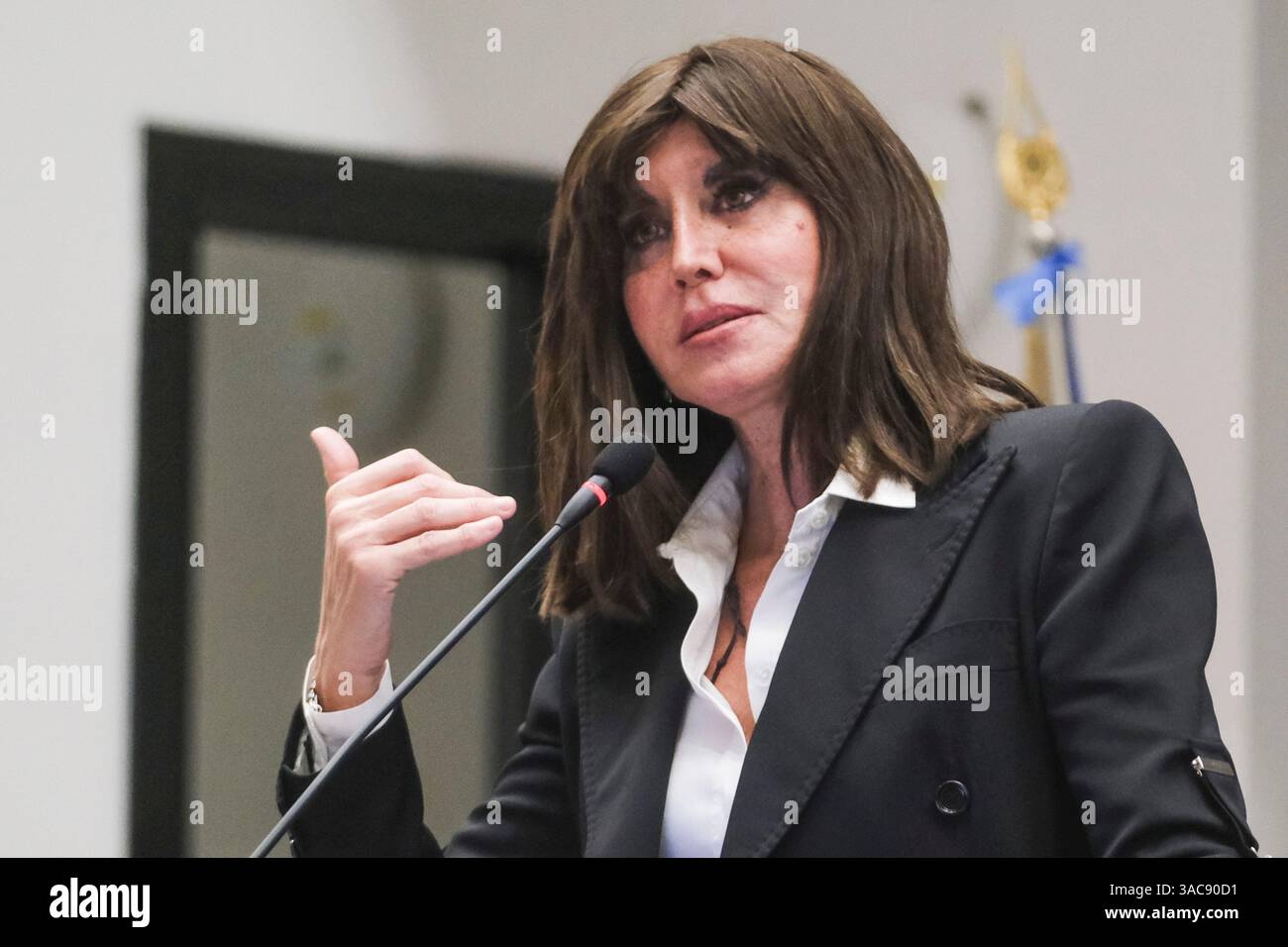
Minister Bernini Advocates for Integrated University-Hospital Medical Training
Minister Anna Maria Bernini has reopened discussions on the relationship between university doctors and hospital staff to address imbalances within the National Health Service (Ssn). Speaking at the Anaao Assomed national congress, Bernini acknowledged the validity of the medical union’s concerns regarding appointment transparency and specialist training models.
Bernini stated that the relationship between university and hospital physicians has not yet reached an appropriate level of balance. According to the minister, this recognition has led her to conduct additional preparatory work to address specific issues including clinicization and “automatisms” in professional roles.
Why is the relationship between university and hospital doctors being revised?
The revision aims to eliminate “silos” and jurisdictional boundaries that hinder patient care. Bernini told the congress that defining strict boundaries prevents the system from satisfying the needs of patients and specializing doctors.
The minister specifically endorsed Anaao’s requests for greater transparency in professional appointments. She asserted that “automatisms” cannot exist in the assignment of these roles.
How is specialist medical training changing?
Bernini clarified that a specializing doctor is not a student. While they participate in the daily life of a hospital ward, she stated they have a right to be trained and must not serve as substitutes for missing personnel.
The government has already implemented economic measures to support this transition. According to Bernini, these include increasing training contracts and raising both fixed and variable financial incentives.
High-quality training must be a collaborative effort. The minister expressed her conviction that educational offerings should be delivered jointly by both university and hospital doctors rather than by university staff alone.
What happens next for the Italian health system?
Current discussions in Parliament regarding specialty schools are a necessary step, though Bernini noted they do not fully resolve the nature of specialist training. Future adjustments may focus more on the training model itself rather than just school administration.
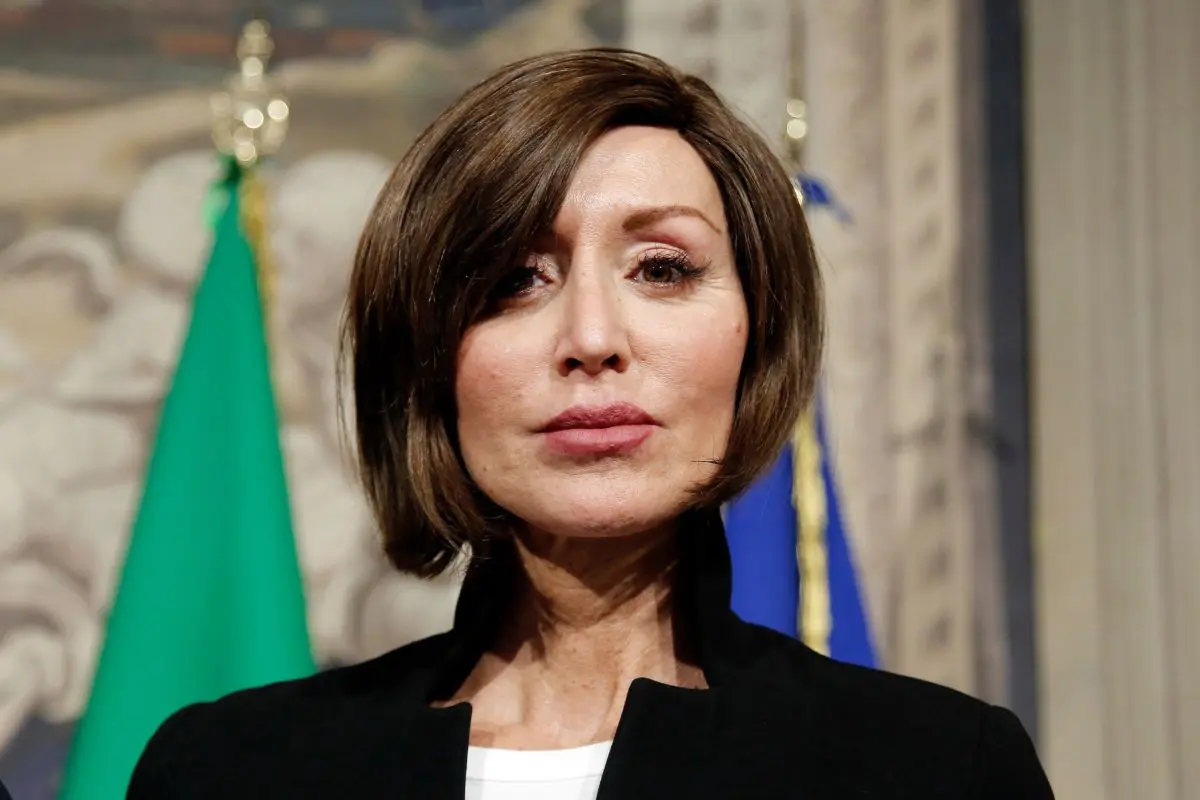
The system is likely to move toward “proximity medicine” and “sartorial” care tailored to individual patient needs. This shift may require new organizational models to accommodate changes in technology and patient health requirements observed since 2022.
Further integration between university and hospital actors could be a possible next step to ensure that those receiving care and those providing it are satisfied with the system’s delivery.
Frequently Asked Questions
What is the Minister’s position on specializing doctors?
Minister Bernini stated that specializing doctors are not students and should not be used as substitutes for missing hospital personnel.
What economic measures has the government taken for medical training?
The government has increased the number of training contracts and raised both fixed and variable economic incentives for specializing doctors.
How has medicine changed since 2022 according to the Minister?
Bernini noted changes in technology, patient approach, and health needs, leading to the rise of proximity medicine and translational medicine from laboratory to bedside.
Do you believe specializing doctors should be treated as staff members or students during their training?