
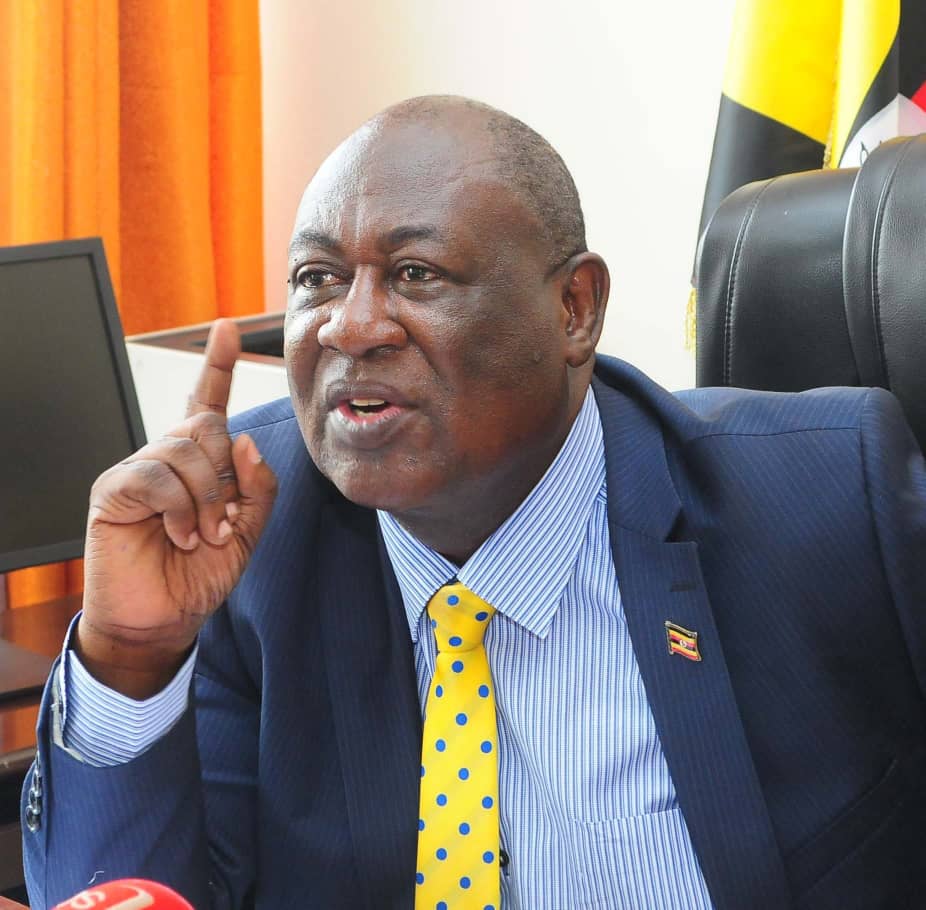
Minister Sam Mayanja Orders Cancellation of Controversial UCU and Church of Uganda Land Title
The Shifting Landscape of Uganda’s Land Tenure: Lessons from the Ntawo Dispute
The escalating conflict over the Ntawo land—involving Uganda Christian University (UCU), the Church of Uganda, and the estate of historical icon Hamu Mukasa—is more than a local property squabble. It serves as a high-stakes case study for the future of land governance in Uganda, highlighting the friction between colonial-era leaseholds and the complexities of modern land ownership.
The “Conversion” Controversy: A Legal Precedent
At the heart of the Ntawo dispute lies a critical administrative anomaly: the transformation of a 99-year lease into a freehold title. Minister of State for Lands, Dr. Sam Mayanja, has flagged this as a “clear administrative and legal error.” This case is likely to set a precedent for how the Ministry of Lands, Housing and Urban Development handles historical title disputes.
Across the country, many institutions holding land under colonial-era arrangements are now facing scrutiny. As records become digitized, “lost” titles and irregular conversions are increasingly coming to light. For landowners and institutions alike, the era of relying on historical ambiguity is coming to an end.
Why “Adverse Possession” Claims Are Facing Stricter Scrutiny
A recurring theme in Ugandan land law is the attempt to use adverse possession to secure rights. However, the minister’s recent stance reinforces a fundamental legal reality: you cannot claim adverse possession if you entered the land as a tenant. This distinction is vital for future land disputes involving NGOs, religious institutions, and educational bodies that occupy land under leasehold agreements.
As the 2026 expiration of the Hamu Mukasa lease approaches, we are likely to see a shift toward mandatory negotiations rather than legal brinkmanship. This signals a move toward a “settlement-first” culture in Ugandan property law.
The Future of Mailo Land and Institutional Stability
The Ntawo situation underscores the sensitivity of Mailo land. Unlike freehold or leasehold, Mailo land remains a cornerstone of cultural and historical identity in Buganda. Future trends suggest:

- Increased Digital Transparency: The National Land Information System (LIS) will make it harder for “irregular” titles to survive scrutiny.
- Stricter Enforcement: We are seeing a shift where security agencies are being tasked with upholding the rights of original mailo owners against institutional encroachment.
- The Rise of Mediation: With the judiciary pushing for Alternative Dispute Resolution (ADR), institutions will likely favor private, negotiated settlements over protracted courtroom battles that damage public reputation.
Frequently Asked Questions (FAQ)
What is the main difference between Mailo and Freehold land in Uganda?
Mailo land is a unique tenure system where the owner holds a permanent title (often with tenants on the land), while freehold land grants the holder absolute ownership of the land for an indefinite period.
Can a leasehold interest automatically become freehold?
No. A leasehold is a contractual agreement for a specific duration. Converting it to freehold requires specific legal processes and the consent of the original landowner; doing so without consent is considered an error in law.
What happens when a 99-year lease expires?
Once a lease expires, the land legally reverts to the original owner (the reversionary interest holder). The occupant must then negotiate a new lease or vacate the property.
Moving Forward: Protect Your Interests
Whether you are an individual landowner or a representative of a large institution, the Ntawo dispute serves as a reminder that proper documentation is your only shield. If you are currently dealing with land ambiguity, seeking professional legal counsel to review your historical title chain is the best way to avoid future conflict.
What are your thoughts on how land disputes between large institutions and families should be resolved? Share your opinion in the comments below or submit your own story to our editorial team.