
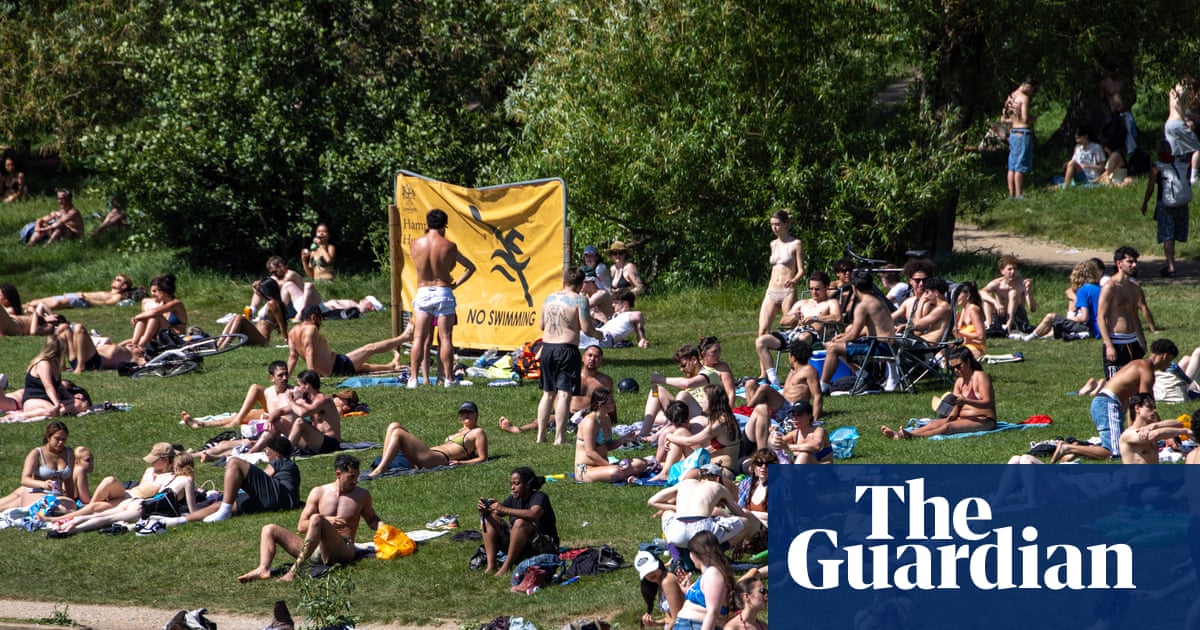
Ministers Demand End to Swimming in Protected Hampstead Heath Pond After Swan Disturbance
The Clash Between Urban Cooling and Wildlife Conservation
It is a classic tug-of-war: the human need for relief during scorching heatwaves versus the biological necessity of wildlife to breed in peace. The recent chaos at Hampstead Heath, where revellers ignored warning signs to plunge into protected ponds, is not an isolated incident. It is a symptom of a growing trend where urban boundaries are blurring, and nature reserves are being treated as public swimming pools.
As global temperatures continue to climb, we are seeing a surge in “climate-driven recreation.” People are no longer content with designated leisure centres; they are seeking “wild” experiences. However, when this desire for immersion ignores the boundaries of conservation, the result is often heart-wrenching—like the sight of a swan guarding a displaced egg in a crowded pond.
The “Heatwave Effect”: Why Our Parks Are Under Pressure
Urban heat islands make cities significantly hotter than surrounding rural areas. When temperatures hit record highs, the psychological drive to find water becomes overwhelming. This leads to “spontaneous trespassing,” where visitors bypass signage in search of immediate cooling.
Data from environmental agencies suggests that foot traffic in urban green spaces spikes by as much as 40% during extreme heat events. Without adequate infrastructure—such as designated “cooling zones”—the pressure on fragile ecosystems like nesting ponds becomes unsustainable.
From “Wild Swimming” to “Responsible Immersion”
Wild swimming has exploded in popularity, fueled by social media trends and a collective desire to reconnect with nature. But there is a dangerous gap between the “aesthetic” of wild swimming and the “ethics” of it. The trend is shifting toward a more regulated approach to ensure that human wellness doesn’t come at the cost of biodiversity.
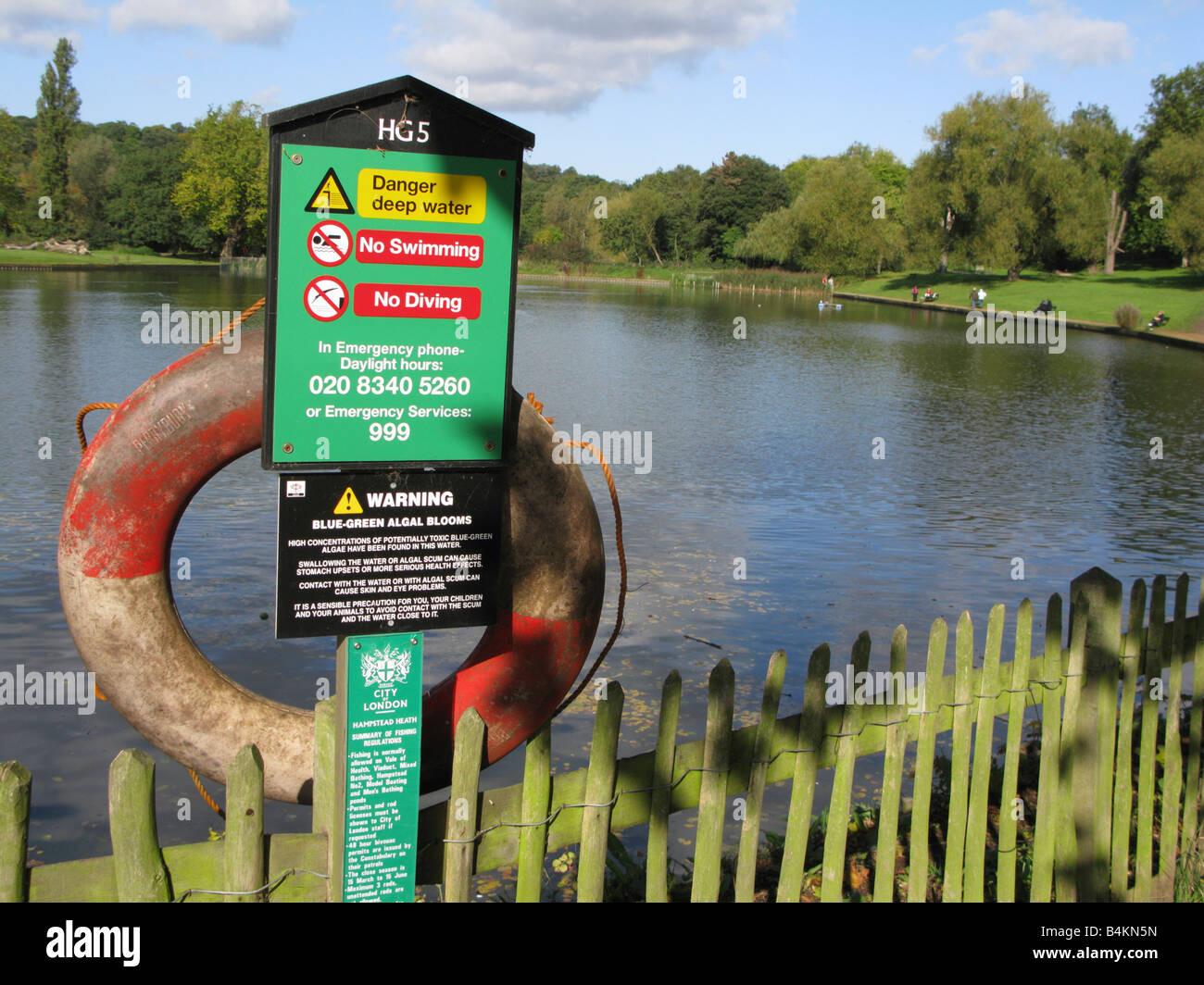
We are likely to see a move toward “seasonal zoning.” Instead of permanent signs, parks may implement dynamic closures—blocking off specific areas during breeding seasons (typically spring and early summer) and opening them only when wildlife has migrated or fledged.
The Legal Landscape: When Recreation Becomes a Crime
The intervention of government ministers in the Hampstead Heath case signals a tightening of enforcement. For years, many urban dwellers viewed “disturbing nature” as a minor faux pas. That is changing. We are entering an era of stricter accountability.
Expect to see an increase in the use of technology to protect these zones. From AI-powered cameras that detect human encroachment in protected areas to drones used for wildlife monitoring, the “invisible fence” of conservation is becoming very visible.
Future-Proofing Our Green Spaces
To prevent these conflicts, urban planners are rethinking how we integrate nature into cities. The goal is to move away from “protected pockets” and toward “integrated ecosystems” that provide for both humans and animals.
One emerging trend is the creation of Artificial Cooling Hubs—man-made swimming lagoons designed to mimic natural ponds but built specifically for human use. By providing a high-quality alternative, cities can divert the crowds away from sensitive breeding grounds.
“Eco-Literacy” is becoming a core part of urban education. The goal is to move from simply telling people “Don’t swim here” to explaining why—detailing the lifecycle of the coots, moorhens, and swans that call these ponds home.
Sustainable Urban Leisure: The Way Forward
The future of urban leisure lies in “low-impact” interaction. This includes the rise of boardwalks that allow humans to observe wildlife without stepping into the habitat, and the implementation of “quiet hours” for nature reserves.
By treating nature as a sanctuary rather than a playground, we can ensure that the next record-breaking summer doesn’t result in another viral video of ecological distress.
Frequently Asked Questions
Is wild swimming illegal?
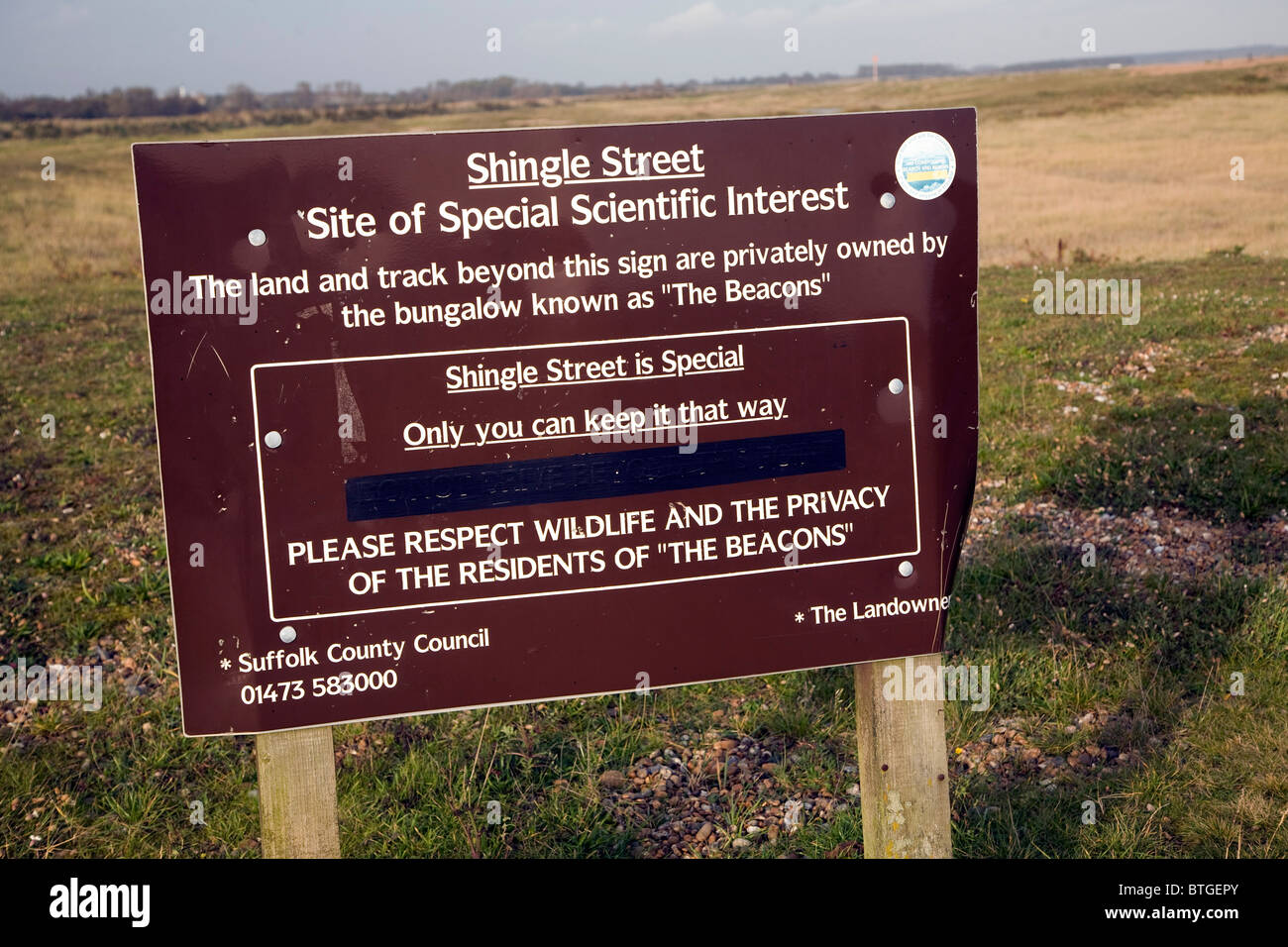
Wild swimming itself is generally legal in the UK, provided you have permission from the landowner and are not trespassing. However, swimming in protected nature reserves or SSSIs (Sites of Special Scientific Interest) can be illegal if it disturbs wildlife.
How can I tell if a pond is a protected area?
Look for signage mentioning “Wildlife Conservation Area,” “Nesting Birds,” or “Protected Habitat.” If in doubt, consult a map of local nature reserves or the local authority’s website.
What should I do if I see someone disturbing wildlife?
Avoid direct confrontation if it seems unsafe. Instead, document the incident with photos or video and report it to the local park authority or wildlife charities like the RSPB.
Join the Conversation
Do you think cities should build more artificial swimming lagoons to protect our wildlife, or is the responsibility solely on the visitor to follow the rules? Let us know in the comments below!
Want more insights on sustainable living? Subscribe to our weekly briefing.