
Ministers say Israel won’t be bound by Iran deal, as opposition castigates Netanyahu’s ‘absolute failure
US and Iranian officials announced a framework deal on June 15, 2026, to end the regional war, including a ceasefire between Israel and Hezbollah and the reopening of the Strait of Hormuz. Israeli Defense Minister Israel Katz rejected the withdrawal terms, vowing the IDF will remain in southern Lebanon to protect border communities.
Why is Israel resisting the US-Iran deal?
Defense Minister Israel Katz stated Monday that the Israeli military will not withdraw from security zones in Lebanon, Syria, and Gaza, regardless of external pressure. Katz said the IDF will remain in these areas without a time limit to protect Israeli communities from “jihadist elements.”
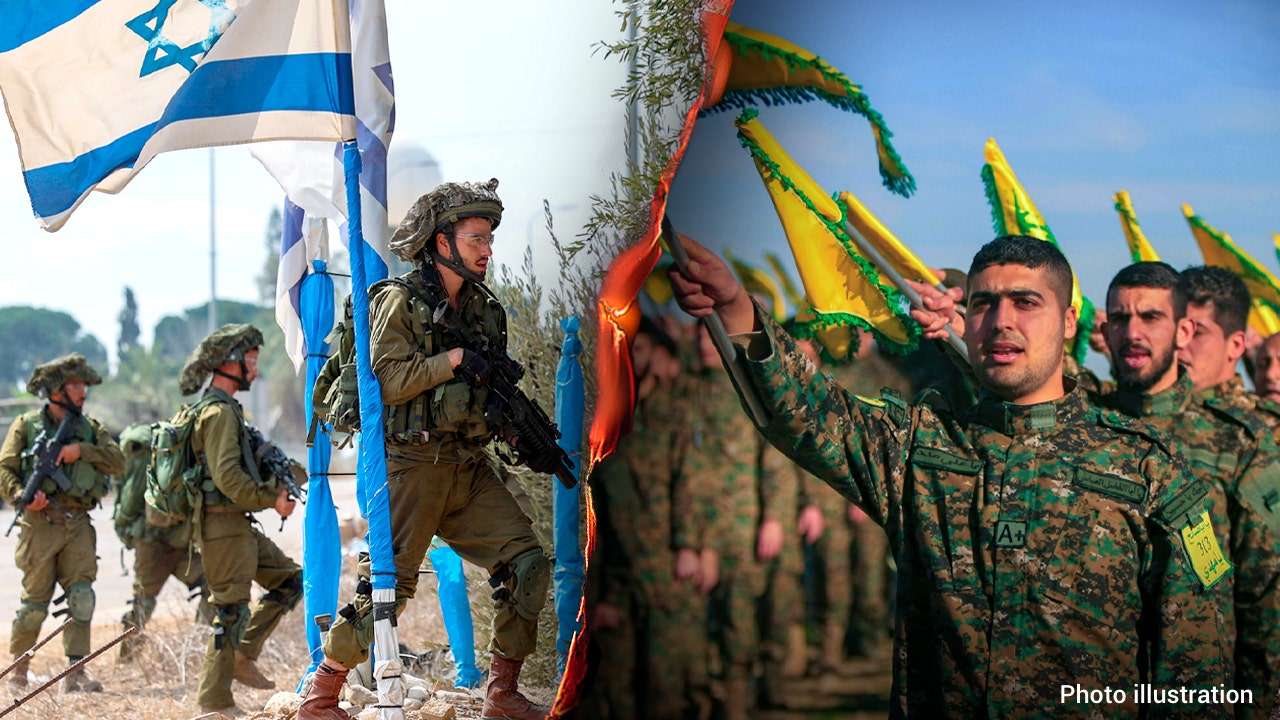
Katz clarified that these security zones will be cleared of local residents and that all terror infrastructure, including houses used as outposts, will be destroyed. He warned that if Iran attacks Israel due to events in Lebanon, Israel will strike back “with full force.”
What are the terms of the US-Iran framework?
According to US and Iranian officials, the agreement aims to halt the US blockade of Iranian ports and reopen the Strait of Hormuz. The deal initiates 60 days of negotiations regarding Tehran’s nuclear program.
Iranian and Pakistani sources report the framework also mandates a ceasefire in the conflict between Israel and Hezbollah. Iran’s Foreign Minister Abbas Araghchi told Turkish, Iraqi, and Egyptian counterparts on Monday that Israeli military action in Lebanon must stop completely.
The deal is scheduled for formal signing this Friday in Switzerland. It seeks to end a war launched in late February by the US and Israel against the Iranian regime.
How is the Israeli political establishment reacting?
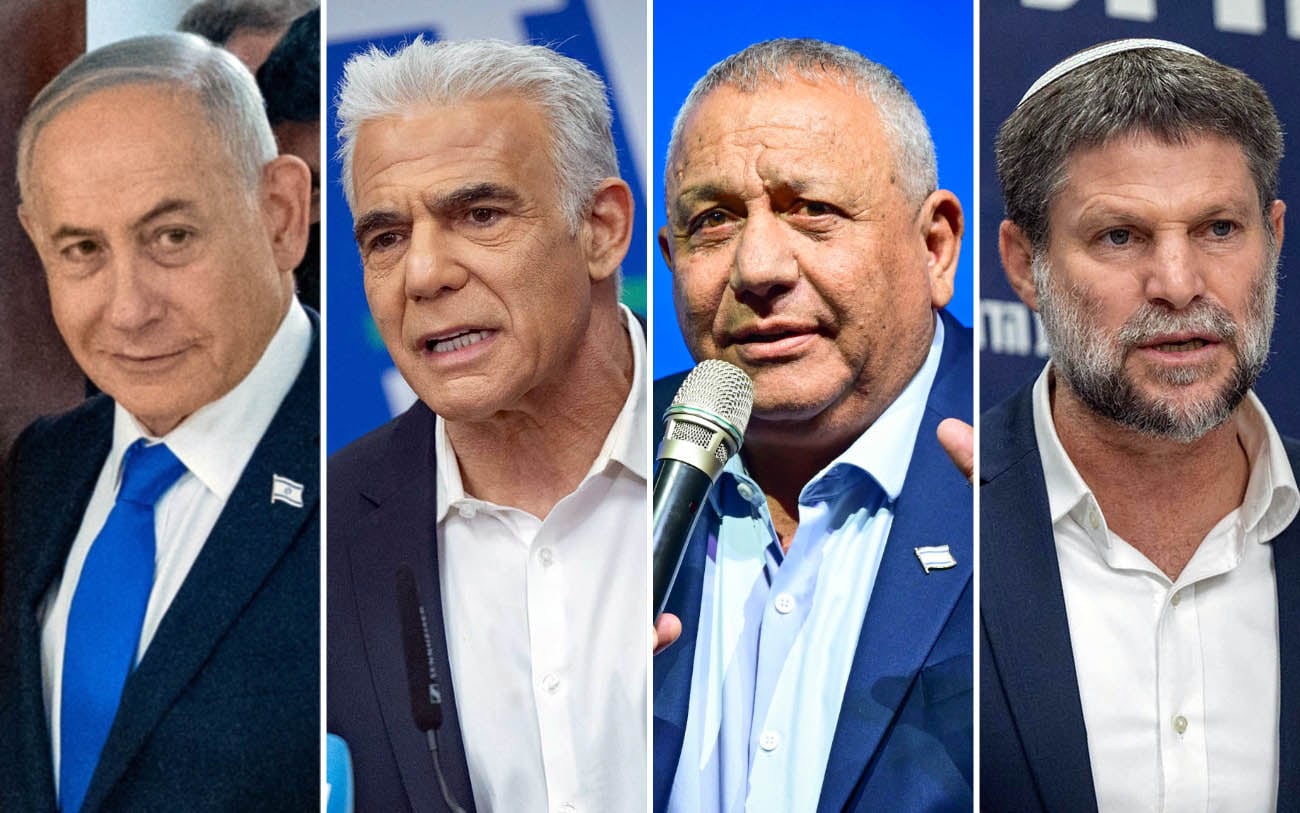
The agreement has triggered a divide across the Israeli political spectrum. Far-right Finance Minister Bezalel Smotrich called the deal “bad for Israel and for the entire free world.” National Security Minister Itamar Ben Gvir added that “Trump’s agreement does not bind us,” asserting that Israel is a sovereign country and not subordinate to the US.

Opposition leaders framed the deal as a diplomatic collapse. Opposition leader Yair Lapid told reporters that Prime Minister Benjamin Netanyahu “lost the war” and failed in the “moment of truth.” Lapid claimed the US president is effectively telling the Israeli prime minister, “I am your boss.”
Former prime minister Naftali Bennett argued the government failed to turn military achievements into lasting security. He claimed the leadership is “incapable of achieving a decisive victory” and proposed a strategic plan to collapse the Iranian regime using diplomatic and military means.
What did Donald Trump say about Benjamin Netanyahu?
President Donald Trump criticized Netanyahu’s judgment following an Israeli strike on Beirut that occurred while negotiations were finalizing. Trump told Axios that Netanyahu “has no fucking judgment.”
In a separate interview with The New York Times, Trump stated that Israel should be grateful for the US-led deal. “He’s a very difficult guy,” Trump said of Netanyahu, adding that without US intervention, Israel “wouldn’t be around for two hours” if Iran possessed a nuclear weapon.
Comparing the 2026 Deal to Prior Agreements
The current friction mirrors past diplomatic disputes, but with sharper internal Israeli divisions. Avigdor Liberman compared the current framework to the 2015 Obama-era nuclear deal, calling the 2026 agreement a “diplomatic disaster much worse” than its predecessor.
While the 2015 deal focused primarily on nuclear enrichment, the 2026 framework links nuclear talks to immediate territorial ceasefires in Lebanon and the reopening of global shipping lanes in the Strait of Hormuz.
Quick Comparison: Perspectives on the Deal
| Entity | Stance | Primary Concern |
|---|---|---|
| Israel Katz | Partial Rejection | Maintaining security zones in Lebanon |
| Yair Lapid | Opposed | Netanyahu’s diplomatic failure |
| Itamar Ben Gvir | Opposed | Israeli sovereignty vs. US influence |
Frequently Asked Questions
Will Israel withdraw from southern Lebanon?
Defense Minister Israel Katz has vowed that the IDF will remain in the security zones in Lebanon without a time limit, despite the US-Iran framework.

What happens to the Strait of Hormuz?
The agreement is expected to reopen the Strait of Hormuz and halt the US blockade of Iranian ports.
Was Israel involved in the negotiations?
No. Reports indicate that while Israel started the war alongside the US, it was not involved in the negotiations for this specific framework deal.
When will the deal be signed?
The agreement is set to be signed on Friday in Switzerland.
What do you think about the balance between US diplomacy and Israeli security needs? Let us know in the comments below or subscribe to our newsletter for real-time updates on Middle East diplomacy.