
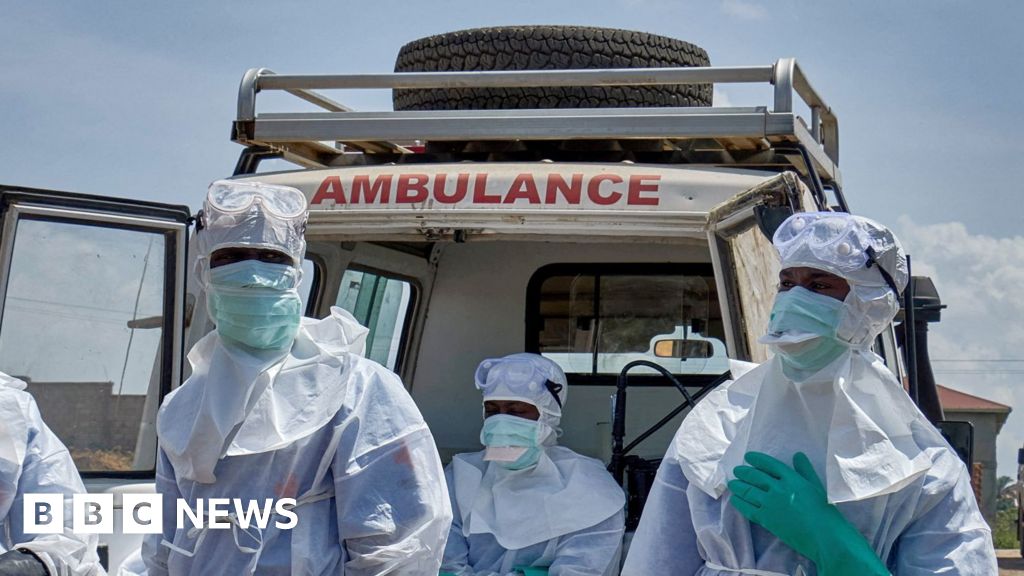
Misinformation and Fear Drive Attacks on Health Facilities During Outbreak
Health facilities are increasingly becoming targets of violence during disease outbreaks, driven by a surge in misinformation and public fear. According to the World Health Organization (WHO), attacks on healthcare workers and medical infrastructure have spiked globally, often coinciding with rumors regarding the origins of viruses or the efficacy of medical interventions. These incidents disrupt essential services and significantly increase mortality rates in affected regions.
Why are health facilities becoming targets?
Violence against medical facilities stems from a breakdown in trust between communities and health authorities. The International Committee of the Red Cross (ICRC) reports that when populations feel excluded from the planning of health interventions, anxiety often manifests as hostility toward clinics. During recent outbreaks, misinformation spread through social media platforms has falsely alleged that hospitals are sites of intentional harm rather than healing. This phenomenon creates a cycle where fear of the treatment prevents patients from seeking care, leading to higher death tolls and further fueling community resentment.
The WHO’s Surveillance System for Attacks on Health Care (SSA) documented hundreds of incidents in recent years, ranging from physical assaults on staff to the destruction of vaccination centers.
What are the future trends in healthcare security?
Experts anticipate a shift toward “community-led health security” to mitigate these risks. According to research from the Johns Hopkins Bloomberg School of Public Health, the most effective way to protect facilities is by integrating local leaders into the medical response chain. Instead of relying solely on armed security, which can heighten tensions, health organizations are increasingly investing in community engagement officers. These professionals work to debunk myths before they escalate into violence, ensuring that the facility remains a neutral zone for all residents.
How does digital misinformation affect physical safety?
The speed at which false claims travel online now outpaces the ability of health agencies to provide verified, life-saving information. A study by the Nature research group found that social media algorithms prioritize high-engagement content, which often includes inflammatory rumors about medical procedures. When digital misinformation targets specific hospitals, physical protests and vandalism frequently follow within days. Agencies like the Centers for Disease Control and Prevention (CDC) are now shifting their communication strategy to include “pre-bunking”—providing accurate information before rumors take hold—to prevent the digital-to-physical pipeline of aggression.
To verify health information during an outbreak, cross-reference social media posts with official bulletins from the WHO or your local Ministry of Health before sharing them with others.
Comparison: Traditional vs. Modern Security Models
| Feature | Traditional Security | Modern Community-Led |
|---|---|---|
| Primary Focus | Armed guards/barriers | Trust building/engagement |
| Response Time | Reactive | Proactive/Preventative |
Frequently Asked Questions
Why do people attack hospitals during an outbreak?
Attacks are usually driven by fear, lack of transparent communication, and the rapid spread of misinformation that portrays medical facilities as sources of the disease rather than solutions.
What can be done to keep medical staff safe?
Improving community engagement, employing local staff as liaisons, and using clear, non-technical language to explain medical interventions are proven ways to build trust and reduce hostility.
Are these attacks limited to specific countries?
No. While the intensity varies, the WHO has tracked attacks on healthcare infrastructure across multiple continents, proving it is a global issue tied to public perception.
Have you witnessed how misinformation impacts health services in your community? Share your thoughts in the comments below or subscribe to our health policy newsletter for ongoing updates on global medical security.