
MIT’s Initiative for New Manufacturing Marks One Year of Driving Industrial Innovation
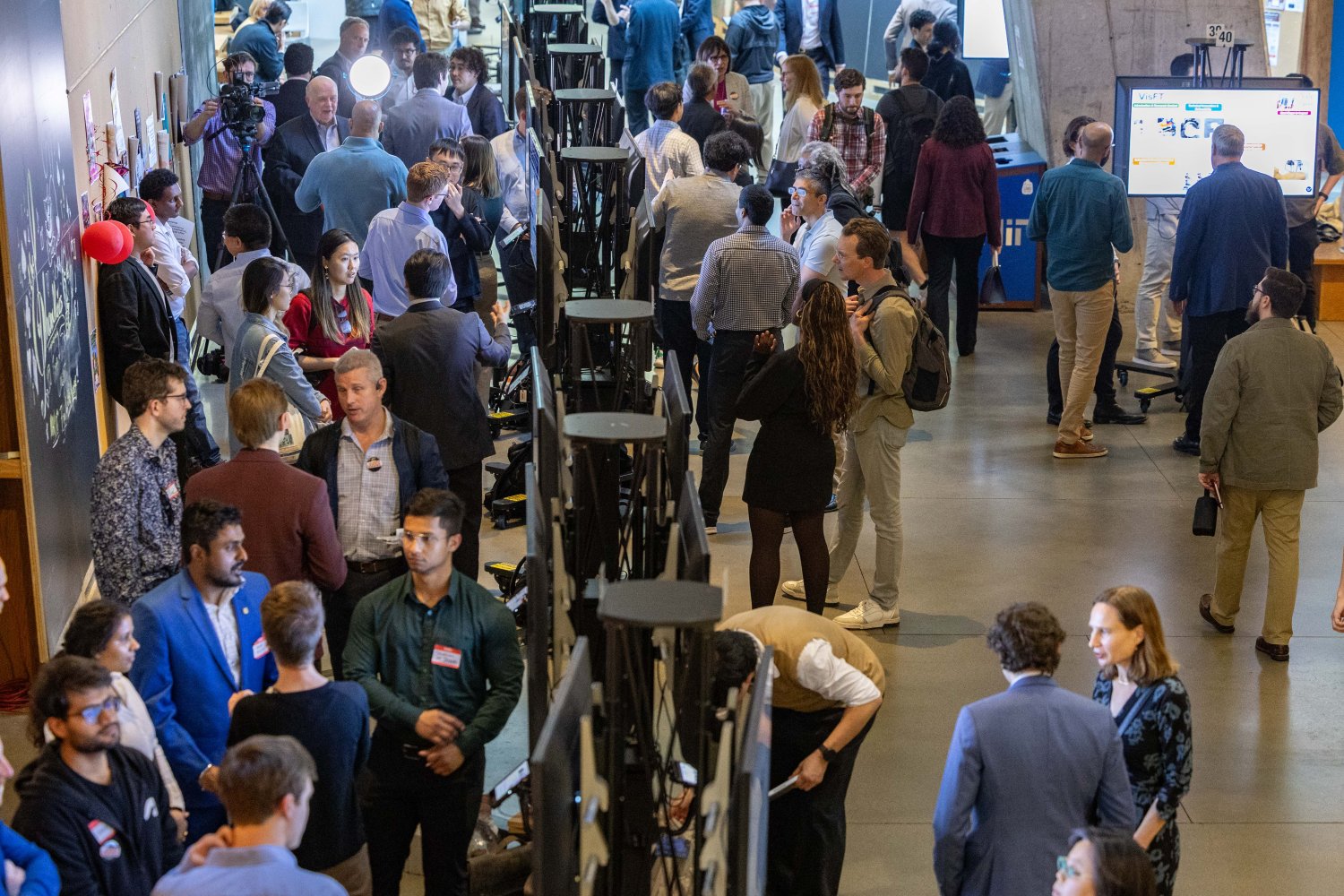
The Massachusetts Institute of Technology’s Initiative for New Manufacturing (INM) marked its first anniversary this May by hosting MIT Manufacturing Week, an event series that drew over 800 participants to address the future of the industrial sector. The initiative, which launched to coordinate responses to industrial challenges, currently focuses on integrating artificial intelligence, robotics, and advanced materials into factory operations while addressing workforce shortages through new training programs.
Did You Know? During the inaugural MIT Manufacturing Week, First Solar joined the INM consortium as its eighth industry member, signaling a growing industry-wide effort to address complex manufacturing hurdles like supply chain resilience and industrial competitiveness.
How the Initiative Supports Manufacturing Innovation
INM aims to bridge the gap between laboratory research and real-world industrial application. By partnering with organizations like NSF I-Corps New England, the initiative facilitates the translation of early-stage technologies into scalable businesses. During the recent research showcase, 40 finalist teams from 17 universities competed for $50,000 in prizes, highlighting themes such as autonomous assembly, biomanufacturing, and next-generation shipbuilding.

John Hart, INM faculty co-director and head of the Department of Mechanical Engineering at MIT, stated that entrepreneurship serves as a vital pathway for taking research to market. The initiative’s strategy involves connecting academic researchers with industry leaders, investors, and experienced founders to accelerate the pace of industrial innovation.
Addressing Workforce and Global Challenges
To combat labor shortages, MIT launched the Technologist Advanced Manufacturing Program (TechAMP) this fall. Led by Principal Research Scientist John Liu, the program trains “technologists” at six sites across New England, including three community colleges. The initiative is currently exploring a national rollout of this program, which focuses on developing shop floor leaders capable of managing modern, automated manufacturing environments.
The initiative is also expanding its reach beyond domestic borders. According to INM faculty co-director Chris Love, the organization is collaborating with NAMTECH in Ahmedabad, India, to adapt MIT’s fundamental manufacturing courses for international students. This effort seeks to rekindle the relationship between production and innovation, a concept highlighted in MIT’s 2013 Production in the Innovation Economy (PIE) study.
Expert Insight: The rapid expansion of INM suggests a shift in how elite academic institutions engage with the industrial base. By positioning itself as a central hub for both startups and established corporations, MIT is attempting to reduce the “valley of death” that often traps research in university labs, potentially setting a new standard for how universities influence domestic industrial policy and workforce preparedness.
What May Happen Next
Looking toward the coming year, the INM plans to increase its engagement with industry leaders and provide additional support for emerging entrepreneurs. Projections from the initiative indicate a likely expansion of the TechAMP program into new states and a broader focus on specific sectors, including biomanufacturing and semiconductor production. Additionally, the initiative is expected to release a series of eight white papers in June, which will provide further analysis on the long-term future of manufacturing.

Frequently Asked Questions
What was the primary focus of the recent MIT Manufacturing Week?
The week-long event focused on deploying artificial intelligence on factory floors, workforce development, emerging technologies, and the role of startups in industrial transformation.
Who are some of the industry partners involved in the INM consortium?
Current industry members include First Solar, Amgen, Autodesk, GE Vernova, Flex, PTC, Sanofi, and Siemens.
What is the goal of the TechAMP program?
The Technologist Advanced Manufacturing Program (TechAMP) aims to create a new generation of shop floor leaders, or “technologists,” who can drive productivity and manage the adoption of new technologies in manufacturing firms.
How do you believe the integration of AI and robotics will reshape the daily responsibilities of the future manufacturing workforce?