
Modern Horror Movies Officially Have a Secret Weapon, and It’s Hidden in Plain Sight
Modern horror filmmakers are increasingly using the “creepy smile” to generate dread without relying on traditional monsters. In films like Smile, Obsession, and the Evil Dead franchise, the grin is transformed from a sign of happiness into a tool for supernatural warnings, psychological deterioration, or pure malice.
Why is the smile such an effective tool in modern horror?
Filmmakers return to the image of a smile because it is universally familiar. This familiarity allows directors to twist common expectations, turning a positive expression into something unsettling.
This technique is evident in movies like Truth or Dare and through characters like Art the Clown, played by David Howard Thornton in Terrifier. These films rely on the basic discomfort created when a friendly expression is used in a threatening context.
How did ‘Smile’ transform the grin into a horror icon?
Director Parker Finn built the identity of the Smile franchise around the grin rather than just its curse mythology. In these films, victims smile immediately before their deaths, and strangers in the background wear unnatural expressions.
This association teaches the audience to link the smile with imminent danger. By doing so, the franchise creates tension long before any physical violence occurs, turning an ordinary facial expression into a recognizable piece of horror iconography.
What makes the smiles in ‘Obsession’ different?
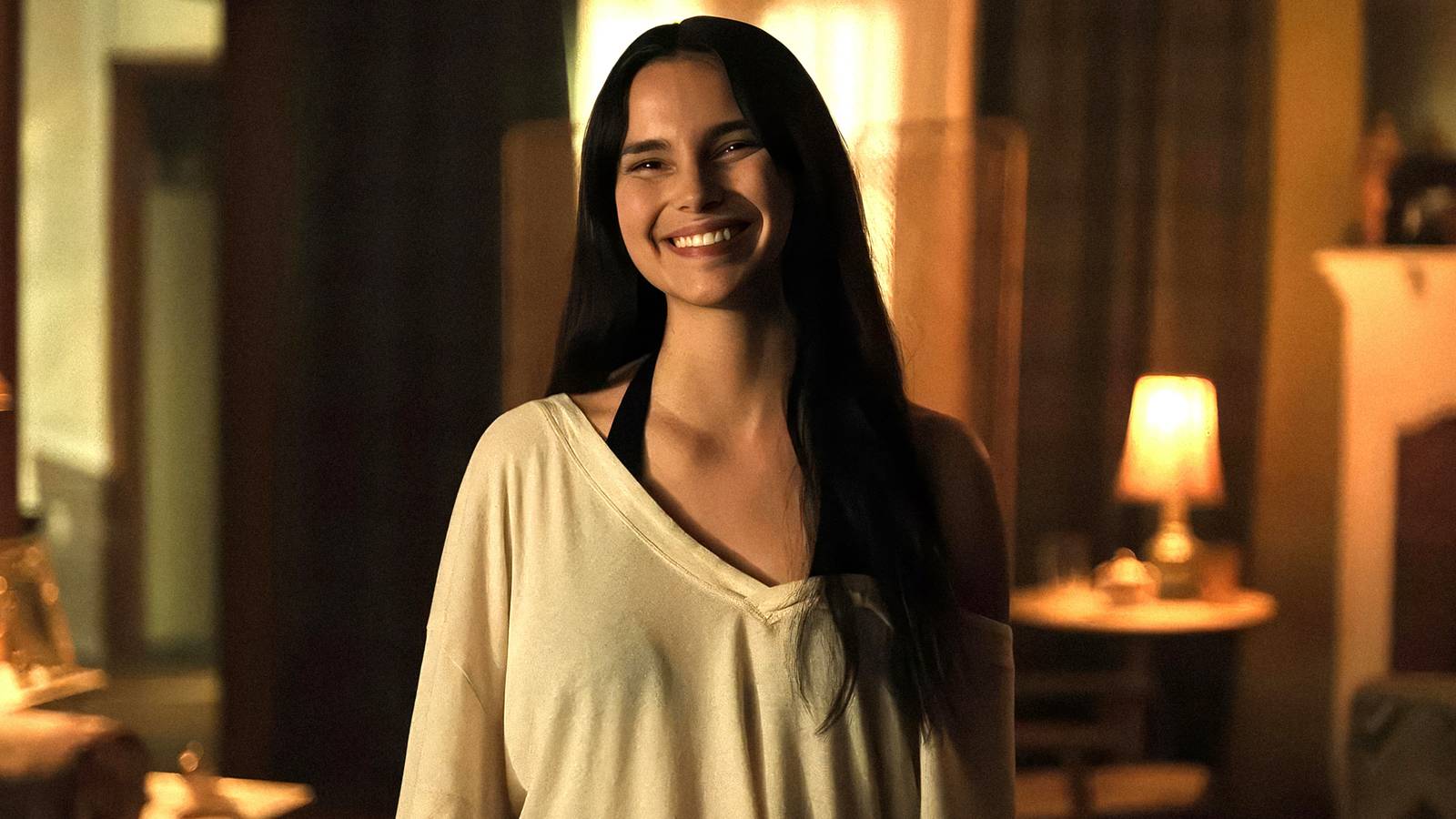
In the film Obsession, released May 15, 2026, director Curry Barker uses the smile to tell a more tragic story. The character Nikki, played by Inde Navarrette, is a victim of a wish made by the character Bear.
Unlike the warnings in Smile, Nikki’s smiles reflect the loss of her autonomy. The expressions highlight the disconnect between the real Nikki and the fractured version of her created by the wish, signaling her psychological deterioration without needing elaborate special effects.
How does ‘Evil Dead’ use smiles to convey cruelty?
The Evil Dead franchise uses the smile to advertise malice rather than hide it. Deadites smile because they genuinely enjoy the suffering of others, using the expression to mock and taunt their victims.
A prominent example is Alyssa Sutherland’s performance in Evil Dead Rise, where her character Ellie grins through a door peephole to torment her family. This tradition of using smiles as extensions of cruelty is expected to continue in the upcoming Evil Dead Burn.
What may happen next for the horror genre?
Given the flexibility of the image, filmmakers may continue to develop new ways to weaponize familiar human gestures. Future entries in the genre could likely expand this trend by applying similar psychological twists to other common social cues.

As the industry moves away from traditional creature effects, the reliance on subtle behavioral shifts—like those seen in Obsession—may become a standard for psychological thrillers seeking to create atmospheric tension.
Frequently Asked Questions
How does the meaning of the smile differ between ‘Smile’ and ‘Obsession’?
In Smile, the grin functions as a supernatural warning sign of impending death. In Obsession, the smile represents the tragic disappearance of Nikki’s autonomy and her internal fracture due to Bear’s wish.
Who is Art the Clown?
Art the Clown is a character played by David Howard Thornton in the movie Terrifier who utilizes the discomfort of a smile to create horror.
What is the runtime and director of ‘Obsession’?
Obsession was directed by Curry Barker and has a runtime of 108 minutes.
Do you find human expressions more frightening than traditional movie monsters?