
Modern Pathology: From Cancer Diagnosis to AI and the Role of Autopsies
In a high-stakes surgical environment, a patient may still be on the operating table while a piece of tissue is already being analyzed in a nearby pathology lab. These rapid findings are often decisive, determining if a tumor has been completely removed or if the surgeon must continue cutting.
This critical, yet often invisible, work is the focus of the 109th Annual Meeting of the German Society for Pathology. The event is currently taking place in Augsburg, hosted by the Institute for Pathology and Molecular Diagnostics of the University Hospital Augsburg.
Beyond the Crime Scene: The Reality of Pathology
While many associate pathology with crime novels and forensic medicine, Professor Bruno Märkl of the University Hospital Augsburg describes this as a misunderstanding. The field primarily focuses on examining samples from living patients, such as those obtained through biopsies or surgeries.

In Germany, millions of such diagnoses are made every year. According to Professor Märkl, pathological findings are now frequently the deciding factor in determining which therapy is appropriate, particularly in cancer treatment.
The Critical Need for Autopsies
Despite the focus on living patients, the congress is also emphasizing the importance of autopsies. Professor Märkl has stated clearly that “we obduce far too little,” noting that modern imaging like CT or MRT scans cannot reveal everything.

Autopsies can uncover previously unknown findings and provide grieving families with essential answers regarding the cause of death. More importantly, they allow physicians to learn from actual causes of death to improve future patient care.
The significance of this work was highlighted during the Corona pandemic. Early autopsies in Augsburg helped reveal how COVID-19 severely affects the lungs and how the immune system’s reaction can burden other organs. Similar pathological investigations have also helped researchers better understand the Borna virus and develop more targeted therapies.
The Integration of Artificial Intelligence
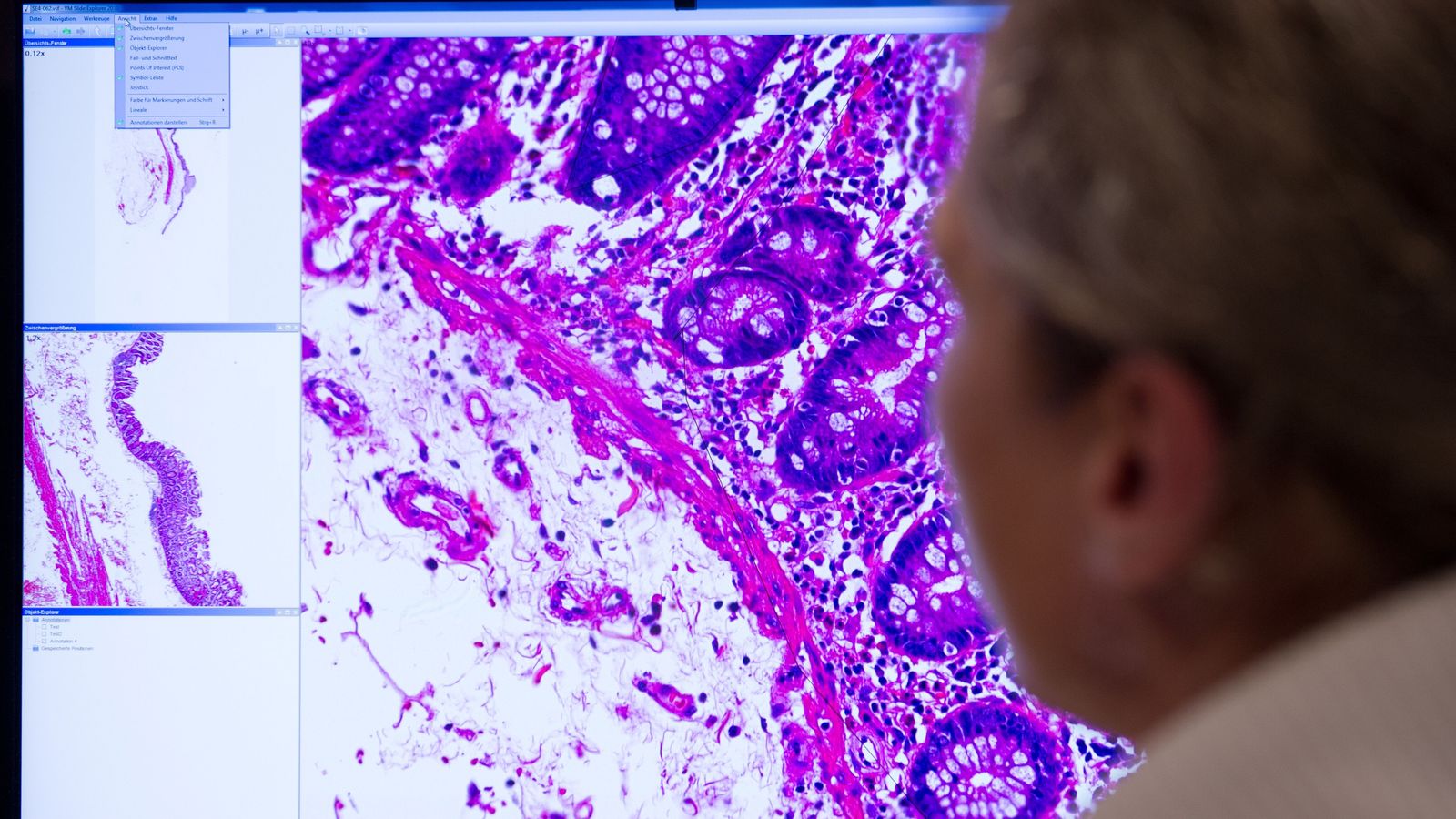
Artificial Intelligence is another primary focus of the meeting, though expectations are being tempered. Professor Frederik Klauschen, Director of the Pathological Institute of LMU Munich, notes that AI is not yet in widespread use, partly because tissue sections must first undergo a complex digitization process.

In the future, AI could function as a “second opinion” in the laboratory. It may assist pathologists by ensuring abnormalities are not overlooked and by providing more precise measurements of specific tissue characteristics. However, the final decision must remain with the human professional.
Direct Impacts on Patient Care
For patients, modern pathology offers concrete benefits. In cancer care, specialists do more than determine if a tumor is malignant; they search for specific properties that indicate whether a particular medication might be effective.

This allows for more precisely selected therapies. While autopsies do not benefit the deceased, the insights gained from them may provide life-saving knowledge for future patients.
Frequently Asked Questions
What is the primary role of pathology in cancer treatment?
Pathologists examine tissue samples to determine if a tumor is malignant and identify specific properties that help doctors select the most effective medication for the patient.
Why does Professor Bruno Märkl advocate for more autopsies?
He argues that CT and MRT scans cannot see everything, and autopsies often reveal findings that were previously unknown, which is essential for medical learning and providing closure to families.
How will AI be used in pathology labs moving forward?
AI may serve as a second opinion to help pathologists avoid overlooking abnormalities and to measure tissue characteristics more accurately, although humans will continue to make the final decisions.
How do you feel about the balance between human expertise and AI assistance in medical diagnostics?