
Mohammad Saleem Shines With Six-Wicket Haul as Afghanistan Struggle Against India
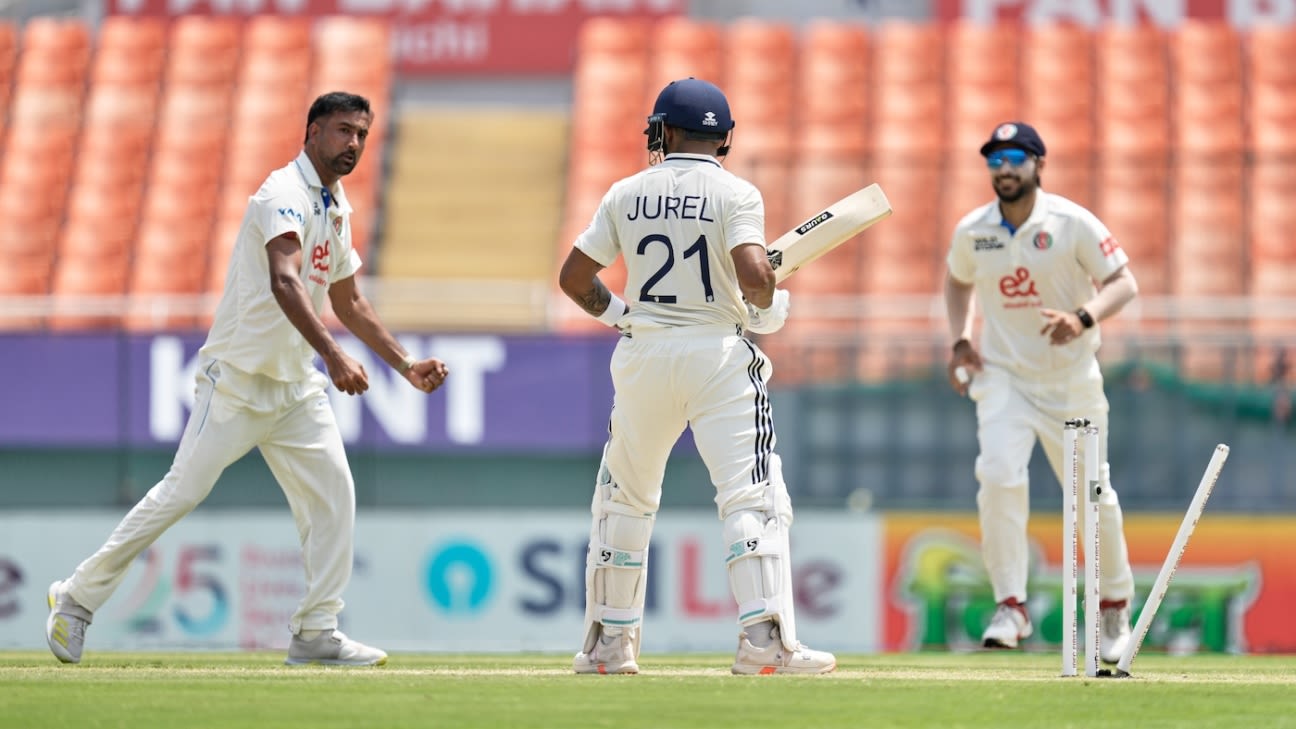
Afghanistan pacer Mohammad Saleem took 6 for 140 in India’s first innings during a one-off Test in New Chandigarh. Despite his efforts in oppressive heat, India declared at 564 for 8, leaving Afghanistan reeling at 113 for 5 at stumps on day two, trailing by 451 runs.
How did Mohammad Saleem perform against India?
Playing only his second Test, Saleem emerged as a rare bright spot for the visitors. He maintained a pace of around 140kph despite the oppressive heat, finishing with figures of 6 for 140. Although he went for 5.18 runs per over, his ability to hold a length kept Afghanistan in the contest.
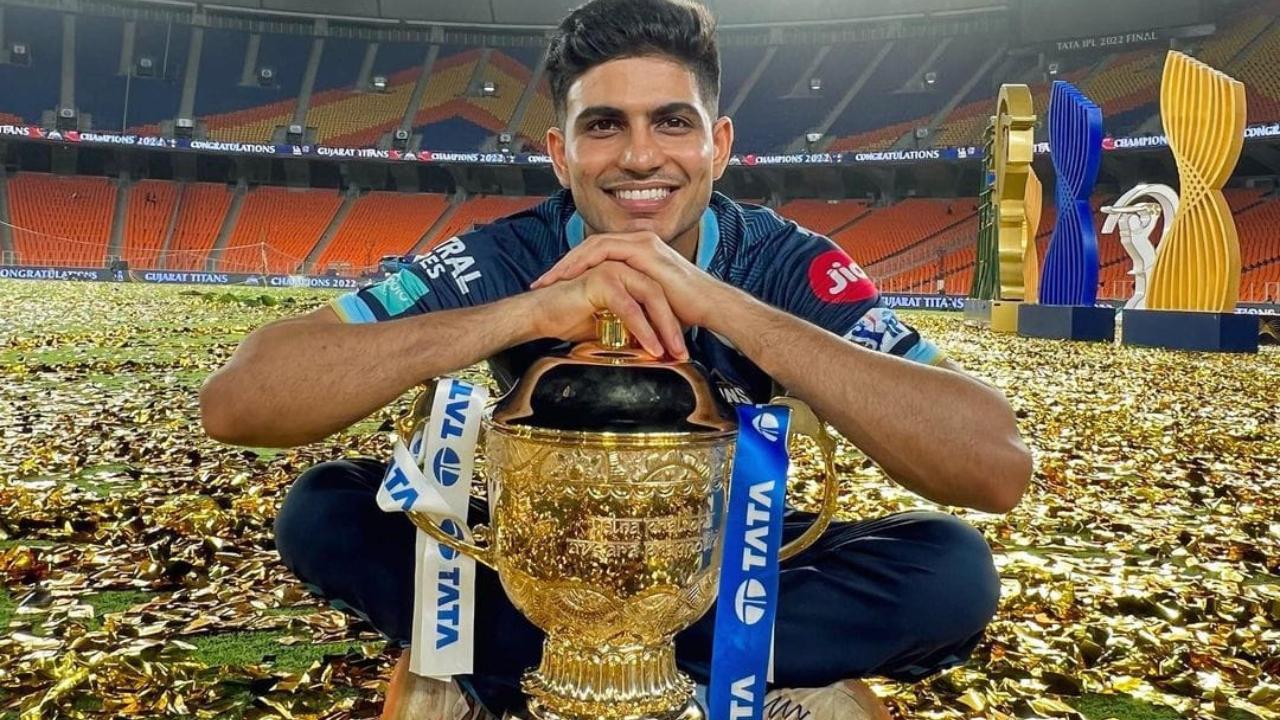
Saleem’s wickets were high-impact. He dismissed Yashasvi Jaiswal and B Sai Sudharsan on Saturday before claiming Shubman Gill for 126. Gill was caught behind using a second new ball that was roughly nine overs old. Saleem later removed Dhruv Jurel, who misjudged the line and was bowled, as well as Manav Suthar and Mohammed Siraj.
What did coaches and players say about the bowling?
Afghanistan head coach Richard Pybus praised Saleem’s resilience and consistency.
“He was just fantastic,” Pybus said. “If you come here and you take six wickets in extreme heat against high-quality batting, that goes very well – not just for him as a bowler, but for us as a side.”
The praise extended to the opposition. India allrounder Washington Sundar described the performance as “high-quality bowling,” noting that the pitch offered very little for seamers. Sundar highlighted that hitting the seam consistently over long spells requires significant skill and attitude, calling Saleem a “tough character.”
Why did Afghanistan struggle with DRS decisions?
Afghanistan’s campaign was hampered by a reluctance to use the Decision Review System (DRS) on critical plays. On day two, Azmatullah Omarzai beat Shubman Gill on the pads and nearly had Rishabh Pant caught behind, but umpire Sharfuddoula ruled both not out. Afghanistan did not review either call, though replays indicated both batters were out.
A similar error occurred on Saturday when KL Rahul was not given out on a caught-behind appeal. Rahul went on to score 100. Pybus admitted the team was “exceptionally rusty” and suffered from a “lack of conviction in decision-making.” He explained that the skipper relies on the wicketkeeper for alignment and the point fielder for height, and that these missed calls “cost us.”
What may happen next in the match?
Afghanistan faces a steep climb to save the match, as they currently trail India by 451 runs. Their survival likely depends on whether the remaining batters can stabilize the innings and avoid a total collapse.
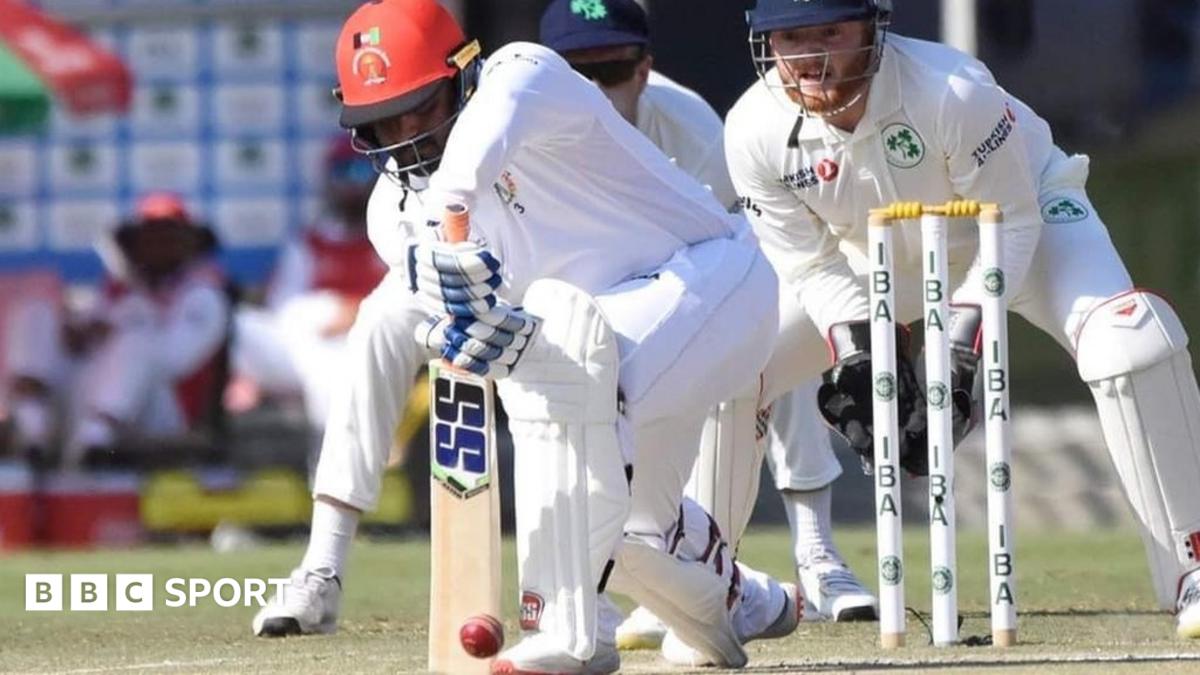
The outcome could also be influenced by whether Afghanistan improves its decision-making regarding DRS in the remaining sessions. If they continue to struggle with conviction, they may concede more wickets than necessary, potentially accelerating an Indian victory.
Frequently Asked Questions
What were Mohammad Saleem’s final bowling figures in the first innings?
Saleem finished with 6 wickets for 140 runs.
Which Indian batter scored a century after Afghanistan failed to review a caught-behind decision?
KL Rahul scored 100 after a caught-behind non-decision was not reviewed.
What was the score and deficit for Afghanistan at the end of day two?
Afghanistan was 113 for 5, trailing India by 451 runs.
Do you think a bowler’s individual brilliance can outweigh tactical errors in a Test match?