
Monaco GP Pit Lane Speeding: The Cause Behind the Unusual Penalties
The Monaco Grand Prix saw an unusual wave of pit lane speeding penalties that stripped Pierre Gasly of a podium finish. Five drivers were penalized for exceeding the 60 km/h limit by as little as 0.1 km/h, sparking a technical dispute over how the FIA measures speed in the tight confines of the Monte Carlo circuit.
Why were so many drivers penalized in the Monaco pit lane?
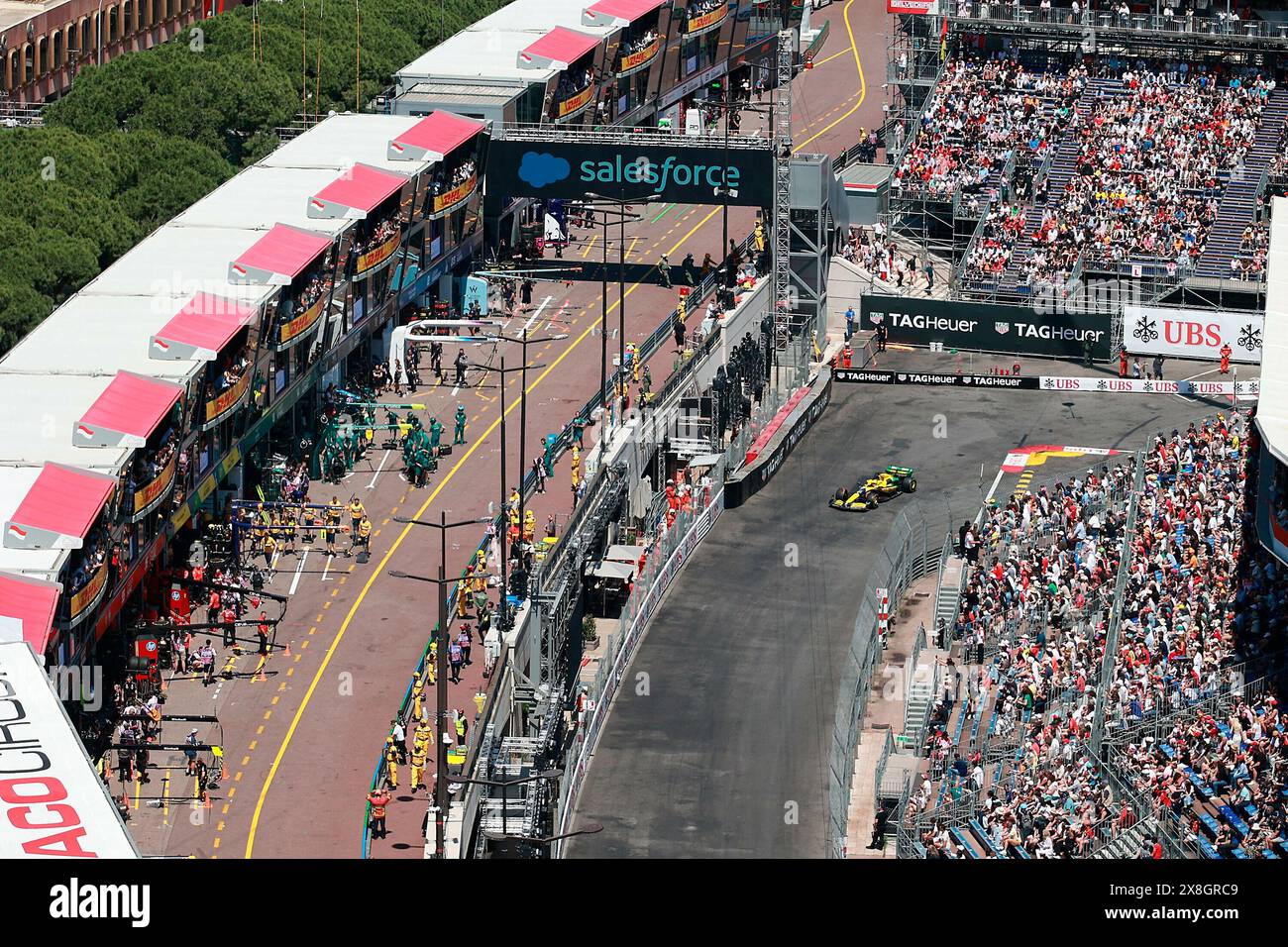
The spike in penalties may be linked to the physical layout of the pit exit. This year, the exit became more open to accommodate the addition of an 11th team, Cadillac.

According to The Race, the issue likely involves drivers crossing the line that marks the “fast lane.” Onboard footage confirms drivers were crossing this line rather than staying tighter to the right-side barrier.
The FIA measures speed using transponders in the cars and loops embedded in the track. Because these loops are located specifically in the fast lane, failing to drive through them correctly could cause the system to calculate an incorrectly high speed.
How did the penalties affect Pierre Gasly and Alpine?
Pierre Gasly suffered the most significant blow, receiving a total of 10 seconds in penalties. Despite crossing the finish line in 3rd place, the time penalties stripped him of his podium position.
“I have a broken heart… words cannot describe the pain when you lose a podium in Formula 1, and especially in the streets of Monaco. I am absolutely devastated,” Gasly wrote on Instagram.
Gasly added that he and his team have worked for years for such a moment and believes the result should be corrected. Alpine has submitted a request for a review, though a hearing date has not been set.
What are the standard penalties for pit lane speeding?
Drivers use a speed limiter on the steering wheel to stay legal. In practice sessions, speeding results in fines, but in the race, it leads to time penalties.
If a driver exceeds the limit by 6 km/h or less, they receive a 5-second penalty. Higher speeds can result in a drive-through penalty or a 10-second stop-and-go penalty.
Race Speeding Violations
- Lewis Hamilton: +0.1 km/h
- George Russell: +0.1 km/h
- Franco Colapinto: +0.1 km/h
- Oscar Piastri: +0.1 km/h
- Pierre Gasly: +0.1 km/h and +0.4 km/h
Practice Speeding Violations
Issues appeared early in the weekend. Russell (+0.3 km/h), Alonso (+0.5 km/h), and Antonelli (+0.1 km/h) were flagged in the first two sessions. In the third session, Albon (+0.2 km/h) and Colapinto (+8.9 km/h) also exceeded the limit.
What happens next for the penalized drivers?
The FIA has not yet issued an official statement on the matter. Alpine’s request for a review could potentially lead to a change in the final standings if the technical measurement is found to be flawed.
It is possible that the FIA may examine the placement of the loops in relation to the new Cadillac-influenced pit exit layout. Depending on the outcome of the review, some penalties could be overturned, though this remains speculative until the governing body rules.
Frequently Asked Questions
What was the speed limit in the Monaco pit lane?
The speed limit was set at 60 km/h due to the narrow nature of the pit lane.
Why did Pierre Gasly lose his podium?
Gasly finished the race in 3rd place, but he received a total of 10 seconds in penalties for speeding in the pit lane, which dropped him out of the top three.
What caused the unusual number of speeding penalties?
According to The Race, drivers may have crossed the fast lane line, which can interfere with the FIA’s loop-and-transponder measurement system and result in a higher calculated speed.
Do you think a 0.1 km/h violation should result in a race penalty?