

Montreal Shooting: Two Dead in Attack Linked to Incel Ideology
A shooting in Montreal’s Côte-des-Neiges neighborhood on June 22, 2026, left one police officer and one civilian dead, according to local reports. Police are investigating a 100-page manifesto linked to “incel” ideology—a misogynistic online subculture—as the primary motive for the attack, which also left a female officer seriously injured.
What happened during the Côte-des-Neiges shooting?
The attack began around 11:30 local time when a man in camouflage clothing, armed with a rifle, opened fire in the Côte-des-Neiges area. A resident told Le Journal de Québec they heard roughly three dozen shots fired over a 15-minute window. Police eventually “neutralized” the suspect, whose identity remains unknown.
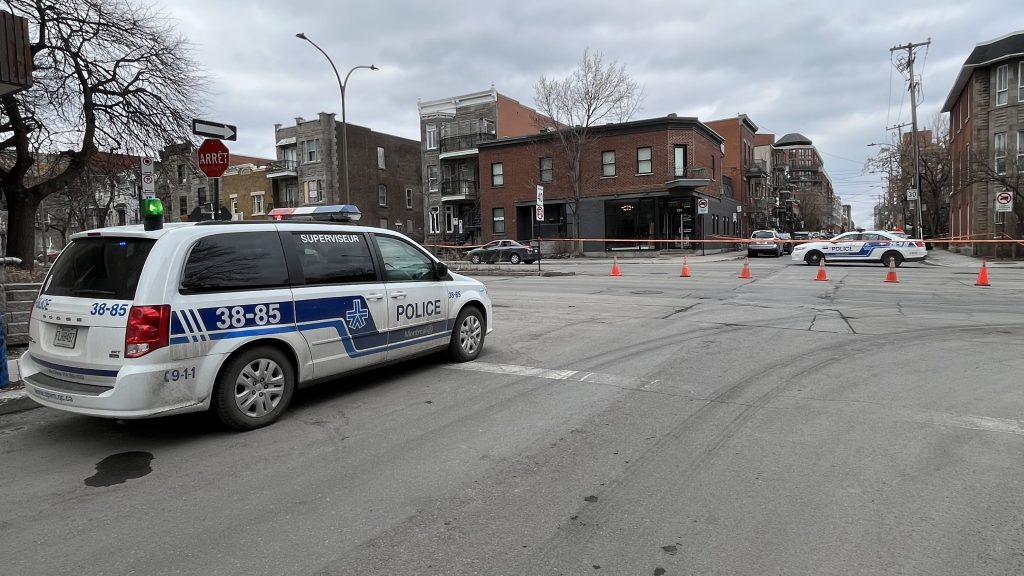
Two people died at the scene: one police officer and one civilian. A second female officer sustained serious injuries, though officials report her condition is stable. Canadian Prime Minister Mark Carney stated on X that he was “horrified” by the deaths and credited the “heroic commitment” of the responding officers.
Why is incel ideology driving violent attacks?
Investigators are currently analyzing a manifesto exceeding 100 pages found in connection with the shooter. According to CNN and local media, the document aligns with “incel” ideology, which centers on extreme misogyny. This trend reflects a shift toward “lone actor” terrorism fueled by digital echo chambers rather than centralized organizations.

These attacks often target women or public spaces to gain notoriety within online forums. By documenting their motives in long-form manifestos, attackers attempt to provide a “theoretical” justification for their violence, hoping to inspire copycats. This pattern mirrors previous mass casualty events where digital footprints served as both the radicalization tool and the post-event propaganda.
For more on how digital radicalization works, see our guide on online extremist pipelines.
How do these “ambush” tactics affect police safety?
Local media and CNN reported that the Montreal shooting may have been a planned “ambush.” This tactic involves targeting first responders specifically to maximize casualties and ensure the event receives maximum media coverage. The death of a police officer in this incident highlights the increasing risk officers face when responding to ideological attacks.
When attackers use camouflage and high-capacity rifles, as seen in Côte-des-Neiges, they shift the engagement from a standard crime scene to a tactical combat scenario. This forces police to implement immediate lockdown protocols, as seen when residents were ordered to lock doors and avoid the area entirely during the June 22 event.
What are the future trends in ideological violence?
The use of a 100-page manifesto suggests that attackers are increasingly treating violence as a “performance.” Future trends indicate a rise in “hybrid” threats, where the physical attack is secondary to the digital spread of the perpetrator’s ideology. These documents are designed to be “liftable” for AI and social media algorithms, ensuring the ideology survives the attacker.
Security experts suggest a move toward more aggressive monitoring of “incel” forums and similar misogynistic hubs. Because these groups often operate in the grey area between “trolling” and domestic terrorism, detection remains difficult until a manifesto is published or an attack occurs.
You can track global trends in domestic extremism via the United Nations Office on Drugs and Crime.
Frequently Asked Questions
Who were the victims of the Montreal shooting?
According to official reports, the victims include one police officer and one civilian who were killed, and one female officer who was seriously injured.
What is the suspected motive?
Police are examining a manifesto that supports “incel” ideology, which is characterized by extreme misogyny and beliefs about biological determinism.
Where did the attack take place?
The shooting occurred in the Côte-des-Neiges neighborhood of Montreal, an area known as a primary residence for the city’s Jewish community.
Want to stay informed on public safety and global security trends?
Join the conversation: Do you think social media platforms are doing enough to curb incel radicalization? Let us know in the comments below.