
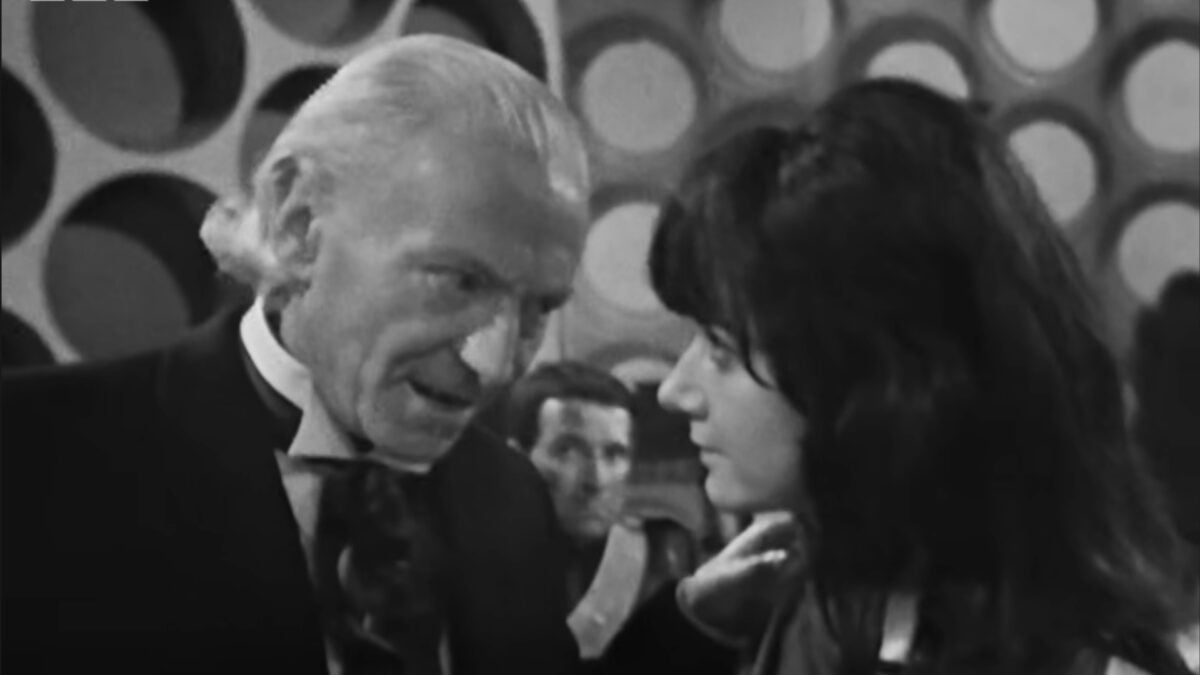
More Long-Lost Doctor Who Episodes Could Surface
The Great Hunt: Why Lost Media is Making a Comeback
For decades, the search for missing Doctor Who episodes has been the “Holy Grail” of television fandom. The notion that a piece of cultural history could simply vanish—wiped by the BBC in a cost-cutting frenzy or left to rot in a damp basement—creates a powerful narrative of loss and redemption.
Recent developments from Film Is Fabulous!, a charitable trust dedicated to preserving vulnerable film collections across the UK, suggest we are entering a new golden age of recovery. While the organization clarifies that they aren’t “searching” in the traditional sense, their work in supporting private collectors is creating a bridge between forgotten attics and digital archives.
From Attic to iPlayer: The Modern Pipeline of Recovery
The path from a dusty 16mm film reel to a high-definition stream on BBC iPlayer is complex. It requires a delicate dance between private ownership, archival expertise, and state-of-the-art restoration technology.

A prime example of this pipeline in action is the recent recovery of episodes from The Daleks’ Master Plan. After years of being thought lost, these adventures returned to screens, proving that the “missing” status of an episode is often just a temporary state of invisibility.
The Role of Private Collections
Most recoveries don’t happen in official archives but in the hands of dedicated collectors. Organizations like Film Is Fabulous! provide the necessary support to ensure these vulnerable films are preserved before they degrade beyond repair. By cataloging private collections, experts can identify potential matches for missing episodes without the pressure of a “treasure hunt” mentality.
This shift toward systematic preservation over random discovery is a key trend. Instead of hoping for a miracle, archivists are now building a comprehensive map of where film might still exist globally.
The Future of Archival Preservation: What’s Next?
Looking forward, the recovery of lost media will likely be driven by three major technological and social trends:
1. AI-Enhanced Restoration
Finding the film is only half the battle. Many recovered reels are damaged, faded, or suffer from “vinegar syndrome.” Artificial Intelligence is now being used to stabilize shaky footage, remove scratches, and even upscale resolution, making 60-year-old footage look crisp for modern audiences.
2. Globalized Crowdsourcing
The search is no longer limited to the UK. Many Doctor Who episodes were sold to overseas broadcasters in the 60s. We are seeing a trend toward international collaboration, where fans in Nigeria, Australia, and Canada use social media to alert archivists to strange reels found in local stations.
3. The “Lost Media” Cultural Phenomenon
There is a growing internet subculture dedicated to “Lost Media.” This fascination has turned archival work into a viral event. When a missing episode surfaces, it isn’t just a win for Doctor Who fans; it’s a victory for digital archaeology that attracts a younger generation to the hobby of preservation.
How to Help Preserve Television History
You don’t need to be a professional archivist to contribute to the survival of television history. The most important step is awareness.
Encourage family members to look through old storage units or estates. Often, “junk” from a previous generation is actually a priceless piece of broadcast history. If you find something, document it with photos before moving it, and reach out to established trusts.
For more on how to track lost media, check out our guide on archival best practices and the history of the BBC’s missing archives.
Frequently Asked Questions
Q: Is Film Is Fabulous! actively hunting for Doctor Who episodes?
A: No. Their primary mission is the preservation of vulnerable film collections held privately in the UK. While their work often leads to discoveries, they are not a “search party.”
Q: Where can I watch the recently recovered episodes?
A: Recovered episodes are typically debuted on BBC iPlayer in the UK and the Doctor Who Classic YouTube channel in the US.
Q: Why are so many episodes missing in the first place?
A: The BBC historically wiped tapes to save money and space, and many film copies were destroyed or lost during international distribution.
What do you think? Do you believe all the missing Doctor Who episodes will eventually be found, or are some gone forever? Let us know in the comments below, or share this article with a fellow Whovian who still holds out hope!
Want more deep dives into television history and archival mysteries? Subscribe to our newsletter for weekly updates delivered straight to your inbox.