
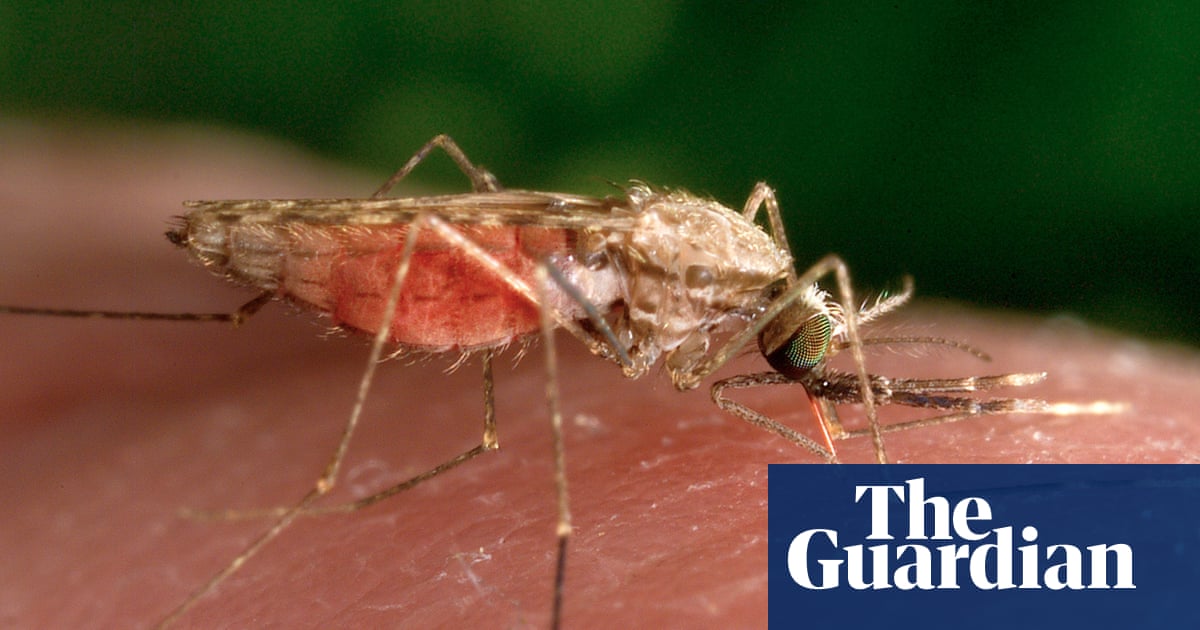
Mosquitoes can become attracted to insect repellant, study suggests | Medical research
DEET, the chemical compound N,N-diethyl-meta-toluamide, has long been a global standard for protecting humans from mosquito bites. However, new research suggests that mosquitoes may be capable of associating the scent of this repellent with a blood meal, potentially making the insects attracted to it under specific conditions.
A Shift in Repellent Understanding
For years, scientific consensus held that repellents functioned solely through chemical properties, either by blocking a mosquito’s ability to detect humans or by being toxic or unpleasant. New findings published in the Journal of Experimental Biology suggest that this reaction can actually be modified by experience.
Prof Claudio Lazzari of the University of Tours in France noted that this discovery represents a significant change in how we understand repellents. The research indicates that mosquitoes may learn, similar to Pavlov’s dogs, that the presence of DEET indicates the possibility of food.
The Laboratory Evidence
Researchers observed trapped mosquitoes attempting to bite a bag of warm blood that remained just out of reach. The study found that 60% of mosquitoes that fed while exposed to DEET later showed biting attempts when exposed to DEET alone.

This behavior stood in stark contrast to other groups. Only 17% of untrained insects, 13% of those previously exposed to DEET alone, 17% that fed on blood without DEET, and 23% that were exposed to blood and DEET separately showed similar biting attempts.
In a further test, almost 60% of mosquitoes trained to associate DEET with blood attempted to bite a researcher’s DEET-treated hand. Meanwhile, untrained mosquitoes universally attempted to bite the researcher’s untreated hand.
Implications for Travelers
Despite these findings, experts emphasize that travelers should not stop using DEET. Prof Lazzari clarified that the repellent does not lose effectiveness through normal use, but only under specific laboratory conditions designed to study mosquito behavior.
Prof Francesca Romana Dani, an entomologist at the University of Florence, suggested it is unlikely that mosquitoes would change their response to DEET under normal conditions. She noted that a single insect may encounter various different repellents during subsequent blood meals.
Dr Nina Stanczyk of ETH Zürich university added that the highest risk of an association forming is when the repellent begins to wear off. The most vital step for protection is to regularly reapply the product as instructed by the label.
Looking Forward
Future research may be required to evaluate how long the memory of a blood meal taken in the presence of DEET actually lasts. This could potentially influence how repellent formulations are developed or applied in the future.
It is likely that health organizations will continue to recommend DEET-based products, as the ability of mosquitoes to override the repellent’s effect appears limited to specific experimental scenarios rather than general use.
Frequently Asked Questions
Should I stop using DEET because of this study?
No. Experts emphasize that DEET does not lose its effectiveness through normal use and that the findings occurred under specific laboratory conditions.
How do mosquitoes become attracted to DEET?
The study suggests that if mosquitoes associate the presence of DEET with the ability to feed on a blood meal, they may learn to associate the smell with food.
What is the best way to ensure DEET remains effective?
The most important action for users is to regularly reapply the repellent according to the instructions on the product label.
Do you prioritize chemical repellents or other prevention methods when traveling to areas with high mosquito populations?