
MS-13 Trial: Brutal Murders Used to Enforce Gang Loyalty in Los Angeles
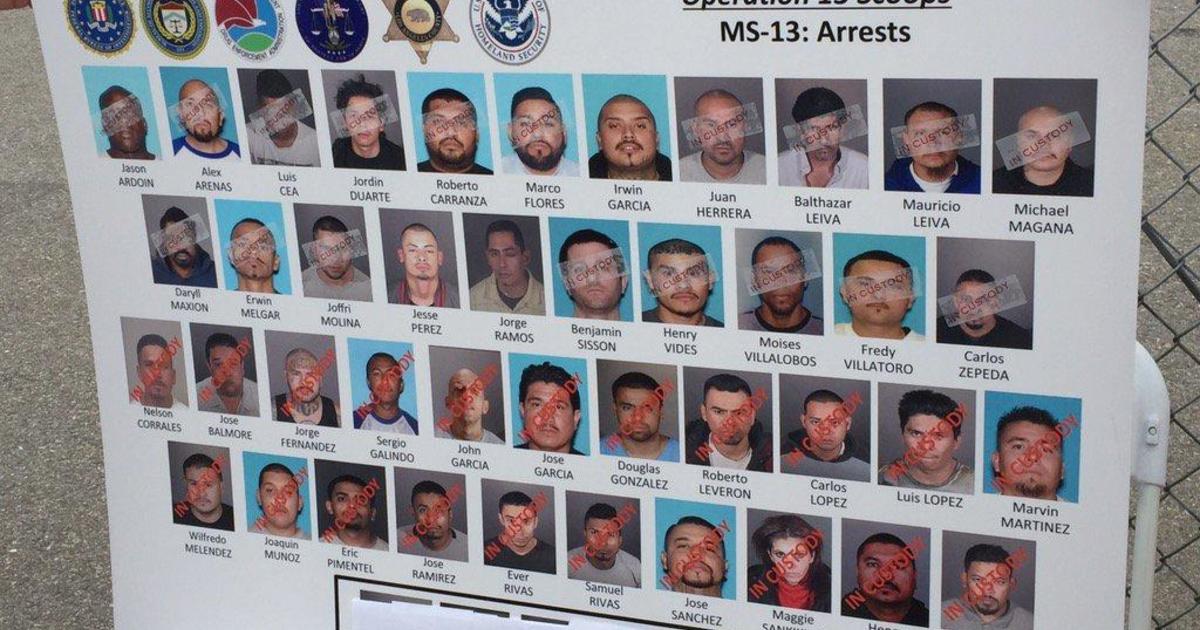
Federal prosecutors in Los Angeles are presenting a chilling case against members of MS-13, alleging a systematic shift toward extreme violence within the gang’s Fulton clique. The trial, currently underway in a downtown courtroom, centers on allegations that the group adopted brutal “Salvadoran rules” in 2015, transforming their operations from traditional gang activity into a series of ritualistic, lethal initiations.
The government’s case highlights the 2017 murders of three individuals in the Angeles National Forest. Prosecutors contend that these acts were designed to test loyalty and secure status for members within the organization, turning remote mountain locations into sites of execution.
The Shift to Extreme Violence
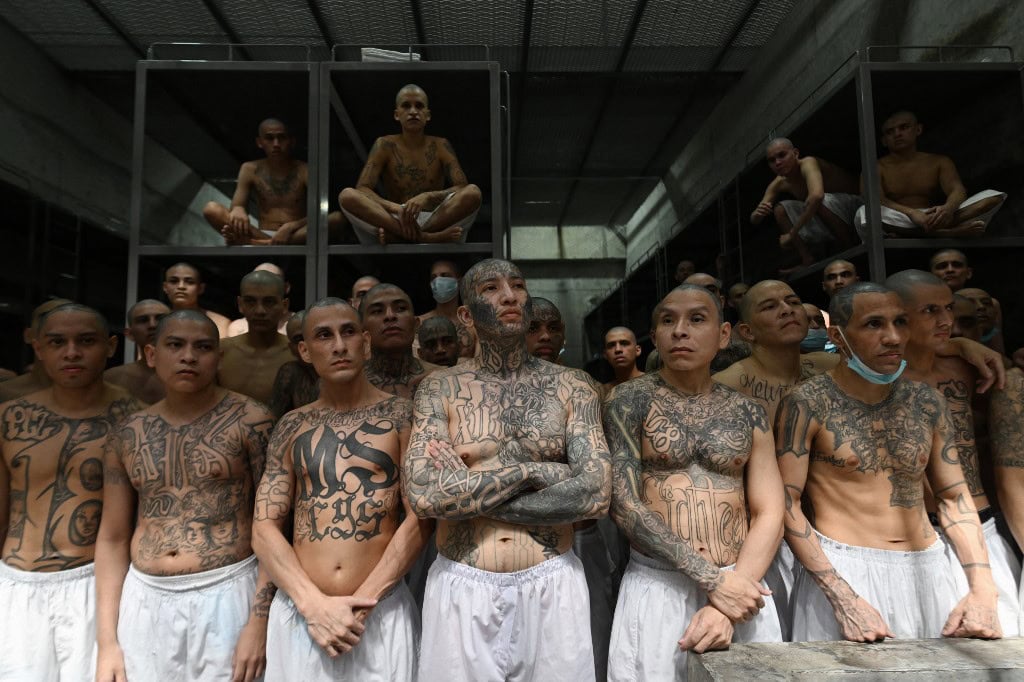
Assistant U.S. Atty. Suria Bahadue informed jurors that for much of the gang’s history, associates rose through the ranks by selling drugs, committing robberies, or engaging in beatings. However, the implementation of “Salvadoran rules” mandated that aspiring members commit murder to become full-fledged “homeboys.”

The trial specifically examines the role of Edgar Velasquez, described by prosecutors as the Fulton clique’s “corredor,” or shot caller. The government maintains that Velasquez directed members to adhere to these lethal protocols, though his defense attorney, Kenneth Miller, argued that there is no evidence of direct communication or orders linking his client to the specific crimes.
Legal Arguments and Defense
The defense team for Angel Guzman, one of the four men on trial, has challenged the credibility of the government’s case. Attorney James Tedford characterized the prosecution’s evidence as being built upon the testimony of cooperating witnesses who have pleaded guilty to the murders and are seeking leniency in their own sentencing.
Tedford noted the absence of physical evidence such as fingerprints or DNA, arguing the case relies entirely on the accounts of individuals motivated by self-interest. This trial follows a 2019 indictment that accused nearly two dozen members of similar racketeering and murder charges.
Looking Ahead
The outcome of this trial could have significant implications for the future of gang prosecutions in the region. Should the jury accept the government’s argument regarding the organized nature of these “Salvadoran rules,” it could lead to stricter sentencing for those found to be in command of these cliques.
Conversely, if the defense successfully casts doubt on the testimony of the cooperating witnesses, the government may face challenges in future cases that rely on similar chains of evidence. Analysts expect this trial to serve as a bellwether for how federal authorities handle the prosecution of decentralized gang factions in the years to come.
Frequently Asked Questions
What was the motivation behind the killing of Juan Jose Sibrian?
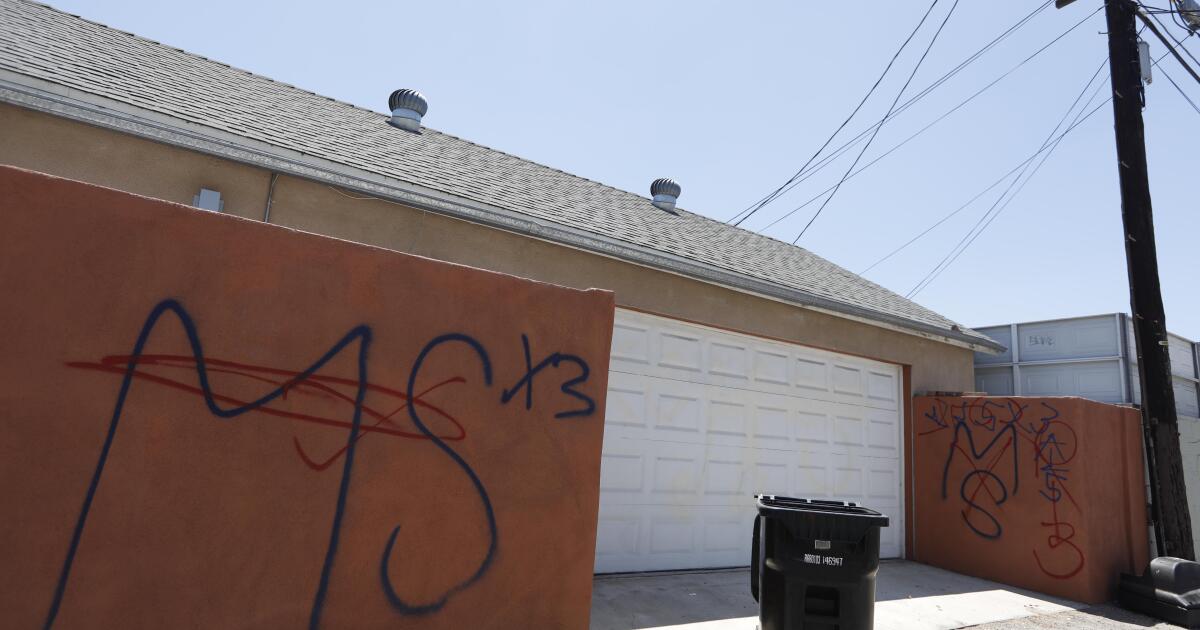
According to prosecutors, the Fulton clique targeted Sibrian because they believed he had crossed out MS-13 graffiti and was addicted to methamphetamine, which they considered a violation of gang rules.
What specific evidence has been presented regarding Angel Guzman?
Prosecutors pointed to a tattoo on Guzman’s chest, which depicts a human heart gripped by clawlike fingers, as evidence of his involvement in the 2017 killing of Juan Jose Sibrian.
How did the Fulton clique reportedly handle internal promotions?
Prosecutors allege that the clique’s leadership required aspiring members to commit murder to earn a promotion and become “homeboys,” a change in protocol that began around 2015.
How do you believe the judicial system should balance the reliance on cooperating witnesses against the need to prosecute violent gang organizations?