

Multiple Sclerosis: Managing Symptoms, Diagnosis, and Modern Treatment Options
Multiple Sclerosis (MS) is no longer the unpredictable and severely disabling condition it was decades ago. According to Gianluca Moscato, Head of Neurology at the Livorno hospital and coordinator of the Multiple Sclerosis Centers of the Asl Toscana nord ovest, the disease can now be controlled effectively.
The Global and Local Impact of MS
The scale of Multiple Sclerosis is significant, affecting approximately 2.8 million people worldwide and 1.2 million in Europe. In Italy, the number of patients exceeds 140,000, with an estimated 8,500 patients in Tuscany.

National data shows 3,500 new diagnoses annually in Italy. In Livorno specifically, medical professionals see more than 30 new cases per year, averaging two to three new diagnoses every month.
Understanding the Disease and its Causes
Multiple Sclerosis is a chronic disease of the central nervous system and a leading cause of neurological disability in young adults. It typically peaks around age 30, a critical period for professional and family planning.
The condition is autoimmune, meaning the immune system erroneously attacks myelin, the protective sheath covering nerve fibers. This triggers an inflammatory process that can lead to neurological damage over time.
While the exact cause remains unknown, a combination of genetic predisposition and environmental factors is involved. It is not a strictly hereditary disease, meaning there is no direct transmission from parent to child, though a family predisposition may exist.
recognising Risk Factors and Symptoms
Studied risk factors include the Epstein-Barr virus, smoking, obesity and alcohol abuse. A deficiency in vitamin D and a diet high in sugars are linked to the condition.
Symptoms vary widely but often include visual disturbances, balance issues, motor difficulties, and alterations in sensitivity. Some patients may also experience sphincter disorders.
Two frequently underestimated symptoms are cognitive disturbances—which can impair memory and attention—and “fatigue,” described as a persistent physical and mental exhaustion.
Advances in Diagnosis and Treatment
Diagnosing MS is complex because no single test can confirm it; it is a clinical diagnosis of exclusion. Doctors must synthesize symptoms, laboratory tests, and instrumental exams while ruling out other pathologies.
However, diagnostic timelines have improved. By integrating MRI scans with biomarkers from biological fluids, a diagnosis can now be reached within a single month.
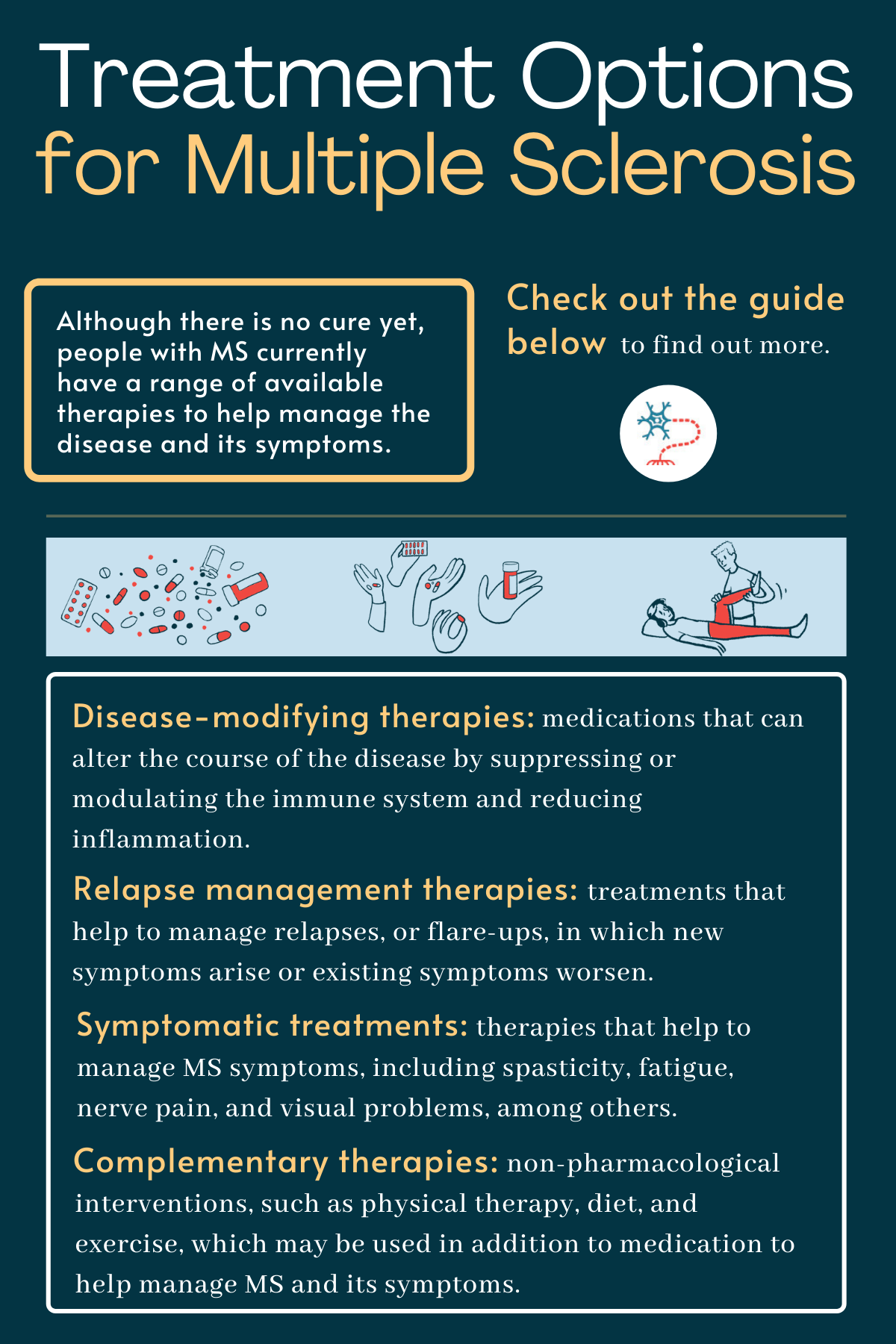
Treatment has also transformed. Thirty years ago, medications capable of modifying the disease’s course did not exist. Today, various therapies targeting the immune system allow for personalized treatment plans.
The Integrated Care Model in Livorno
The Multiple Sclerosis centre in Livorno, led by responsible party Cristina Fioretti and referent Barbara Nucciarone, serves as the primary point of care. The centre provides outpatient activity, clinical monitoring, and complex treatments.

Care is delivered through a multidisciplinary team of neurologists and specialized nurses. For patients with cognitive impairment, the centre involves speech therapists and physiatrists.
Going forward, the network of MS Centers within the Asl Toscana nord ovest may become further integrated. This effort is likely to ensure more homogeneous care standards across the entire territory.
Frequently Asked Questions
What are the most common risk factors for Multiple Sclerosis? The most studied risk factors include smoking, obesity, alcohol abuse, a diet rich in sugars, vitamin D deficiency, and infection from the Epstein-Barr virus. Is Multiple Sclerosis a hereditary disease? It is not hereditary in a strict sense. While there may be a family predisposition, the disease is not transmitted directly from parent to child. How has the prognosis for MS patients changed over time? Decades ago, MS was seen as an unpredictable and strongly invalidating disease. Today, in most cases, the evolution of the disease can be controlled, allowing patients to maintain their autonomy and quality of life. How do you think increased public awareness of “hidden” symptoms like cognitive fatigue could impact early diagnosis rates?