
MV Hondius Hantavirus: Contacts Released From Hospital for Home Quarantine
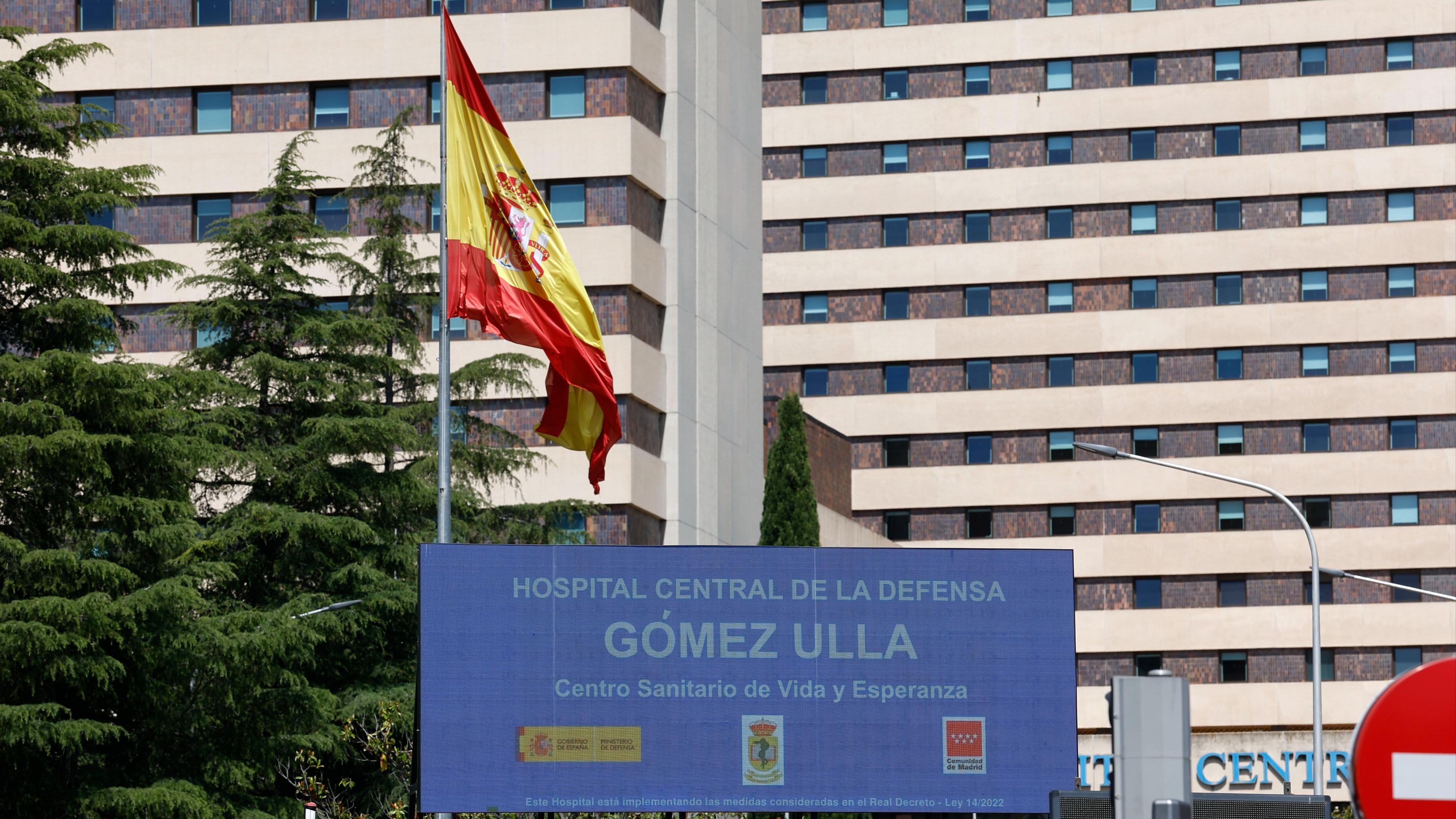
Fourteen Spanish passengers from the MV Hondius cruise ship have transitioned out of hospital isolation following Hantavirus exposure. According to the Spanish Ministry of Health, most contacts have left Hospital Gómez Ulla in Madrid to complete their quarantine at home, while one confirmed patient remains under medical supervision in a specialized unit.
Why are MV Hondius passengers leaving Hospital Gómez Ulla?
The Ministry of Health determined that the 14 Spanish nationals involved could complete the final two weeks of their quarantine at their own residences. This decision follows a mandatory four-week period of isolation at the Gómez Ulla facility.
For those returning home, the transition depends on remaining asymptomatic. If they stay without symptoms through the end of their home quarantine, the National Center for Microbiology will analyze a final sample to confirm they can resume normal activities.
What is the status of the confirmed Hantavirus patient?
One patient remains hospitalized in the High-Level Isolation Unit (UATAN) at Hospital Gómez Ulla. Their case was confirmed on May 25, and while they initially showed no symptoms, they subsequently developed a slight fever.
Medical staff continue to supervise the patient, noting that the clinical situation has not worsened. The patient remains under strict protocol until the required negative PCR results are obtained.
How is the Andes strain of Hantavirus managed after recovery?
A 70-year-old passenger who tested positive on May 11 was discharged on June 4 after meeting the asymptomatic and PCR requirements. However, recovery does not mean an immediate end to medical oversight.
Because the Andes strain can persist in the blood for long periods, this individual will undergo clinical monitoring for the next six months. This process involves monthly blood samples to track the virus’s evolution and check for potential sequelae.
What precautions must recovered patients follow?
Recovered patients face specific lifestyle restrictions due to the way the Andes strain behaves. Health guidelines recommend avoiding unprotected sexual relations for at least four months after the onset of symptoms, as the virus may persist in semen.
Additionally, patients must avoid any activity that risks blood contact. This includes limiting contact sports and avoiding certain medical procedures, such as blood extractions, until a blood PCR test returns a negative result.
What may happen next for the affected passengers?
The remaining hospitalized patient may be discharged once they satisfy the three-day symptom-free window and the dual PCR protocol. If this occurs, they could likely enter a similar long-term monitoring phase as the first recovered passenger.
The contacts currently completing home quarantine may be fully cleared once the National Center for Microbiology confirms their negative status. Any passenger who previously tested positive is likely to remain under blood-monitoring protocols for several months to ensure the virus has completely cleared their system.
Frequently Asked Questions
What are the discharge requirements for a confirmed Hantavirus patient?
A patient must be without symptoms for at least three days and obtain two negative PCR tests (urine and oropharyngeal swabs) taken 48 hours apart.
Why do recovered patients need to avoid contact sports?
Because the Andes strain can persist in the blood for a prolonged period, patients are advised to avoid activities that could lead to bleeding or blood contact until a negative blood PCR is confirmed.
How long is the medical follow-up for recovered passengers?
The first recovered passenger, a 70-year-old man, is scheduled for clinical monitoring and monthly blood samples for six months.
Do you think current international travel protocols are sufficient for managing rare viral outbreaks on cruise ships?