
Namibia, Niger and South Africa on global radar as France, China and Russia chase Africa’s uranium
Namibia has emerged as the world’s third-largest uranium producer, trailing only Kazakhstan and Canada, according to the World Nuclear Association. This shift follows a period of political instability in Niger and increased investment in Namibian assets by Chinese state-owned firms and international miners like Paladin Energy.
Why is Namibia becoming a global uranium powerhouse?
Namibia produced 7,333 tonnes of uranium in 2024, securing its position as the third-largest global producer according to the World Nuclear Association. This growth follows a 25% production increase in 2023, where output rose to 6,985 tonnes driven by the Husab and Rössing mines.
Investment is fueling this trajectory. The OECD-NEA/IAEA Red Book reports that exploration and mine development spending in Namibia rose from $11 million in 2020 to $86 million in 2022, before settling at an estimated $75 million in 2023. During this window, operators drilled 342,436 metres, primarily for uranium.
Capacity continues to expand. Reuters reports that uranium output rose 22% year-on-year in the first 10 months of 2025. Paladin Energy is currently ramping up the Langer Heinrich mine, with the company stating the site is on track for maximum output by July 2026.
What is happening to uranium production in Niger?
Niger is transitioning from a stable supplier to a geopolitical risk center. Production fell from 2,248 tonnes in 2021 to 2,020 tonnes in 2022. This decline began in March 2021 when Cominak shut the Akouta mine after 40 years of operation and the extraction of 75,000 tonnes.
Political upheaval has further crippled output. Following the July 2023 coup, chemical supply disruptions forced SOMAIR to halt yellowcake production in September 2023. The military government later nationalized SOMAIR in June 2025.
This instability has invited Russian interest. Le Monde reported French concerns over a potential deal for Niger to sell 1,000 tonnes of yellowcake to Rosatom for approximately $170 million, though both Niger and Rosatom have denied a confirmed agreement.
How does South Africa fit into the uranium supply chain?
South Africa maintains one of the largest uranium resource bases in Africa, with 320,900 tonnes of identified resources, yet it produces significantly less than Namibia. Production was estimated at 192 tonnes in 2021 and 200 tonnes in 2022.
Most of the country’s output is a by-product of gold or copper mining. The Nuclear Energy Agency notes that current production comes from Vaal River operations using reef material from Harmony Gold’s Moab Khotsong mine. This single underground site in northern South Africa holds 8,360 tonnes of identified recoverable uranium resources.
Industry trends suggest South Africa’s role could expand if higher market prices make by-product and tailings projects more economically viable for the gold-mining companies that control most of these assets.
Who is winning the race for African nuclear fuel?
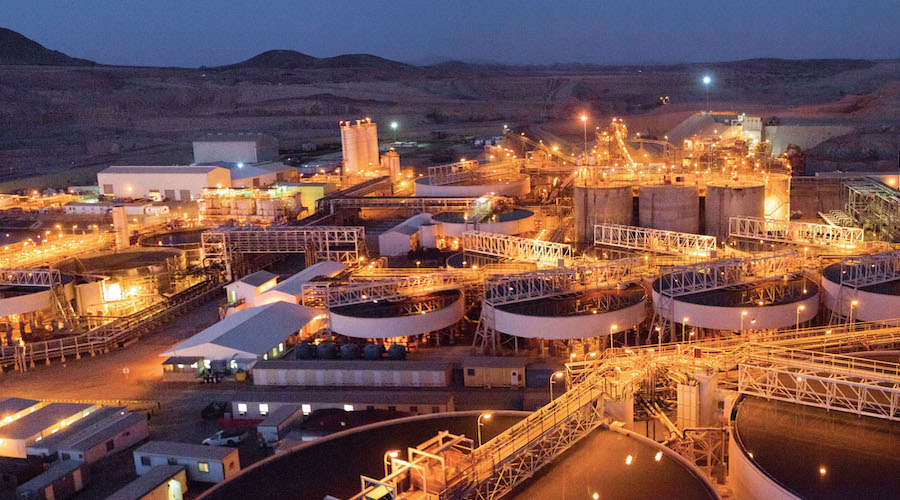
A strategic competition between France, China, and Russia is reshaping African supply routes. China has secured a dominant position in Namibia through its control of the Husab mine (via China General Nuclear Power Group) and the Rössing mine (via China National Uranium Corp).
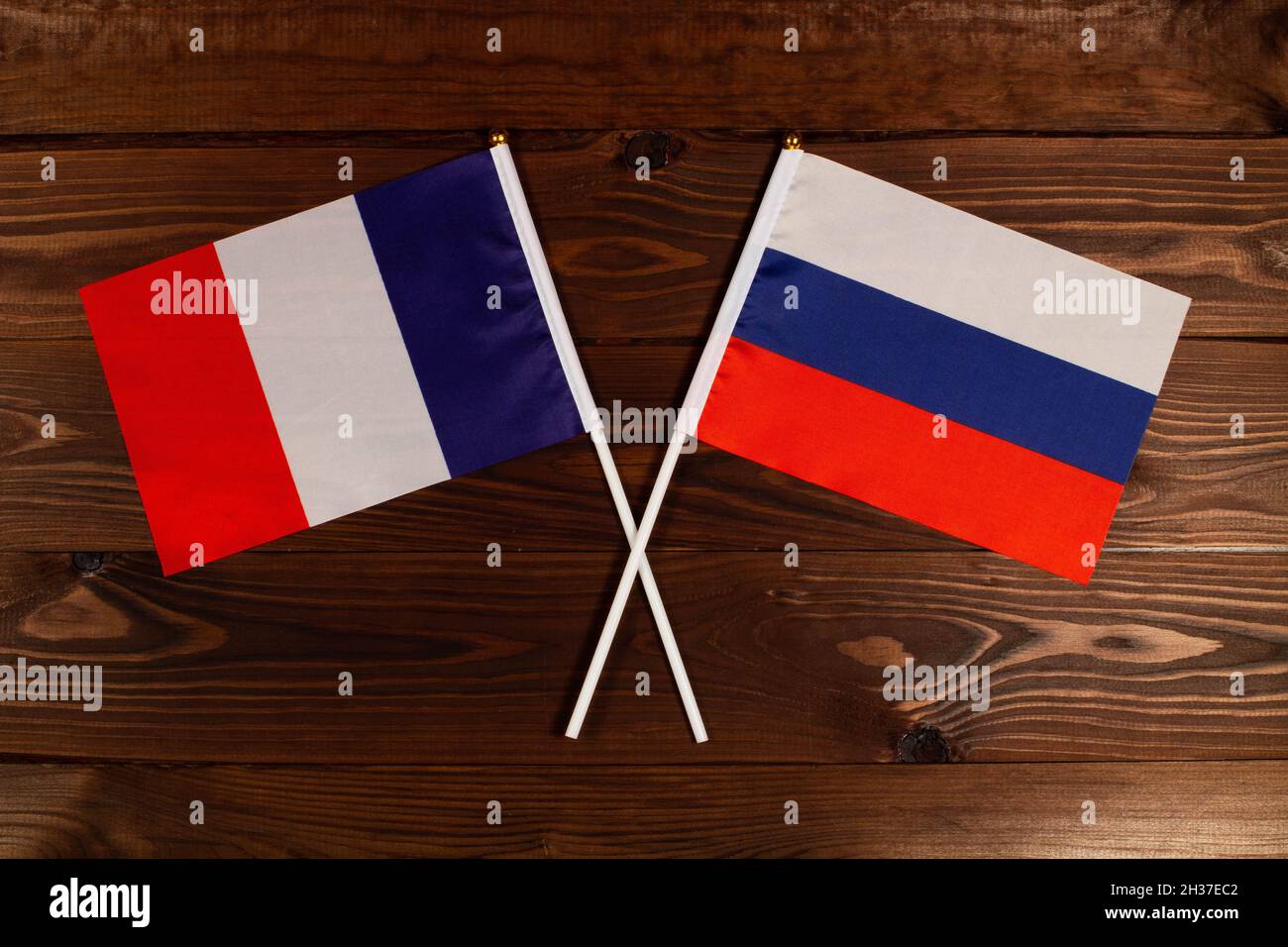
France is diversifying its sources after losing influence in Niger. Paris is now focusing on Namibia, Botswana, and Malawi as more stable alternatives to secure its nuclear fuel requirements.
Russia is expanding its footprint through reported interests in Niger and Tanzania’s Mkuju River project. This creates a contrast in regional strategies: while Namibia leans toward a model of foreign-backed corporate investment, Niger has moved toward state nationalization and shifting diplomatic alliances.
Africa’s Uranium Resource Comparison
| Country | Identified Resources (Tonnes) | Global Resource Rank |
|---|---|---|
| Namibia | 497,900 | 4th |
| Niger | 336,000 | N/A |
| South Africa | 320,900 | N/A |
Frequently Asked Questions
Which African country produces the most uranium?
Namibia is the largest producer in Africa and the third-largest globally, producing 7,333 tonnes in 2024 according to the World Nuclear Association.
Why did uranium production drop in Niger?
Production declined due to the closure of the Akouta mine in 2021 and a July 2023 coup that disrupted chemical supplies and led to the halting of yellowcake production at SOMAIR.
Who controls the major uranium mines in Namibia?
The Husab mine is operated by Swakop Uranium (backed by China General Nuclear Power Group) and the Rössing mine is controlled by China National Uranium Corp.
Is South Africa a major uranium producer?
While South Africa has vast resources (320,900 tonnes), it is a smaller producer than Namibia and Niger, often extracting uranium as a by-product of gold mining.
Want to stay updated on global energy security and mining trends? Leave a comment below or subscribe to our industry newsletter for weekly deep dives into the critical minerals race.