
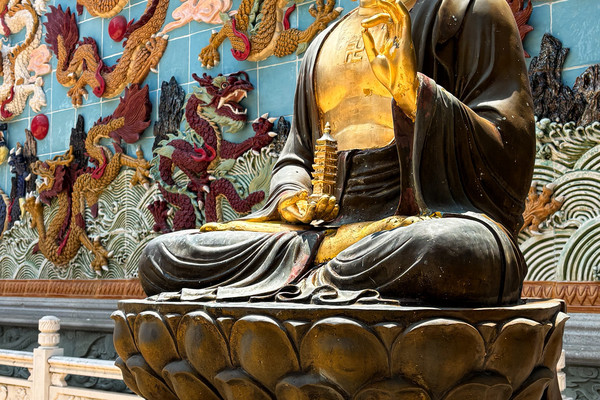
Nanyue Court: Exploring the Little Forbidden City of Lingnan
Nanyue Court, a 66,000-square-meter imperial recreation in Lingnan, represents a growing shift toward “curated heritage” luxury tourism. Built with a 200 million RMB budget, the site blends traditional Southern Chinese architecture with imperial scale to house the Zhao Tailai collection, signaling a trend where high-cost architectural replicas drive regional tourism.
Why is “imperial recreation” architecture growing in luxury tourism?
The rise of sites like Nanyue Court, which opened in 2009, shows a preference for “hyper-realistic” cultural environments over traditional ruins. These complexes use massive budgets—such as the 200 million RMB spent on Nanyue Court—to create an idealized version of history that appeals to high-spend travelers.
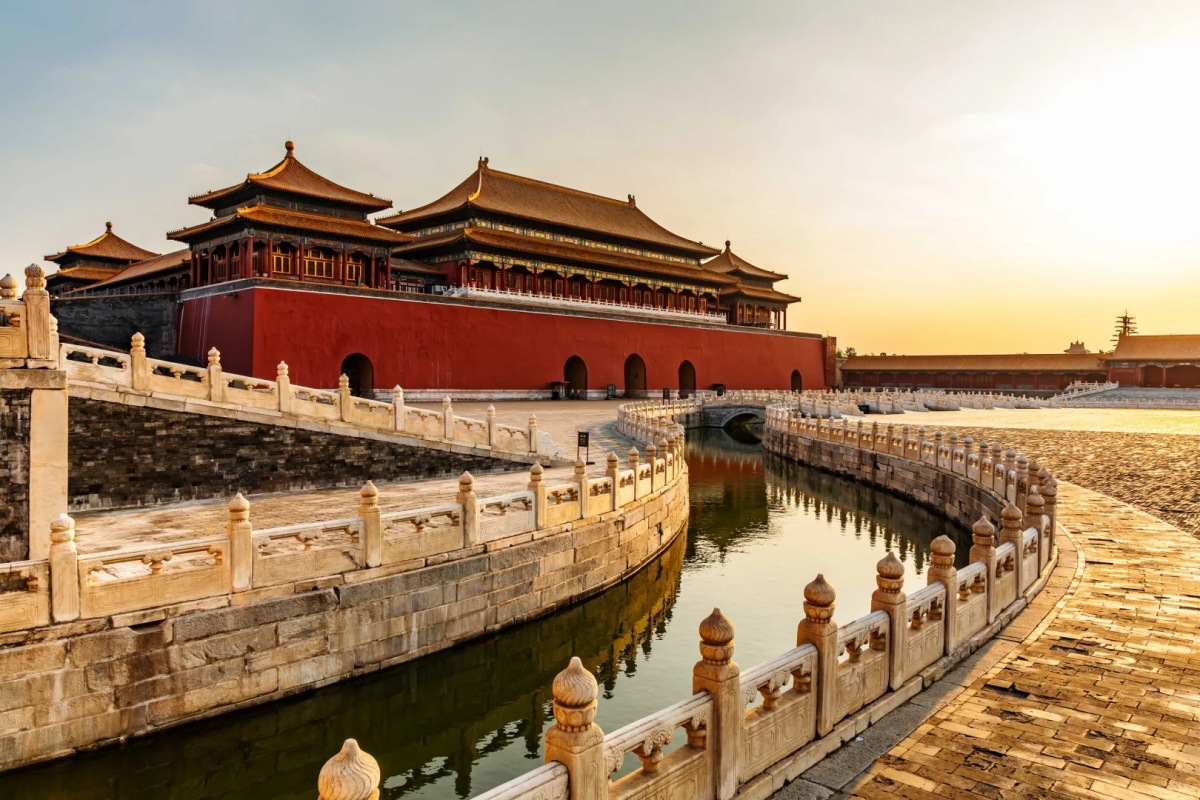
According to site specifications, the use of yellow roof tiles and red walls mimics the Forbidden City’s imperial scale, but adapts it to the Lingnan style. This hybrid approach allows destinations to offer the prestige of imperial China without requiring the visitor to travel to Beijing.
How does the integration of private collections impact cultural preservation?
Nanyue Court utilizes a model where private art collections are integrated into public tourism hubs. The site houses the Zhao Tailai collection, featuring rare jade, ancient ceramics, and intricate wood carvings in specialized pavilions.
This trend moves private archives into the public eye while ensuring the assets are maintained in climate-controlled, secure environments. By pairing these collections with architectural spectacles, the site increases the perceived value of the artifacts, turning a private gallery into a primary tourist draw.
What role does “visual architecture” play in modern visitor engagement?
Modern heritage sites are increasingly designed for “visual consumption.” Nanyue Court’s 300-meter-long red corridor and the Nine-Dragon Wall near the Feipu Songyin waterfall are engineered for specific lighting and atmospheric effects.
The use of artificial mist to create a “hovering effect” at the Nine-Dragon Wall demonstrates a shift toward sensory-driven architecture. According to visitor patterns, specific times—such as 3:30 PM for the red corridor—are prioritized to capture deep perspective shots and column shadows, showing that lighting is now a core part of the architectural blueprint.
How are digital platforms changing the way tourists access these sites?
The shift toward “bundle tourism” is evident in the pairing of Nanyue Court with Baomo Garden. Digital platforms like Trip.com now dominate the booking process, offering combo tickets that are cheaper than gate prices.
This trend indicates a move toward seamless, app-based itineraries. By bundling a luxury recreation site with a traditional garden, operators can increase the average “dwell time” of a tourist, encouraging them to spend more on local transport and services.
Comparison: Traditional Heritage vs. Curated Recreation
| Feature | Traditional Heritage Site | Curated Recreation (Nanyue Court) |
|---|---|---|
| Primary Goal | Historical Preservation | Experiential Luxury |
| Design Focus | Authenticity/Conservation | Visual Impact/Scale |
| Visitor Draw | Educational/Academic | Aesthetic/Photography |
Frequently Asked Questions
What is the best way to reach Nanyue Court?
Taxis are the recommended transport method due to speed and comfort in high temperatures.

How much did the construction of Nanyue Court cost?
The complex was built with a construction budget of 200 million RMB.
What can visitors see inside the pavilions?
The pavilions house the Zhao Tailai collection, which includes rare jade, ceramics, and wood carvings.
Is it cheaper to buy tickets online?
Yes, booking combo tickets for Baomo Garden and Nanyue Court via apps like Trip.com is typically cheaper than purchasing them at the gate.
For more insights on luxury travel trends and architectural heritage, explore our Travel Trends Guide or subscribe to our newsletter for the latest industry reports.
Have you visited a site that blends modern luxury with ancient style? Share your experience in the comments below.