
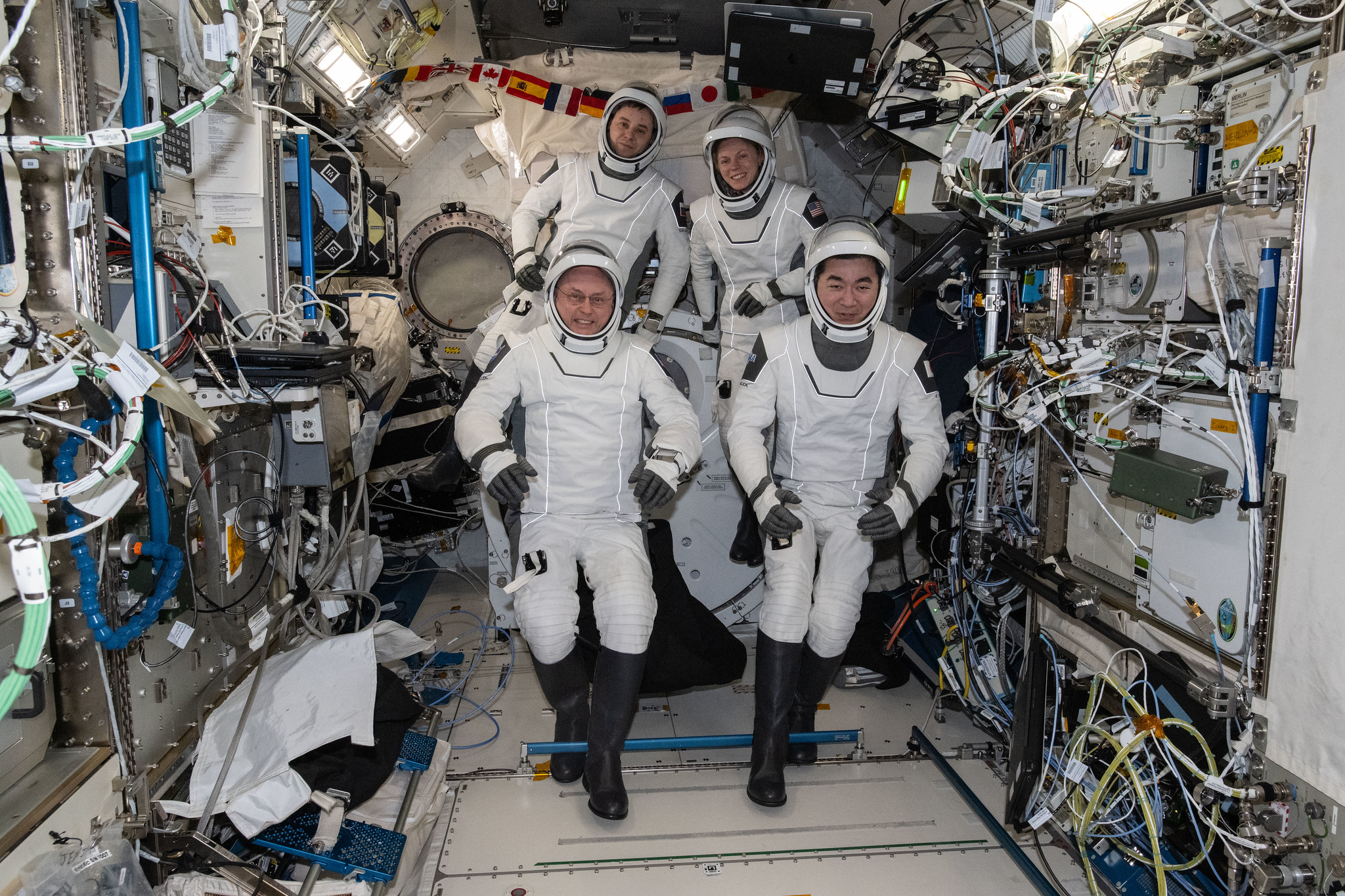
NASA Hosts SpaceX Crew-11 Astronauts for Public Event at Headquarters
Beyond the Orbit: The Future of Human Spaceflight and Deep Space Exploration
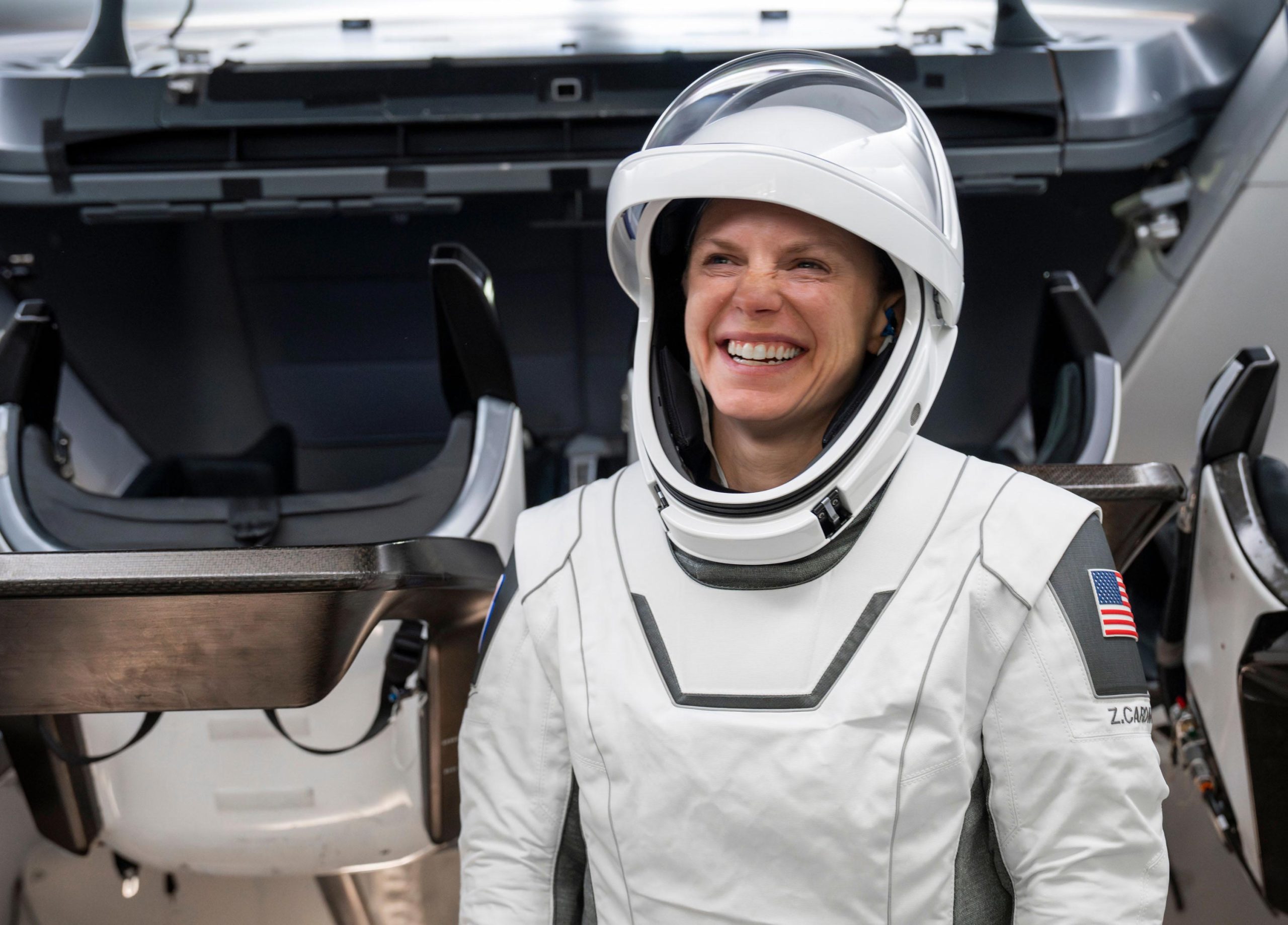
The recent return of the SpaceX Crew-11 mission marks more than just another successful rotation on the International Space Station (ISS). When astronauts like Zena Cardman and Mike Fincke log hundreds of hours of research and millions of miles in orbit, they aren’t just maintaining a laboratory—they are writing the playbook for the next century of human expansion.
As we transition from the era of “visiting” space to “living” in it, several pivotal trends are emerging that will redefine our relationship with the cosmos.
The Pivot to Commercial Low Earth Orbit (LEO)
For decades, government agencies have shouldered the entire burden of space station operations. However, we are witnessing a massive shift toward the commercialization of Low Earth Orbit. The success of the NASA Commercial Crew programme has proven that private entities like SpaceX can provide reliable, cost-effective transportation.
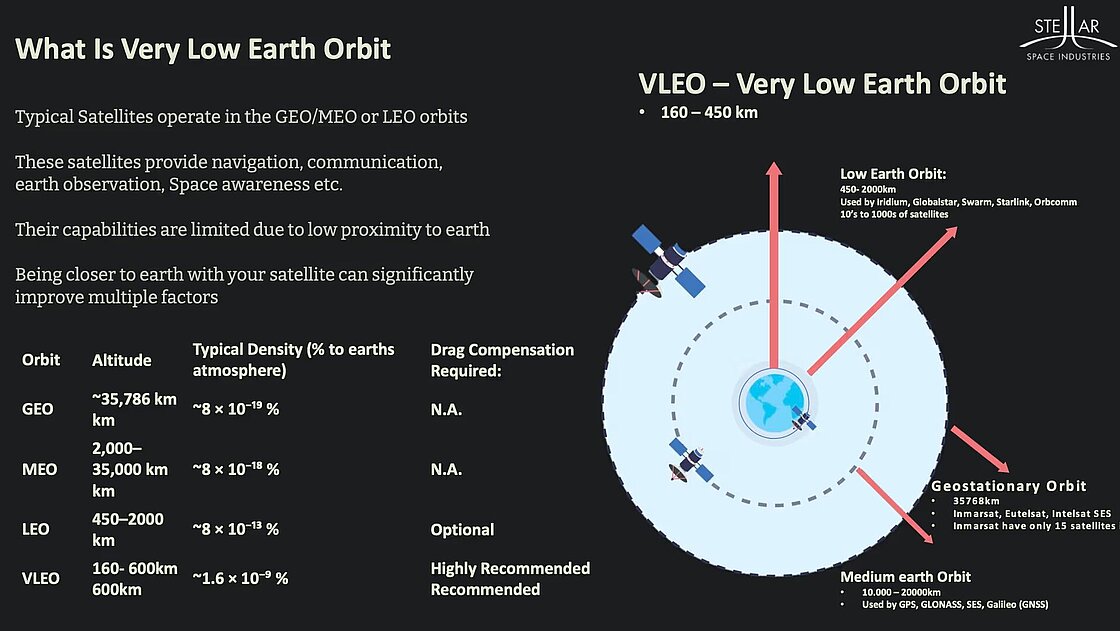
The next step is the transition from the ISS to commercial space stations. Companies like Axiom Space and Blue Origin are designing modular habitats that will eventually replace the aging ISS. This allows NASA to stop acting as a “landlord” in LEO and instead become a “customer,” freeing up billions of dollars for deep space exploration.
This shift will likely lead to “space tourism” evolving into “space industry,” where pharmaceutical companies and materials scientists conduct research in microgravity without needing a government-sponsored astronaut to run the experiments.
Solving the ‘Human Problem’ for Mars
While the technology to build a rocket is largely solved, the “human problem” remains the biggest hurdle for missions to Mars. Long-duration missions, such as the 167-day stint of Crew-11, serve as critical health studies for the Artemis campaign.
The Battle Against Radiation and Atrophy
Deep space travel exposes astronauts to galactic cosmic rays and solar particles that can damage DNA. Future trends in space medicine are focusing on:
- Advanced Shielding: Developing hydrogen-rich materials to block radiation.
- Synthetic Gravity: Exploring rotating spacecraft sections to prevent muscle and bone loss.
- Psychological Resilience: Using AI-driven mental health support to combat the isolation of a three-year round trip to Mars.
The Moon as the Ultimate Proving Ground
The trend is clear: the Moon is no longer the destination; it is the gateway. The Artemis missions are designed to establish a sustainable human presence on the lunar surface, which serves as a low-risk testing site for Mars technologies.
Key focus areas for the coming decade include:
- In-Situ Resource Utilization (ISRU): Learning to extract oxygen and water from lunar regolith (moon dust) so astronauts don’t have to carry everything from Earth.
- The Lunar Gateway: A small space station orbiting the Moon that will act as a communication hub and staging point for surface landings.
- Autonomous Construction: Using 3D printing and robotics to build habitats before humans even arrive.
A New Era of International Space Diplomacy
The composition of missions like Crew-11—featuring NASA, JAXA, and Roscosmos—highlights the enduring importance of international cooperation. Despite geopolitical tensions on Earth, the ISS has remained a sanctuary of scientific diplomacy.
Looking forward, we can expect to see “coalitions of the willing.” While the US-led Artemis Accords are expanding, other blocs (such as China and Russia’s International Lunar Research Station) are forming. The future of space will likely be a hybrid of competitive “space races” and essential collaborations on safety and rescue protocols.
For more on how these partnerships work, check out our guide on The Legal Framework of Outer Space.
Frequently Asked Questions
How does the ISS help us get to Mars?
The ISS acts as a testbed. By studying how the human body and equipment react to long-term microgravity and radiation, NASA can develop the medical and technical countermeasures needed for a multi-year journey to Mars.
What is the Artemis campaign?
Artemis is NASA’s programme to return humans to the Moon, including the first woman and first person of colour, to establish a long-term presence and prepare for eventual Mars missions.
Will private citizens eventually live in space?
Yes. With the rise of commercial space stations and reduced launch costs via reusable rockets, we are moving toward a future where scientists, engineers, and eventually civilians can reside in LEO for extended periods.
Join the Conversation
Do you think humans will set foot on Mars by 2040? Or should we focus our resources on perfecting lunar colonies first? Let us know your thoughts in the comments below or subscribe to our newsletter for weekly updates on the frontier of space exploration!