NASA Officially Ends MAVEN Mars Mission
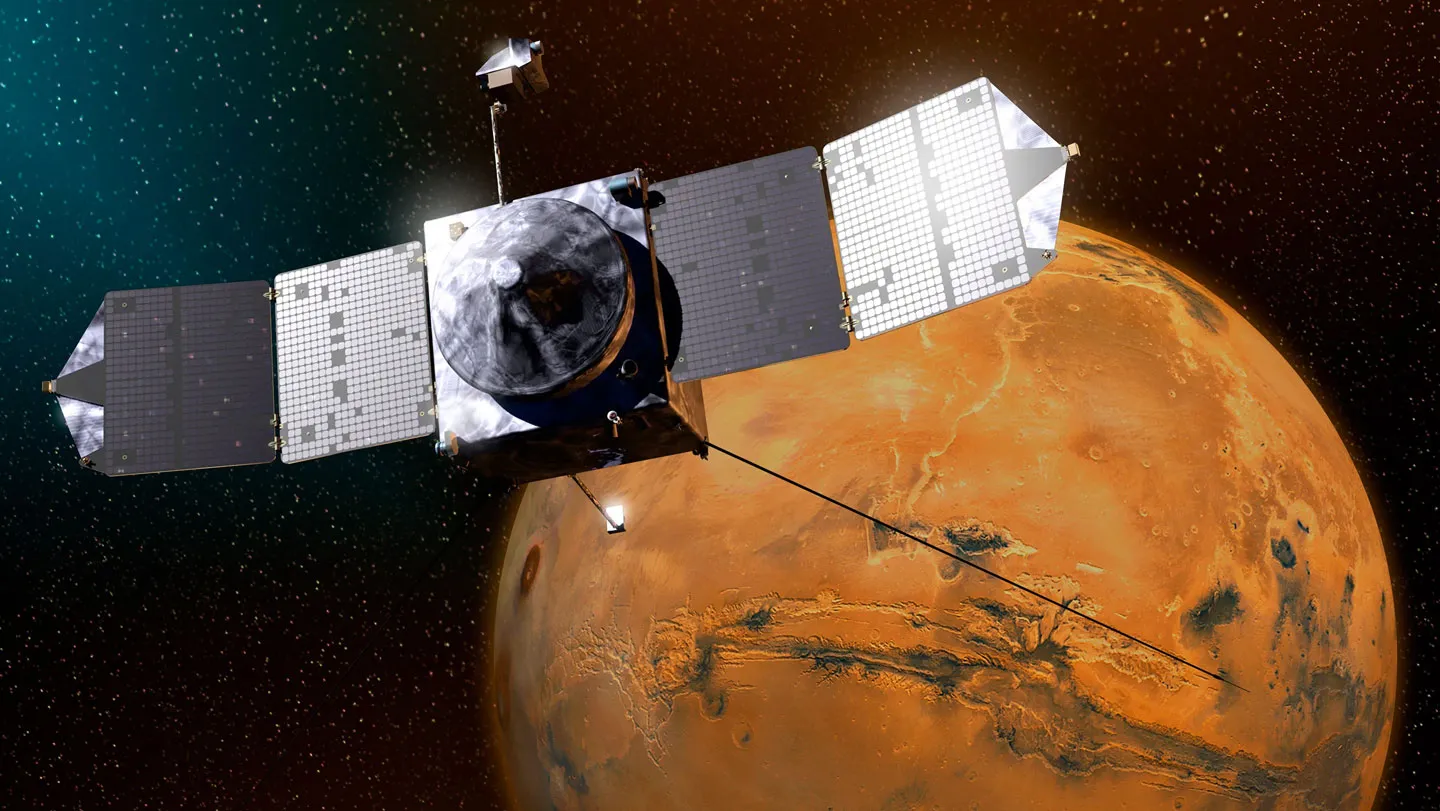
NASA has officially concluded the MAVEN mission after the veteran spacecraft unexpectedly went silent. The orbiter, which spent over a decade studying the Martian atmosphere, is now considered unrecoverable by project managers.
The Cause of the Mission Failure
The spacecraft, known as MAVEN (Mars Atmosphere and Volatile Evolution), last contacted Earth in December 2025. Upon emerging from behind Mars, radio dishes were unable to locate its signal.

Data fragments from December 6 indicated the spacecraft was spinning at approximately 2.7 revolutions per minute. A review board determined this anomalous rotation drained the batteries, which subsequently cut power to communications.
Impact on Planetary Habitability
MAVEN’s primary objective was to understand how the Red Planet’s climate changed over time. Its findings provide the strongest evidence yet for why Mars shifted from a warm, wet world capable of supporting liquid water to the cold, dry environment seen today.
The orbiter discovered that solar wind—a stream of charged particles from the sun—constantly strips gas molecules from the atmosphere. During solar storms, this escape rate may jump by a factor of 10.
The mission also observed atmospheric sputtering for the first time on any planet. This process occurs when heavy ions plunge into the atmosphere and splash lighter, neutral molecules out into space.
Communication and Future Risks
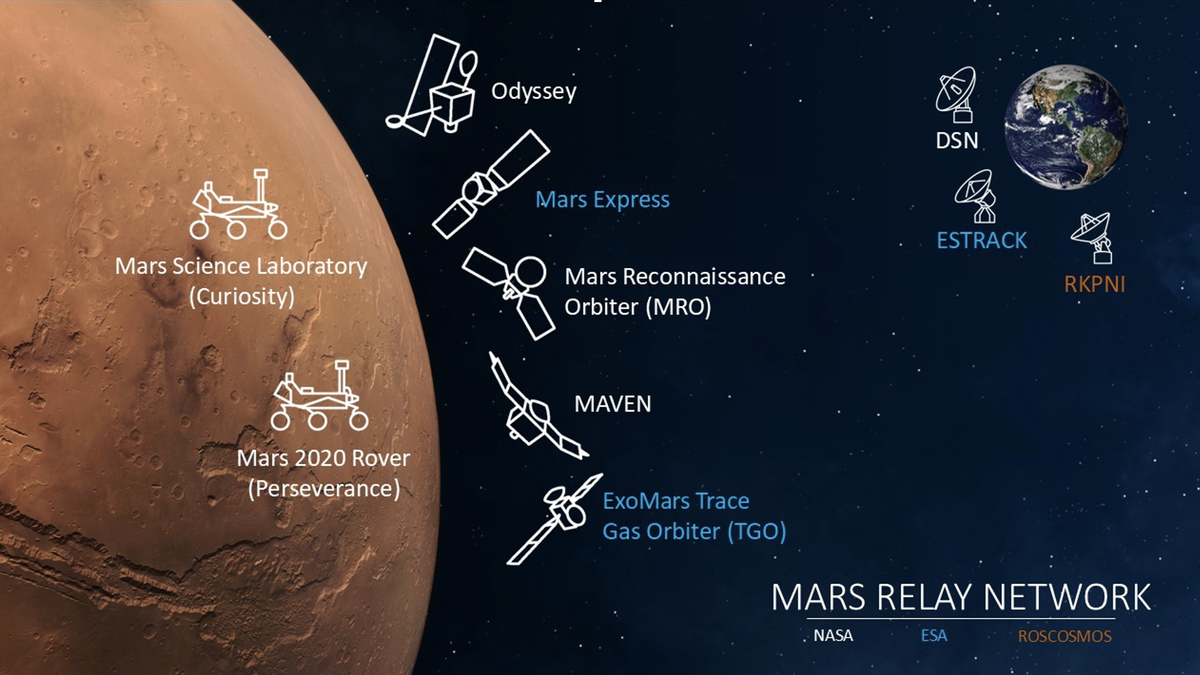
Beyond science, MAVEN served as a key component of the five-satellite Mars Relay Network. The network now operates with four satellites, which has led to occasional delays in data transmission from rovers.
NASA is planning a new Mars Telecommunications Network to support future human exploration and sample return missions. However, this new system may not be operational until 2030 or later.
Current assets range from 10 to 25 years old, leading some scientists to warn that Mars infrastructure is growing more fragile. Future surface missions must now rely on the Mars Reconnaissance Orbiter and Mars Odyssey, though their futures could be threatened by proposed budget changes.
Additional Discoveries
- Observation of new types of auroras at Mars, coordinated with the Perseverance rover.
- Evidence that a 2018 global dust storm lofted water molecules high into the atmosphere, facilitating their escape.
- A comprehensive understanding of atmospheric escape that exceeds the data available for any other planet, including Earth.
Frequently Asked Questions
Why was the MAVEN mission declared over? The spacecraft experienced an anomalous rotation of 2.7 revolutions per minute, which drained its batteries and severed communications with Earth. NASA has concluded the spacecraft is not recoverable. How did MAVEN contribute to our understanding of life on Mars? It provided evidence that the loss of the atmosphere transformed Mars from a warm, wet world capable of supporting liquid water into a cold, dry one, explaining why the planet is no longer hospitable. What happens to Mars communications now that MAVEN is gone? The Mars Relay Network has adjusted to using four satellites instead of five. While the network remains resilient, there are now occasional delays in getting science data.
Do you believe the risk of relying on aging space infrastructure is being adequately addressed for future human missions to Mars?