

NASA Perseverance Rover Discovers Ancient Hidden River System Beneath Mars Surface
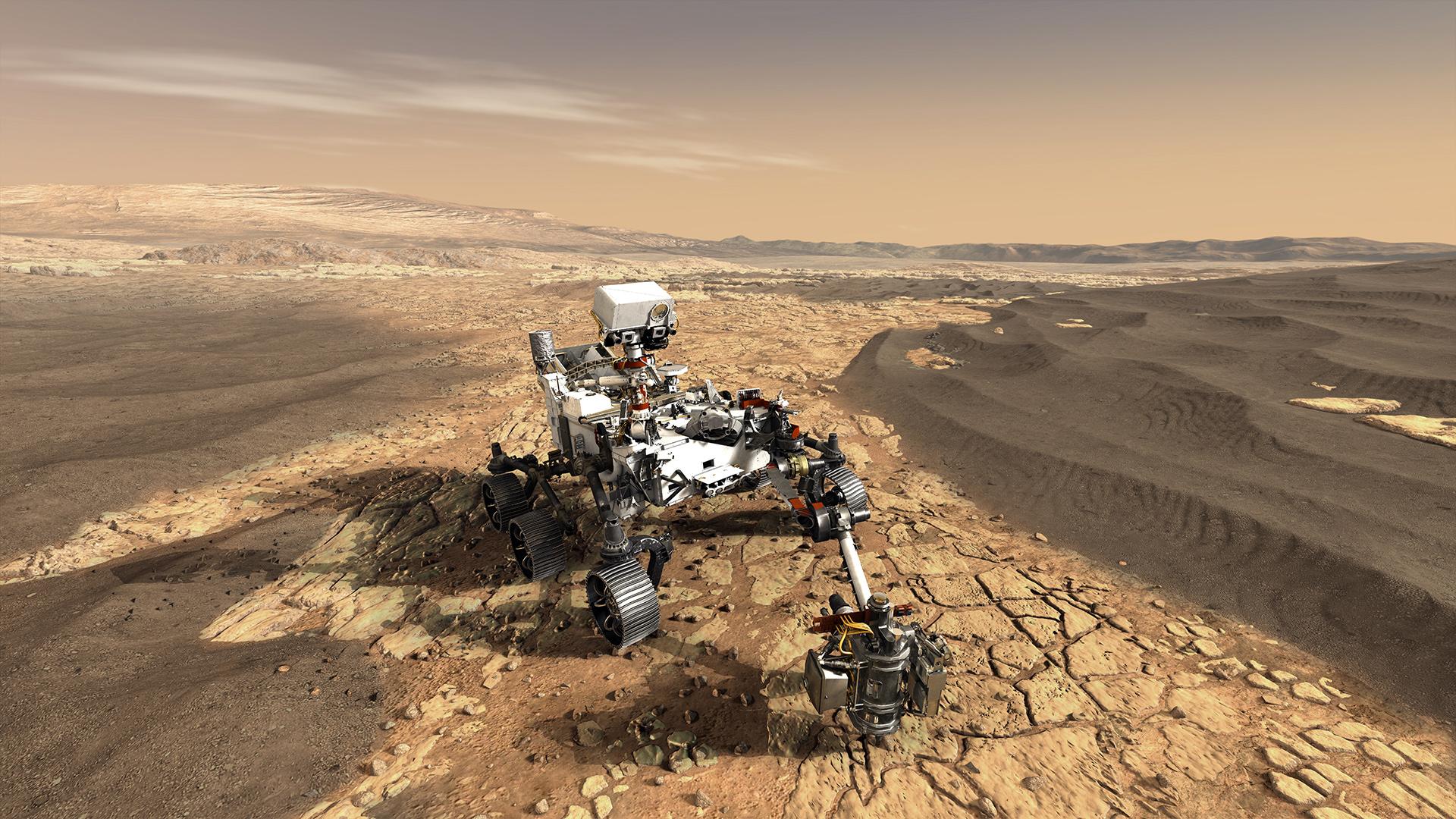
NASA’s Perseverance rover has uncovered evidence of an extensive, ancient river delta buried beneath the surface of Mars’ Jezero Crater, suggesting the planet hosted liquid water for significantly longer than previously estimated. According to data published by researchers at the University of California, Los Angeles (UCLA), radar scans from the rover’s RIMFAX instrument reveal deep sedimentary layers that indicate sustained fluvial activity, potentially extending the window for biological habitability on the Red Planet.
How did radar reveal a hidden river system?
The Perseverance rover utilized its Radar Imager for Mars’ Subsurface Experiment (RIMFAX) to peer up to 35 meters beneath the Martian surface between September 2023 and February 2024. By scanning a 6.1-kilometer traverse, the instrument detected complex, angled rock layers that represent ancient sediment deposits. Lead researcher Emily Cardarelli of UCLA noted that these radar records appear more transparent than surface-level observations, allowing the team to identify distinct, channel-like structures typical of terrestrial river deltas. These findings confirm that the surface features observed from orbit are merely the tip of a much deeper, more dynamic geological history.
The radar data captured on Sol 1052 revealed complex subterranean structures that had never been documented in previous Mars missions, providing a rare “cross-section” view of ancient Martian geology.
Why does the duration of surface water matter?
The habitability of Mars depends largely on the persistence of liquid water. Scientists estimate the delta in Jezero Crater formed roughly 3.7 billion years ago, during the transition from the late Noachian to the early Hesperian periods. According to findings reported by Science Alert, a longer period of water flow provides a greater opportunity for the development of microorganisms. While previous models suggested a shorter, more sporadic presence of water, the discovery of deep, stacked sedimentary deposits points to a consistent, long-term environmental stability that could have supported life.
How do these findings compare to past Mars missions?
Previous orbital observations often struggled to resolve the depth and complexity of Martian sediment, frequently underestimating the total volume of deposited material. The contrast between orbital imagery and the ground-truth data provided by Perseverance is significant. While orbiters provided a broad map of the crater, the RIMFAX instrument provides a vertical timeline of the environment. This discrepancy highlights the necessity of in-situ rover missions; where orbiters saw a surface-level delta, Perseverance has now uncovered a multi-layered history of repeated flooding and erosion events that were invisible from space.
Pro Tip: The Importance of Subsurface Data
When analyzing planetary data, always look for the distinction between surface mapping and subsurface sounding. Orbital imagery captures the “what,” but ground-based radar captures the “how long,” which is the critical variable for assessing past life.
Frequently Asked Questions
Could life still exist on Mars today?
Current evidence suggests Mars is a cold, dry, and radiation-heavy environment. Scientists are primarily searching for signs of ancient life, such as fossilized microbes, rather than active biological organisms.
What is the “Margin” unit mentioned by researchers?
The Margin is a specific geological unit within Jezero Crater rich in carbonate and olivine minerals. Its formation was a long-standing mystery until RIMFAX data revealed it sits atop a complex, hidden delta structure.
Why is Jezero Crater the primary target for Perseverance?
Jezero Crater was selected because it contains an ancient delta, which is one of the most promising locations on Mars for preserving organic material and evidence of past microbial life.
Do you believe the discovery of ancient water systems increases the likelihood of finding fossilized evidence of life? Share your thoughts in the comments below or subscribe to our newsletter for the latest updates on the Perseverance mission.