
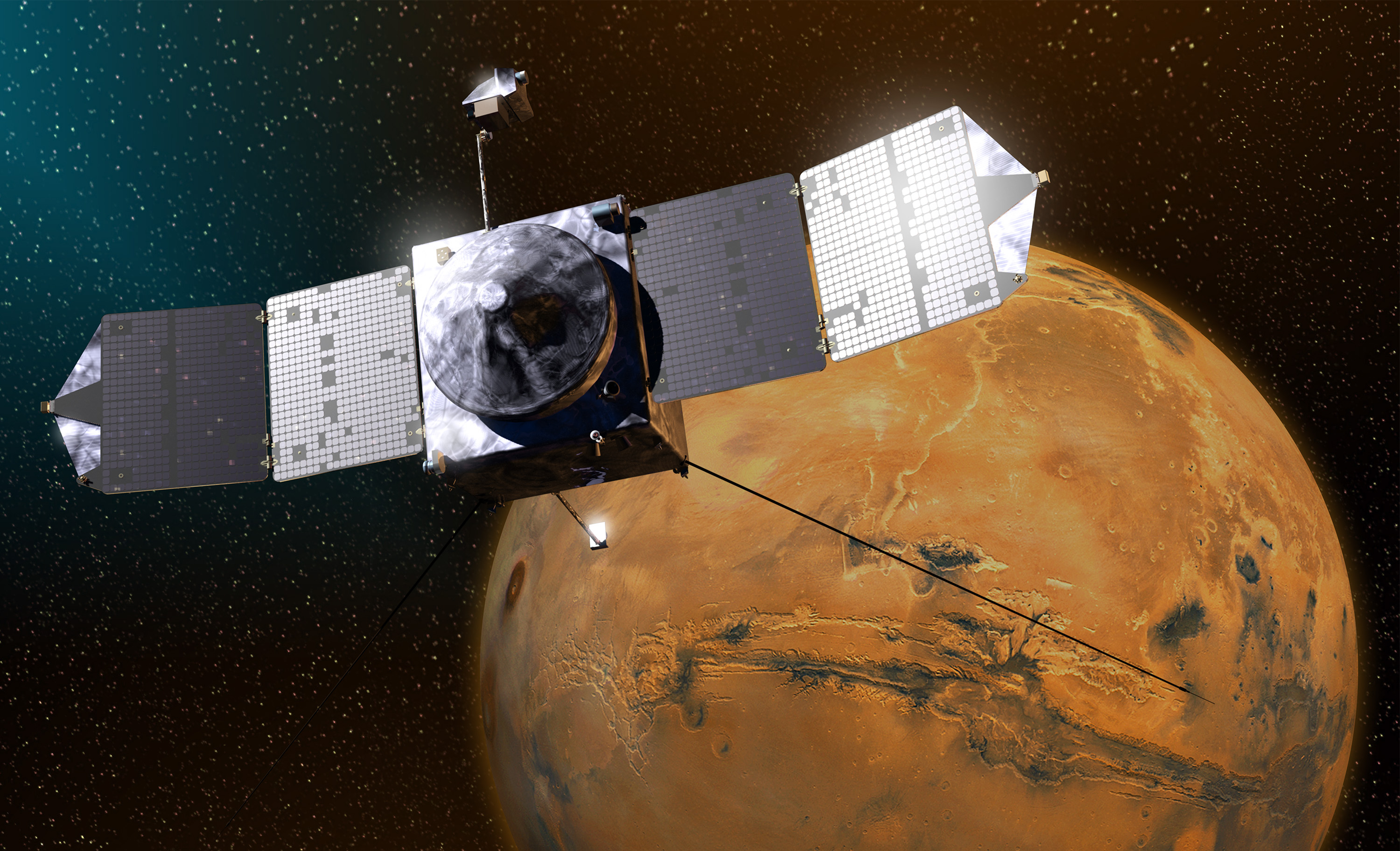
NASA Says Farewell to MAVEN Mars Mission, Hosts Media Call Today
The End of an Era: What MAVEN’s Legacy Means for the Future of Mars Exploration
For over a decade, NASA’s MAVEN (Mars Atmosphere and Volatile Evolution) spacecraft served as our primary eyes in the Martian sky. It didn’t just orbit the Red Planet; it acted as a planetary detective, uncovering the secrets of how Mars transformed from a potentially lush, water-rich world into the arid, frozen desert we see today. Now, as NASA officially retires the mission, we aren’t just saying goodbye to a satellite—we are closing a chapter that has fundamentally shifted our strategy for future human colonization.
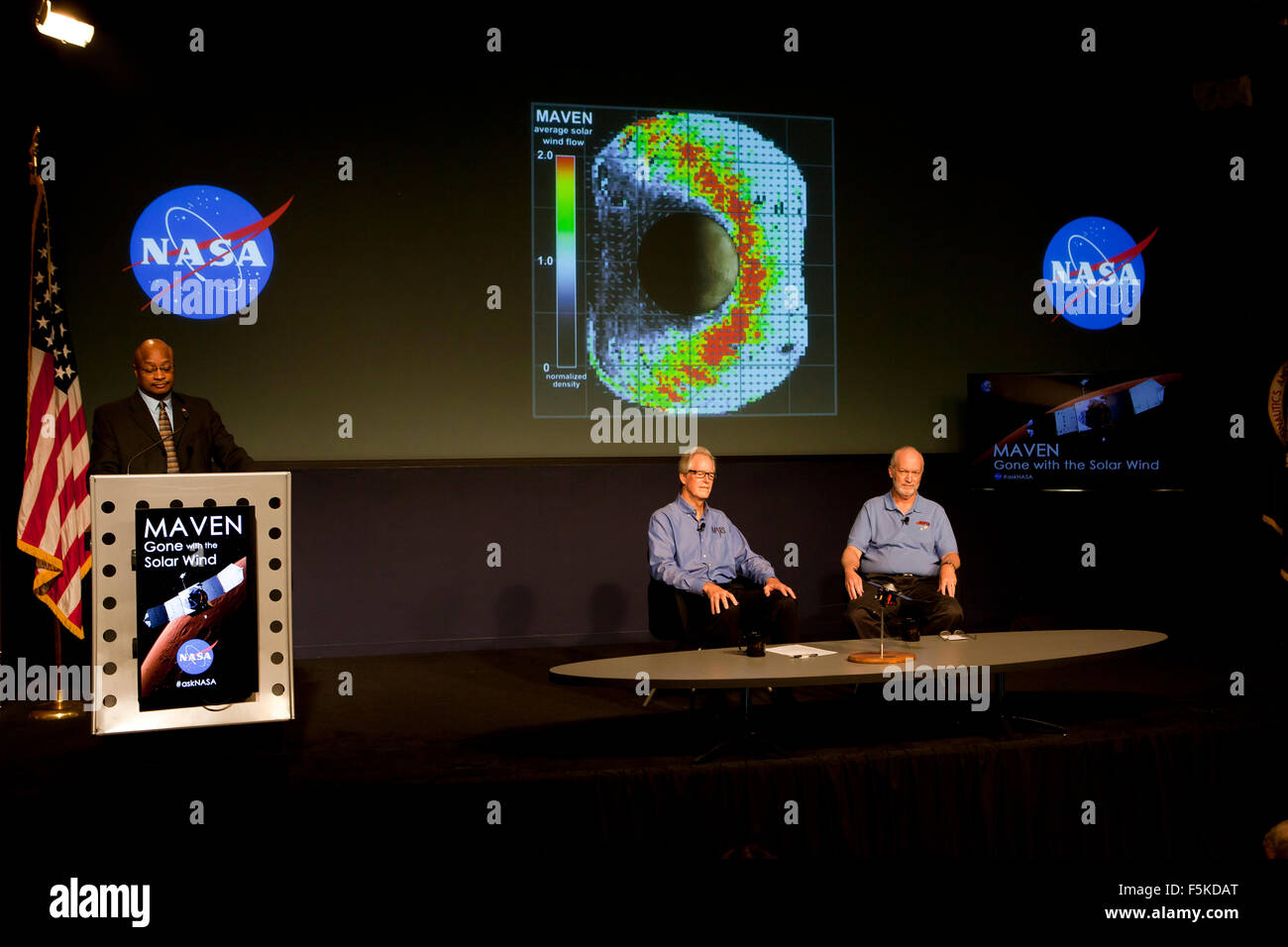
The loss of signal in December was a quiet end to a noisy, productive career. An anomaly review board has confirmed that the spacecraft is unrecoverable, likely due to a trajectory disruption that sent it into a fatal spin, draining its batteries. While the mission ends, the data it gathered remains a goldmine for scientists planning the next giant leap in space exploration.
Decoding the Martian Atmosphere: Why It Matters
MAVEN’s core mission was to understand atmospheric loss. By observing how solar winds and storms strip away gases, the team gained unprecedented insight into the planet’s climate history. This isn’t just academic curiosity; it is a prerequisite for survival.
If we are to send humans to Mars, we need to know exactly what they will be stepping into. MAVEN’s findings on how solar radiation impacts the Martian surface are crucial for designing the radiation shielding and safety protocols necessary for long-term human habitation. We aren’t just learning about Mars; we are learning how to build a bunker on another planet.
Key Discoveries That Changed the Game
Beyond atmospheric mechanics, MAVEN surprised the scientific community with its versatility. Here are some of the most significant findings that will influence future space missions:
- Martian Auroras: MAVEN identified unique proton auroras that occur across the planet, not just at the poles. Understanding these light shows helps us map the planet’s magnetic interactions.
- Atmospheric Sputtering: By observing argon, scientists mapped how ions literally “splash” gas molecules out of the atmosphere, providing a real-time look at how a planet loses its air.
- Dust Storm Dynamics: During the 2018 global dust storm, MAVEN confirmed that these events loft water molecules high into the atmosphere, accelerating the loss of water to space. This is a critical factor in understanding the planet’s water cycle.
The Future: Preparing for Humans on Mars
As we pivot toward crewed missions, the “MAVEN effect” will be felt in every design choice. The data collected regarding the upper atmosphere and the ionosphere is now being integrated into predictive models for landing and takeoff safety.

The focus is shifting from “exploration” to “preparedness.” Future missions will likely be equipped with sensors derived from MAVEN’s instrument suite to provide real-time updates on space weather, protecting astronauts from the same solar storms that MAVEN spent years documenting.
Frequently Asked Questions
Why couldn’t NASA recover MAVEN after it went into safe mode?
The anomaly review board determined that MAVEN was spinning at an unusually high rate. This rotation prevented its solar panels from staying oriented toward the Sun, causing the batteries to drain completely and severing the spacecraft’s ability to communicate or perform maneuvers.
What happens to the scientific data now?
NASA has begun the decommissioning process, which includes archiving the full, 11-year dataset. This information will remain open to the public and the scientific community for decades, serving as a baseline for future studies.
Does this mean our Mars missions are now at risk?
Not at all. While the loss of MAVEN is a blow to the relay network, NASA maintains a robust infrastructure of satellites and rovers. The lessons learned from MAVEN are already being applied to the next generation of Mars orbiters and surface missions.
What do you think is the biggest challenge for the next generation of Mars explorers? Share your thoughts in the comments below, or subscribe to our newsletter for the latest updates on deep space research and the future of human spaceflight.