
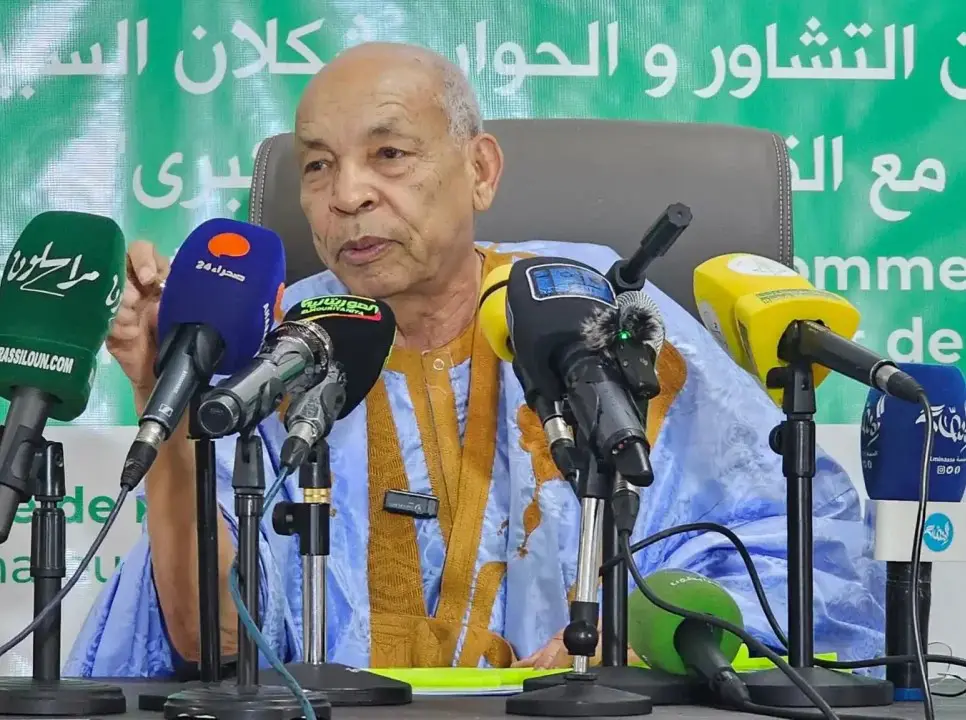
National Dialogue Closing Conference: Framework for Final Reforms
A document presented by National Dialogue coordinator Moussa Fall outlines a three-to-four-day closing national conference to finalize political and ethical reforms. According to Sahara Media, the event will culminate in a “National Declaration of Consensus” and a presidential commitment to a formal implementation and monitoring mechanism to ensure stability and development.
What is the purpose of the National Closing Conference?
The closing conference serves as the final stage of the national dialogue process, acting as the official framework for adopting final conclusions. According to the document accessed by Sahara Media, the session will focus on presenting the balance of preparatory work and results from thematic workshops.
Participants will collectively examine proposed recommendations to verify their integrity and coherence. The goal is to reach a consensual and official version of these reforms. Once adopted, these decisions will function as a political and ethical reference for the reform process that follows the dialogue.
How will the closing process be structured?
The proposed timeline for the conference spans three to four days. According to the coordinator’s document, the event begins with an official opening session under the patronage of the President of the Republic.
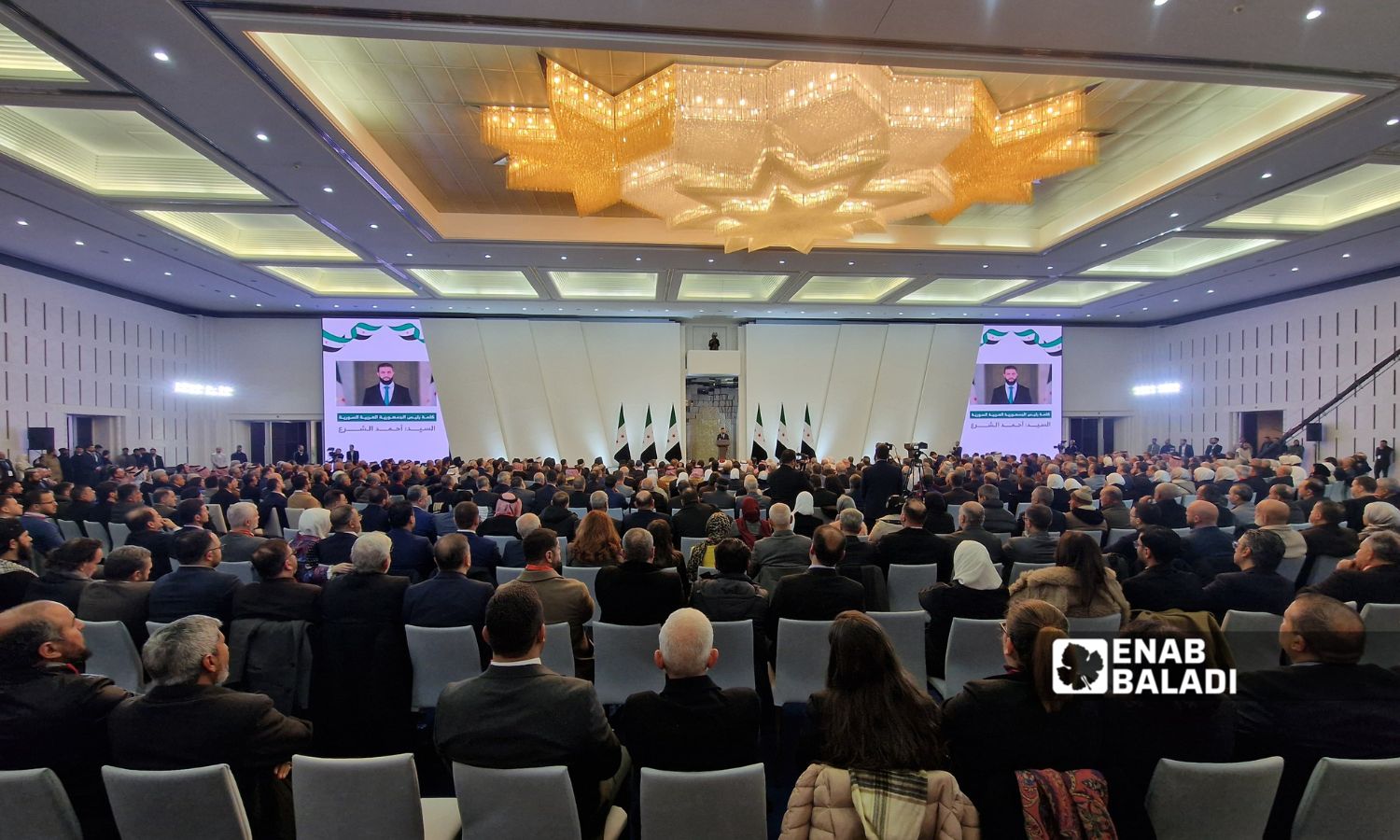
The schedule includes:
- Thematic meetings: Dedicated sessions to examine and adopt final reports.
- Plenary session: A collective meeting to formally adopt the final recommendations.
- Closing ceremony: The reading of the “National Declaration of Consensus” followed by a presidential address.
The President’s final speech is not merely ceremonial. Sahara Media reports that the document specifies the President will use this address to commit to implementing the conclusions and establishing a dedicated monitoring mechanism.
What happens after the National Declaration of Consensus?
The adoption of the declaration marks the end of the dialogue phase and the start of a “new phase of common work.” The document describes this transition as a shift toward implementing agreed-upon reforms to strengthen national unity and sustainable development.
The critical component of this next phase is the monitoring mechanism. By establishing a way to track progress, the government aims to move beyond rhetoric into verifiable policy changes. This approach mirrors successful governance transitions seen in other emerging democracies where institutional transparency is prioritized over simple agreements.
Comparison: Dialogue vs. Implementation
The process outlined by Moussa Fall distinguishes clearly between two different operational modes:
- Dialogue Phase: Focused on thematic workshops, consensus-building, and the identification of grievances.
- Implementation Phase: Focused on the “National Declaration of Consensus,” presidential commitment, and the technical execution of reforms.
While the dialogue phase is inclusive and broad, the implementation phase is structured and accountable, anchored by the President’s official pledge.
Frequently Asked Questions
Who is coordinating the national dialogue?
Moussa Fall is the coordinator responsible for presenting the framework and documents to the participating parties.
How long will the closing conference last?
The document proposes that the conference extend over three to four days.
What is the “National Declaration of Consensus”?
It is the final document that summarizes the agreed-upon recommendations and serves as the political and ethical roadmap for future national reforms.
Who will oversee the implementation of the reforms?
According to the document, the President of the Republic will establish a specific monitoring mechanism to track the execution of the dialogue’s conclusions.
For more updates on governance and political transitions, explore our latest analysis on national dialogue trends.