
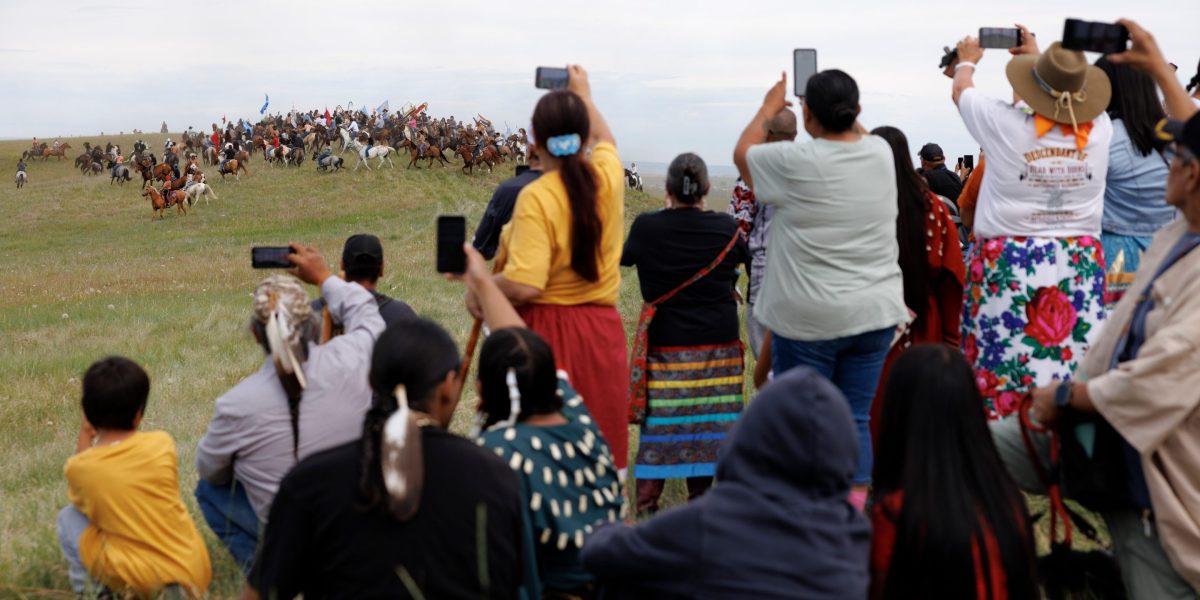
Native Americans Mark 150th Anniversary of the Battle of Little Bighorn
Native Americans are commemorating the 150th anniversary of the Battle of Greasy Grass—also known as the Battle of Little Bighorn—with horse rides, reenactments, and tribal gatherings in Montana and North Dakota. The event honors the victory of allied tribes over the U.S. Army, where Lt. Col. George Armstrong Custer and over 200 troops were killed.
Hundreds of people from numerous tribes have gathered in a camp along the Little Bighorn River. Horse riders from the Cheyenne River Reservation in South Dakota traveled hundreds of miles to reach the Crow Agency area in Montana, according to reports from the site. Traditional singer William Good Bird of the Spirit Lake Dakota Nation described the gathering as a celebration of his people’s victory and existence.
At the Standing Rock Sioux Reservation in North Dakota, celebrations include horse races and traditional songs and dances. Jon Eagle Sr., a former Standing Rock tribal historic preservation officer, stated that these races honor the “horse nation” that aided their ancestors 150 years ago.
Why did the Battle of Greasy Grass gain national recognition?
Historian Dakota Goodhouse stated that while other Native victories occurred between March 1876 and June 1877, the Battle of Greasy Grass gained the most national attention because the commanding officer was killed. The Lakota, led by figures such as Sitting Bull and Crazy Horse, overwhelmed Custer’s forces, who were spread miles apart across the hilly terrain.
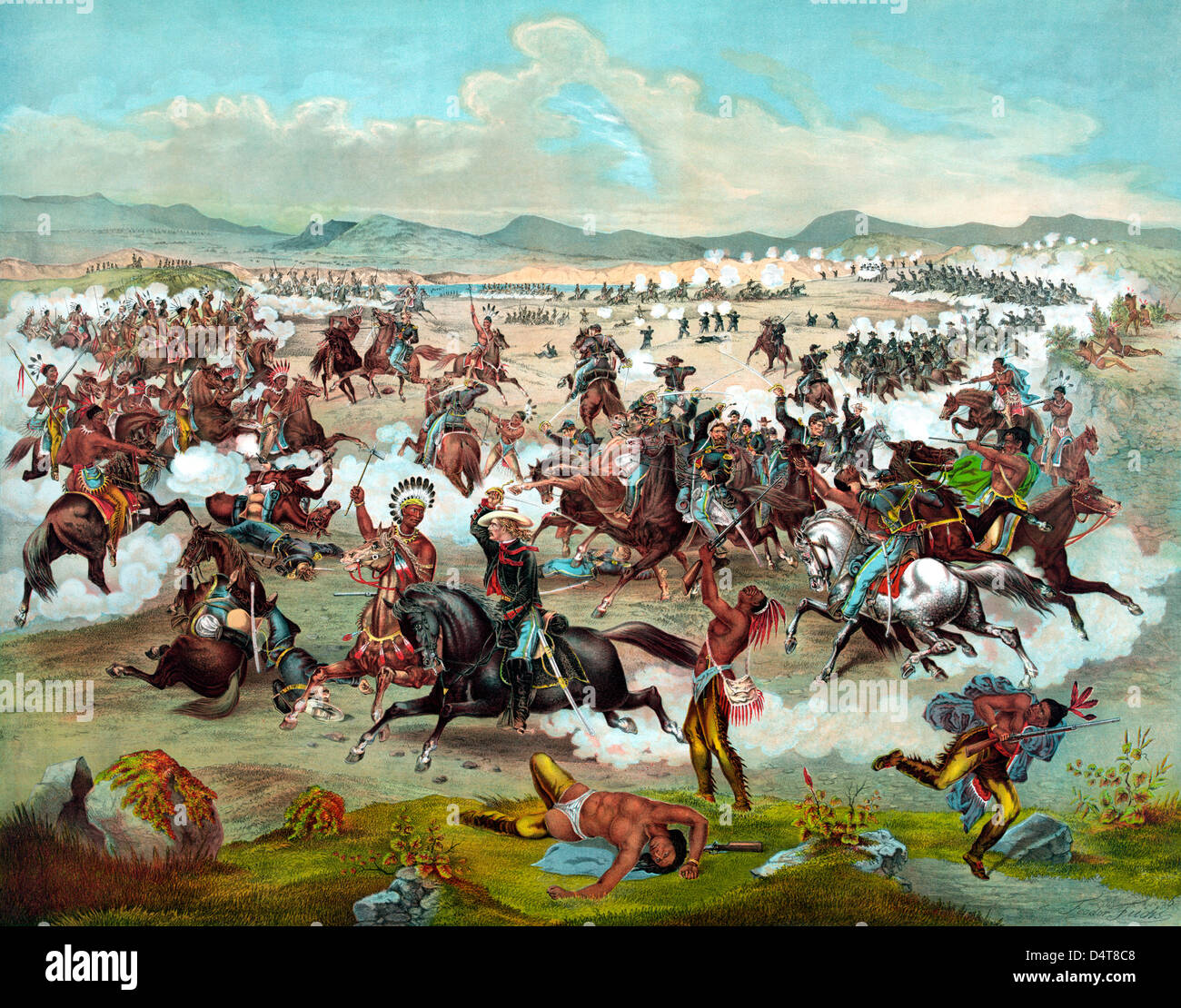
The conflict was rooted in economic drivers. According to Goodhouse, a Custer expedition confirmed the discovery of gold in the Black Hills of present-day South Dakota years earlier. This discovery spurred a military campaign to push Great Plains tribes onto reservations, or agencies.
How is the legacy of George Armstrong Custer analyzed?
Custer remains a polarizing figure in American history. Biographer T.J. Stiles described him as a distinguished combat officer by the end of the Civil War, but noted he often struggled with the management side of leadership and the Army’s chain of command.
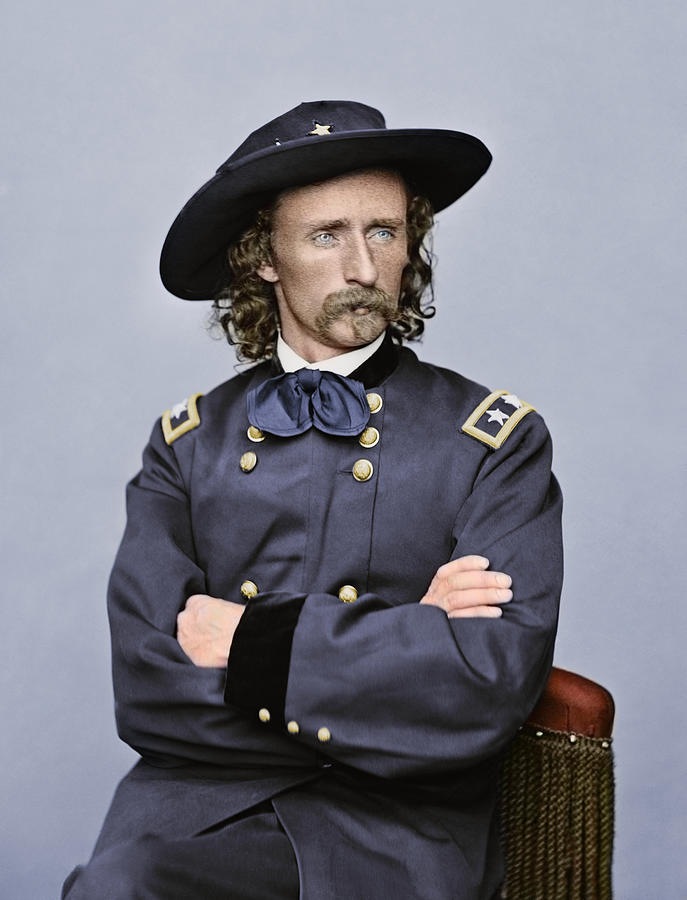
Goodhouse noted a contrast in Custer’s persona, describing him as potentially progressive because he became fluent in sign language and learned to speak Lakota and Arikara. However, this existed alongside a federal government effort to displace Native Americans and erase their languages through boarding schools.
What is the impact of these commemorations on future generations?
Reenactments featuring hundreds of warriors have occurred near the battlefield for more than 30 years. Jim Real Bird, a Crow tribal member and reenactment coordinator, stated that these events are critical for language preservation, noting that Native American identity is diminished without the language.
The gatherings serve as a means of passing down oral histories. Jon Eagle Sr. noted that the events allow descendants to learn they are from a “powerful nation” that survived despite federal efforts to subdue them. Theresa Long Turkey of the Lower Brule Sioux Tribe described the annual event as “fuel” and a personal renewal.
Looking forward, these traditions may continue to serve as a primary vehicle for cultural transmission. The emphasis on oral history and language could likely increase the preservation of ancestral narratives among younger generations. Continued gatherings may also reinforce tribal connections across state lines, from the Dakotas to Washington state.
Frequently Asked Questions
Who was killed during the Battle of Greasy Grass?
Lt. Col. George Armstrong Custer and more than 200 of his troops were killed during the battle.

What caused the U.S. military campaign against the Great Plains tribes?
According to historian Dakota Goodhouse, the discovery of gold in the Black Hills by a Custer expedition spurred the campaign to move tribes onto reservations.
How do the commemorations preserve tribal culture?
The events utilize choreography based on Northern Cheyenne oral history and focus on horsemanship and language preservation to educate younger generations.
Do you believe oral histories provide a more accurate account of historical events than traditional textbooks?