
/s3/static.nrc.nl/wp-content/uploads/2026/06/25083026/250626VER_2034740588_Mark.jpg "NATO Chief Rutte Courts Trump with Defense Spending Figures and Iran Strategy")
NATO Chief Rutte Courts Trump with Defense Spending Figures and Iran Strategy
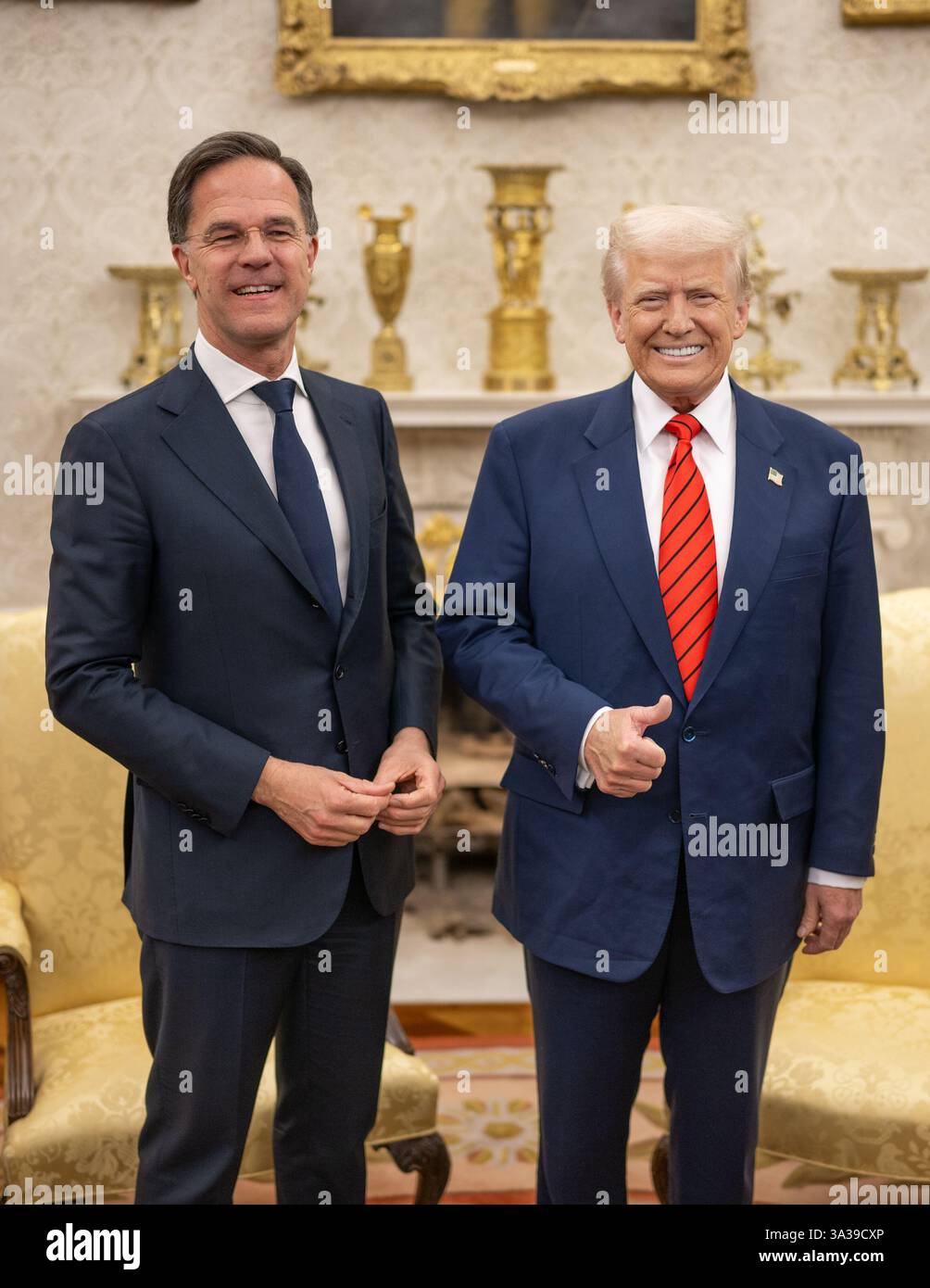
NATO Secretary-General Mark Rutte is intensifying diplomatic efforts to align European defense contributions with U.S. expectations ahead of the July NATO summit in Turkey. During a recent Oval Office meeting, Rutte presented data to President Donald Trump demonstrating $1.2 trillion in increased defense spending by European and Canadian allies since 2017, aiming to solidify the transatlantic alliance amid ongoing friction regarding military logistics and Iran-related operations.
How is the “Trump Trillion” changing the NATO debate?
The “Trump Trillion”—a term used by Rutte to quantify the $1.2 trillion in additional defense investments by non-U.S. NATO members—serves as a primary diplomatic tool to counter claims that European allies are underfunding the alliance. According to Rutte, these figures prove that European partners have increased their financial commitment to security and the U.S. defense industry since 2017. While President Trump has historically criticized allies for insufficient contributions, Rutte’s data presentation aims to shift the narrative from a perceived lack of support to a record of significant growth in military capacity.
Why are European military bases becoming a flashpoint?
Operational reliance on European bases for U.S. missions, specifically regarding Iran, has triggered internal political disputes within NATO member states. Rutte recently stated that 500 U.S. aircraft utilized bases in Italy to support operations against Iran, a claim that was quickly clarified by Italian Defense Minister Guido Crosetto. Crosetto emphasized that these were solely technical and logistical flights, not combat sorties, as Italy maintains a strict policy of avoiding direct involvement in U.S.-Israeli strikes against Iran.
The diplomatic fallout in Italy
The friction regarding base usage underscores a broader tension between U.S. strategic needs and European domestic politics. According to reports, Italian opposition leaders have demanded explanations from Prime Minister Giorgia Meloni regarding the nature of these flights. This follows public criticism from President Trump, who previously accused the Italian government of failing to support U.S. interests by denying landing rights to American bombers at the Sigonella base in Sicily.

What are the long-term trends for NATO-U.S. relations?
The future of the alliance appears increasingly tied to a transactional model of security. Rutte’s strategy involves preemptively addressing Trump’s criticisms with hard data, attempting to insulate the alliance from potential U.S. withdrawal or reduced cooperation. This approach contrasts with traditional diplomatic norms, shifting toward a model where NATO leaders must actively “sell” the value of the alliance to the U.S. administration using industry-specific investment metrics.
Frequently Asked Questions
- What is the “Trump Trillion”? It refers to the $1.2 trillion in cumulative additional defense spending by European and Canadian NATO members since 2017.
- Why is Italy concerned about U.S. flights? Italian officials maintain that their bases are for logistics, not combat operations, to avoid direct escalation in the Middle East.
- What is the main goal of Rutte’s current diplomatic strategy? To prevent the erosion of the NATO alliance by demonstrating that European allies are meeting their financial and logistical obligations to the U.S.
How do you think European defense spending impacts your country’s security? Share your thoughts in the comments or subscribe to our newsletter for deep-dive updates on global security trends.