

NATO: The Paper Tiger of Collective Defense
NATO is transitioning from a collective defense guarantee to a pragmatic security syndicate where protection is tied to financial contributions and U.S. strategic interests, according to analyst Dairis Krastiņš. This shift prioritizes the protection of Western capital and the stability of arms markets over unconditional mutual aid.
Why is NATO being called a “paper tiger”?
The term “paper tiger,” popularized by Donald Trump, describes the gap between NATO’s symbolic power and its operational reality. Dairis Krastiņš argues that while the alliance appears formidable on paper, its actual military response depends on political unity, logistics, and current U.S. interests.
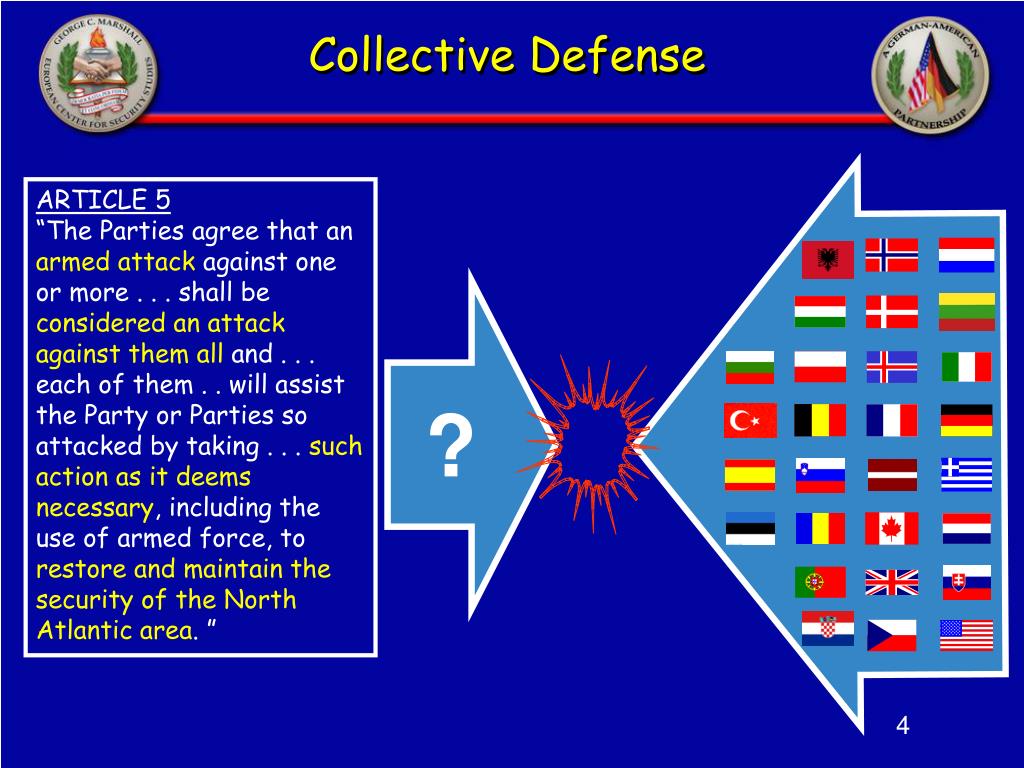
Article 5 is not an automatic trigger. According to Krastiņš, the forces available in the first 0-30 days—such as the NATO Response Force and the Very High Readiness Joint Task Force (VJTF)—serve more as political signals than a full defense against a massive invasion. Full mobilization typically takes 30 to 180 days, leaving a window of vulnerability.
How does the “security syndicate” model affect member funding?
NATO is shifting from a value-based community to a service-based transaction. Krastiņš notes that the previous benchmark of 2% of GDP for defense spending is being superseded. New projections suggest a target of 5% of GDP by 2035, with 3.5% for direct defense and 1.5% for infrastructure and resilience.
This financial pressure serves a dual purpose. It reduces the burden on the U.S. Treasury while ensuring that European spending flows back into the U.S. defense industry. Krastiņš describes this as an asymmetrical exchange: Europe pays for security but surrenders strategic autonomy to Washington.
What economic motives drive NATO military operations?
While official narratives cite human rights and democracy, Krastiņš attributes NATO’s global interventions to the protection of Western capital and resource flows. He points to three specific case studies:
- Libya (2011): Officially a humanitarian mission, Krastiņš argues the intervention secured oil resources and neutralized Muammar Gaddafi’s attempts to create financial settlement mechanisms outside the dominance of the U.S. dollar.
- Afghanistan (Post-2001): Beyond counter-terrorism, the analysis suggests the presence secured strategic proximity to Central Asian energy routes and mineral resources.
- The Balkans (1999): The Kosovo intervention is framed by Krastiņš as a move to consolidate Western geopolitical influence in a strategic corridor between Central Europe and the Black Sea.
How has the war in Ukraine changed NATO’s approach?
The conflict in Ukraine functions as a proxy war, allowing NATO to confront Russia without deploying its own troops. Krastiņš observes that this has exposed a critical flaw: the slow speed of NATO’s institutional decision-making compared to the rapid adaptation of modern warfare.

Russian advancements in electronic warfare, drone mass-deployment, and GPS jamming have eroded the Western belief in absolute technological superiority. According to the analysis, NATO’s procurement and coordination procedures often operate on timelines of years, while the battlefield changes in weeks.
What happens next for the Eastern Flank?
For countries like Latvia, NATO is an instrument rather than a savior. Krastiņš warns that the presence of allied flags is a political deterrent but not a guarantee of immediate rescue in the first hours of a conflict.
The future trend points toward a multipolar world. As U.S. influence gradually wanes, NATO will likely evolve into a “security syndicate” where loyalty and protection are bought and sold. The risk for the Baltics remains existential, as their security is tied to the Suwalki Gap and the willingness of the U.S. to fund the frontline.
Frequently Asked Questions
Is Article 5 a guarantee of immediate help?
No. According to Dairis Krastiņš, Article 5 is a political detonator. Real military reaction depends on logistics and political consensus, with full mobilization often taking 30 to 180 days.
Why is defense spending increasing to 5% of GDP?
The shift aims to transfer the financial burden of European security from the U.S. to European allies while supporting the U.S. military-industrial complex.
What is the primary strategic risk for the Baltic states?
The closure of the Suwalki Gap, which would isolate the Baltics from land-based NATO reinforcements.
Join the conversation: Do you believe NATO is evolving into a security market, or does the collective defense ideal still hold? Share your thoughts in the comments below or subscribe to our newsletter for more geopolitical analysis.