
NATO’s Drone Problem: How Vulnerable Is Bulgaria to Modern Aerial Threats
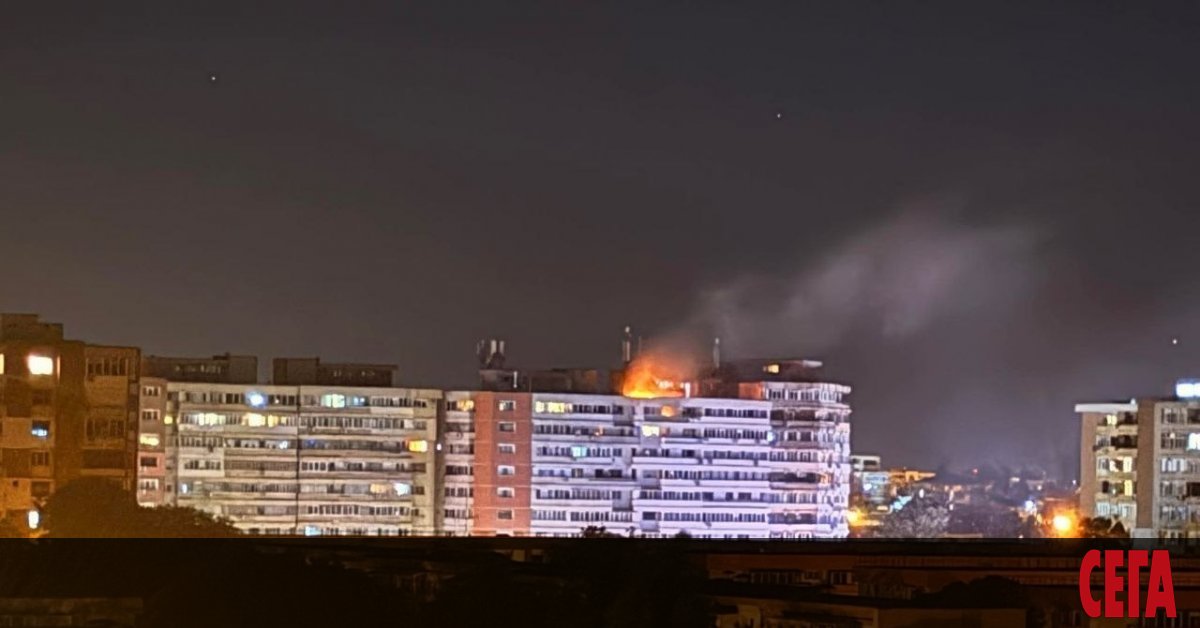
The night of May 28 to 29 marked a significant security breach for NATO when a Russian drone penetrated Romanian airspace. The unmanned aerial vehicle, identified as part of an attack against Ukraine, crashed and exploded on the roof of a residential building in Galați. This incident resulted in the first instance of Romanian citizens requiring medical assistance due to such a strike, causing a fire, material damage and the emergency evacuation of the building.
Following the report by Romanian Foreign Minister Oana Țoiu to the UN Security Council, 56 nations condemned Russia’s actions. The event has prompted a broader debate regarding the vulnerability of European airspace to modern drone warfare, despite the continent’s proximity to the ongoing conflict for over four years.
Security Implications for the Eastern Flank
The incident in Galați has intensified calls for increased defensive measures. Romania requested the activation of Article 4 of the North Atlantic Treaty, highlighting the difficulty of intercepting low-flying drones that often remain invisible to traditional radar systems. Romanian authorities noted that while the drone was tracked by radar and shadowed by F-16 jets, it descended to an altitude that made interception technically hazardous to civilian areas.
In response, NATO allies have begun shifting resources. Spain is deploying two HN90 helicopters, and Italy is moving to reinforce its contingent at the Mihail Kogălniceanu airbase. These measures are intended to bolster training for Romanian forces, though the operational window for these reinforcements remains limited.
Strategic Challenges and Future Outlook
The incident has sparked concerns regarding the reliability of NATO’s security guarantees in the eyes of the public. With officials acknowledging that defensive responses are limited by current equipment levels, the focus has shifted toward a transition from “strong presence” to “intelligent presence”—a more adaptive model of military cooperation.
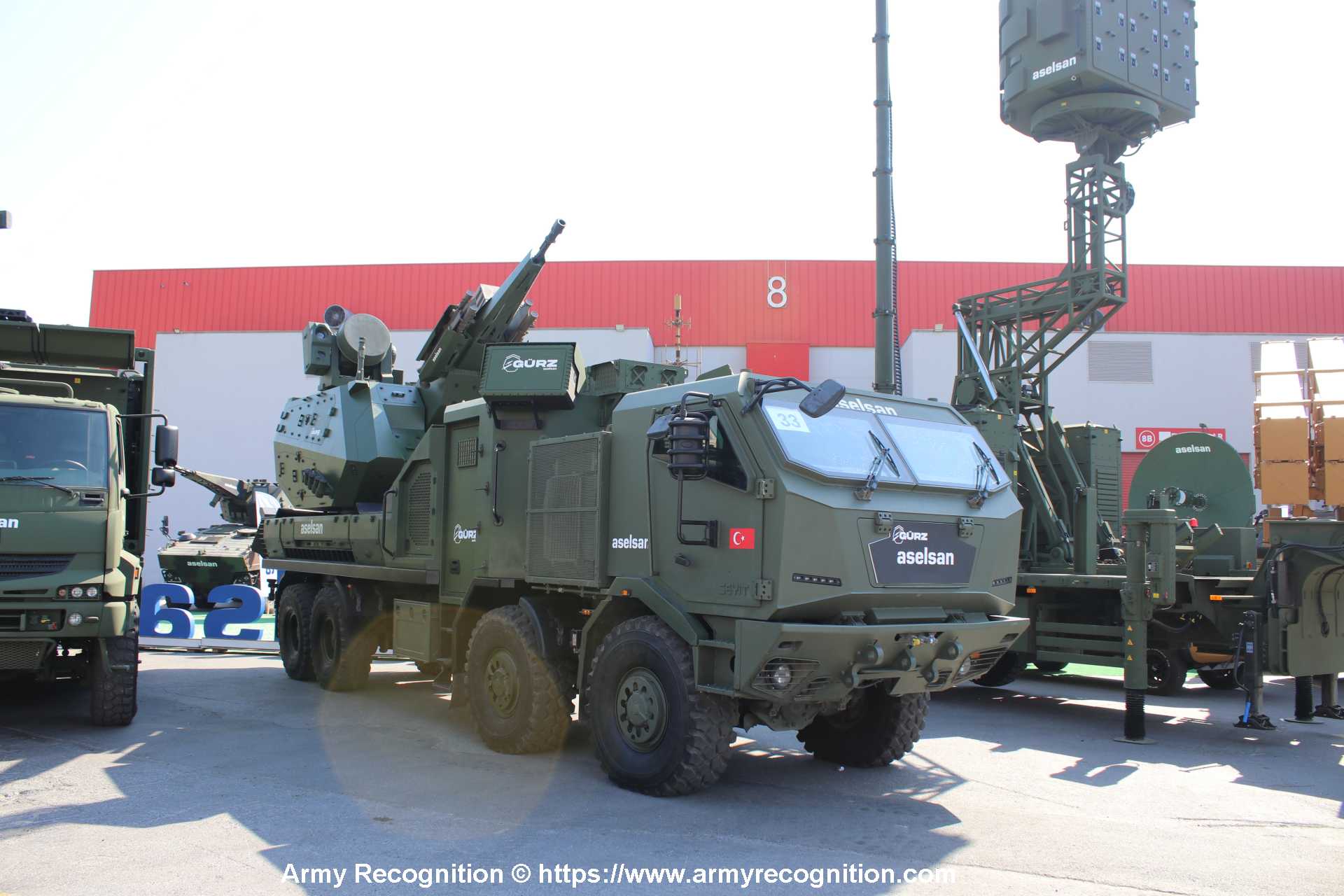
Looking ahead, analysts suggest that the pressure on the Eastern Flank is likely to remain high. If the frequency of drone incursions continues, member states may be forced to accelerate the deployment of dedicated anti-drone technologies. Potential scenarios include a more integrated regional air defence network, although the effectiveness of such measures depends on the acquisition of modern radar and interception systems capable of handling mass drone swarms, which remain a significant technological hurdle.
Frequently Asked Questions
What was the immediate outcome of the drone crash in Galați?
The crash caused a fire, material damage to a residential building, and the evacuation of residents. A woman and her 14-year-old child were injured and required medical attention.
How have Russian officials responded to the incident?
President Vladimir Putin claimed there was insufficient evidence that the drone was Russian. Conversely, Dmitry Medvedev suggested that the incident was merely the beginning for European countries.
Why is it difficult for NATO members to intercept these drones?
Modern strike drones often fly at very low altitudes, making them difficult to detect with traditional radar. Military officials have noted that attempting to shoot down these drones in populated areas could cause greater damage than the drones themselves.
As the security landscape in Eastern Europe continues to evolve, what measures should be prioritized to ensure the safety of citizens living near conflict-adjacent borders?